-
ICE agents swept through New Bedford, Dartmouth, and Fall River starting September 22, detaining at least 34 people by Thursday — the largest enforcement surge in the region since a 2007 factory raid.
- Agents hit grocery store parking lots, gas stations, and fish-processing docks, with no apparent target list; Mayor Jon Mitchell said none of those detained showed criminal records beyond traffic violations, and local police received no advance notice.
-
One week before the sweep, ICE quietly removed thousands of detainees from its public locator system, blocking families and attorneys from confirming where arrested loved ones are being held.
Over five days, federal immigration agents swept through gas stations, supermarket parking lots, and fish-processing docks across New Bedford, Dartmouth, and Fall River, Massachusetts — detaining at least 34 people in the largest enforcement surge to hit the state's South Coast since a 2007 factory raid swept up 361 workers in a single day.

The operation landed the same week ICE quietly erased thousands of detainees from its only public tracking tool, leaving families across the region with no way to learn where their relatives were being held.
Agents Used the Dartmouth Mall as a Staging Area, Then Fanned Across the Region
The enforcement surge began in New Bedford and Dartmouth on Monday, September 22, before spreading to Fall River and Taunton late Tuesday and into Wednesday. What followed was unlike any previous targeted worksite operation: agents moved in teams, hitting multiple locations simultaneously throughout the day.
Adrian Ventura, co-founder and executive director of the nonprofit Centro Comunitario de Trabajadores, said ICE agents were spotted on Route 140, at Price Rite, Market Basket, two Cumberland Farms locations, in front of restaurants, and near churches and schools. Multiple reports placed federal immigration vehicles at the Dartmouth Mall, which appeared to serve as a staging point for the operation.
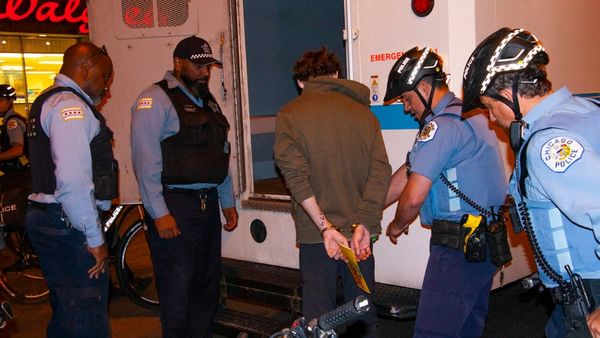
Agents wearing tactical gear marked "POLICE" and "ERO" handcuffed individuals and placed them in vehicles. The New Bedford Light documented one arrest mid-morning on MacArthur Drive near waterfront fish houses; another person was stopped alongside a family member on Purchase Street.
A 20-Year-Old Fish Worker, a Father With a Newborn, and an 8-Year-Old Waiting at School
The human toll follows a pattern that immigration advocates say is now standard across ICE operations in smaller American cities.
Attorneys and advocates described a father whose 8-year-old son waited at school to be picked up, a parent with a one-month-old child at home, and workers heading to fish-processing plants on New Bedford Harbor who were intercepted before they reached their shifts. Gov. Maura Healey said many of those detained had lived in Massachusetts for years and were simply on their way to work.
One named detainee, 20-year-old Joselito Mateo Sam, was taken into custody while walking down the street, according to court filings reviewed by The Boston Globe. Probate court records describe him entering the country as an 18-year-old in 2024; he subsequently moved in with two uncles in New Bedford and began working at a fish house.
Four of the detainees were confirmed by Centro Comunitario de Trabajadores to have worked in the seafood industry — a sector that has long been the economic backbone of New Bedford. Three brothers were among those arrested Monday, all detained in a Market Basket parking lot while on a grocery run, according to GBH News.
Racial Profiling Allegations, No Criminal Records — and No Warning to Local Police
Immigration attorney Ondine Sniffin told Boston.com that agents did not appear to be working from specific target lists. Instead, she said, agents were racially profiling people found in work vans, standing on street corners, or simply presenting with darker complexions.
New Bedford Mayor Jon Mitchell — a former federal criminal prosecutor — said there was "no indication" that any of those detained had any criminal record beyond motor vehicle infractions, and that ICE had failed to notify his city's police department about its operations — a lapse he said put arriving officers at risk. New Bedford Police Chief Jason Thody confirmed his department received no advance information about locations, targets, or enforcement plans.
Gov. Healey publicly demanded that ICE disclose who was arrested and why, calling the raids another example of enforcement she said repeatedly sweeps up people who pose no public safety threat. For its part, ICE issued only a brief generic statement saying its Boston office "routinely conducts operations across New England" and declined to share any details about the operation's scope or targets.
Fall River Mayor Paul Coogan confirmed Thursday that two students may be among those detained, and said he was working to verify their ages.
The Invisible Wall: ICE's New Blackout Makes Detainees Unreachable
What made this week's sweep especially disorienting for South Coast families was a policy change that took effect one week earlier. Beginning September 15, according to an Associated Press investigation sourced to three current and former ICE officials, the agency quietly stopped listing detainees with final orders of removal on its Online Detainee Locator System. A parallel Washington Post report found that ICE officers were also instructed to stop disclosing the location of those individuals to attorneys and family members.
ICE launched the Online Detainee Locator System in July 2010 specifically so families and lawyers would not have to call regional field offices to find someone in custody. That 16-year-old civil detention reform tool was now effectively shut off for the most vulnerable population — those already facing deportation orders — at the precise moment the agency ramped up arrests.
The practical consequence for attorneys is severe: habeas corpus petitions challenging a detention must be filed in the specific federal district where the detainee is physically held. If attorneys cannot confirm a client's location, they cannot file. Immigration attorneys working the Habeas Project, a statewide legal collaboration run in partnership with the Massachusetts Law Reform Institute, moved quickly to file emergency federal court petitions, pairing detainees with volunteer attorneys in a race against deportation timelines. Two of those petitions, filed on behalf of New Bedford residents, confirmed that neither man could be found in the ICE locator system — not by family, and not by their own lawyers.
What Families Should Do If a Loved One Goes Missing After an ICE Encounter
For Latino families across New Bedford, Fall River, and the broader South Coast, immigration attorneys outlined immediate steps:
- Do not open the door unless agents present a judicial warrant signed by a judge. An administrative ICE warrant does not compel entry into a home.
- Remain silent beyond providing your name. The right against self-incrimination applies to everyone regardless of immigration status.
- Contact an immigration attorney immediately and reach a local legal aid organization such as the Massachusetts Law Reform Institute or the LUCE Immigrant Justice Network.
- Call 1-800-DETAINEE (ICE's public hotline) — though advocates warn this line has become less reliable since the Sept. 15 locator blackout.
- File a habeas petition through federal court if the detainee cannot be located within 24 hours. This is currently the primary legal mechanism available to confirm where someone is being held.