You’ll never catch me opting for a fast f/1.8 prime with stellar subject separation if I can get the same focal length in a zoom lens – even if it means sacrificing a stop of aperture, or even two, at the telephoto end.
But guess what? I don’t care. As someone who, more often than not, finds himself taking pictures of rugged landscapes and adventurous outdoor activities, the last thing I want is a backpack full of different lenses that I need to constantly change to get the shot.

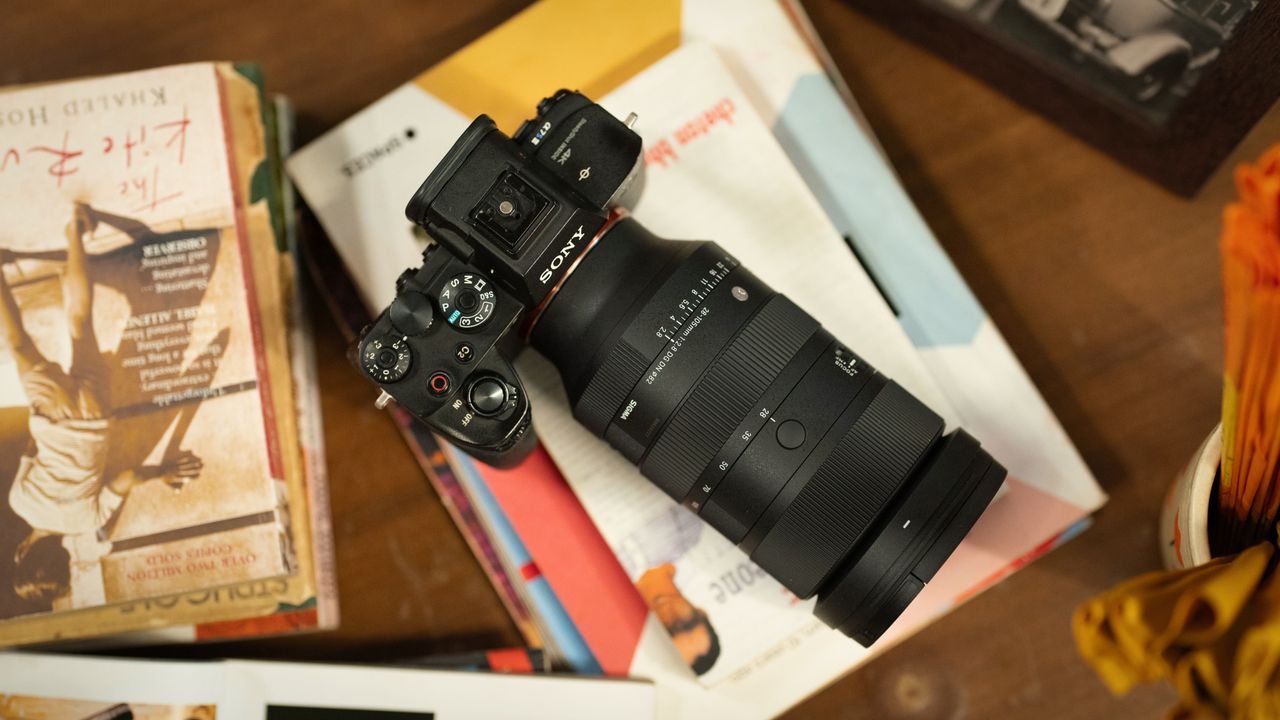
For example, as an Alpha shooter, why would I opt for a trio of Sony 35mm f/1.4, 85mm f/1.8, and 135mm f/1.8 G Master (or cheaper alternative) primes when I can get a 24-105mm f/4 G Master zoom lens – or even better in terms of aperture, a Sigma 28-105mm f/2.8?
It just doesn't make sense to me to lug around all this kit when the only real benefit is the wider maximum apertures, especially when you can now easily add in a stop or two of blur in post-production while retaining a natural feel to the image.
The counterargument, of course, is that there are different courses for different horses.
I also know it can be hard to undo the whole idea around “fast primes with creamy bokeh” being the best lenses for portraits, which camera manufacturers have drummed into us over the years – no doubt hoping we’ll part ways with more cash for more gear we probably don’t need.
But I still don’t care. Even if the zoom I opt for costs a few hundred bucks more than a set of individual primes combined, I’ll happily take it – knowing that I only need to use my legs to get a bit of extra wide-angle view or telephoto zoom, not change my lens altogether and risk missing the shot.
You might also like…
Here’s our pick of the best telephoto lenses and also our selection of the best cheap prime lenses – perhaps you disagree with my take and prefer fixed focal lengths with more generous aperture ranges.