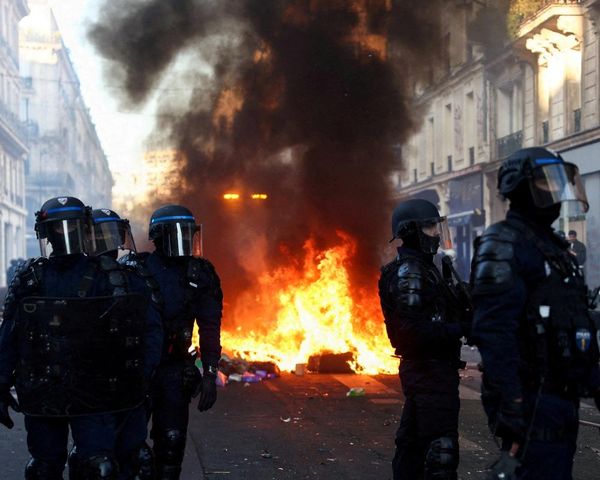
I spent most of the school holidays of my childhood at my father’s office in Beirut. While other children were at the beach or the mountains, I was watching a man run his businesses through one of the longest civil wars of the 20th century.
My father did not stop working when our city was being shelled. He did not stop paying his people when the banks were closed. He did not stop honoring his commitments when the contracts were technically unenforceable. He went to work and took me with him. I saw him every morning take stock of what was still standing: which suppliers were operating, which customers were reachable, which assumptions from the previous week still held. He would make each day’s decisions on the basis of that fresh assessment rather than on plans that had already been overtaken.