
Get all your news in one place.
100’s of premium titles.
One app.
Start reading
Homes & Gardens
Homes & Gardens
Rachel Bull

I’ve Been Gardening for Almost Two Decades, but the Biggest Mistakes I Made in the Yard This Year Were Rookie Errors – Why I Won’t Be Repeating Them in 2026

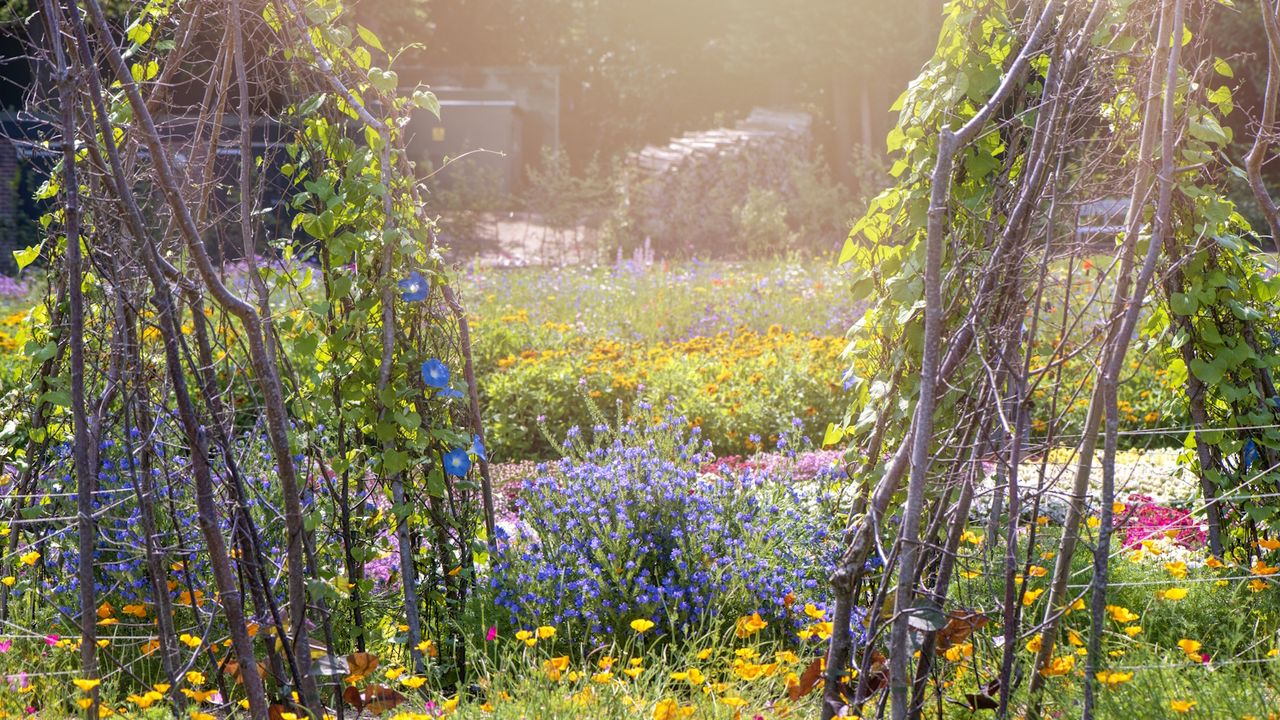
Wigwam shaped Pea and Bean stick trellis/supports in vegetable kitchen garden.

When things work in the backyard it's great, isn't it? The seeds all germinate; flowers bloom where you want them to; veggies grow and are delicious. It's wonderous. Granted, I enjoy these things immensely when they happen, but I can honestly say I don't think I've ever learnt very much from my gardening successes.

It's the things that go wrong that really count. That's where all the lesson learning lies and how you really come to understand what grows in your soil, when to pinch out your dahlias, and why your broccoli plants became infested with cabbage worms (my worst vegetable gardening mistake of the year).

In wintertime I will often scroll back through photos of the garden – usually to reassure myself of how beautiful the cut flower beds looked and that they will return in the spring – and doing so always brings back memories of things that didn't go to plan. Here I reveal my top five gardening mistakes of 2025, and how I will (hopefully) not be repeating them next year.

1. Not Netting the Brassicas Early Enough

(Image credit: Getty Images/Photos by R A Kearton )

A rookie error if ever there was one. How did she forget to net the broccoli, I hear you cry!

As with many of my growing errors, this was a simple timing issue. I planted the seedlings out when they were very small and protected them from slugs with a lot of crushed eggshells.

In truth, I wasn't holding out much hope for them, as despite germinating quickly the seedlings weren't putting on any top growth. So I left them to it. As luck would have it we had a wonderful spell of warmth in late spring, which set them on their way.

I was probably spending too much time on my sweet peas at this point in the calendar year to remember to pay the broccoli much attention, and before I knew it every single plant was covered in cabbage worms and clusters of white eggs – one of the worst pests that can destroy plants in the vegetable garden.

Thankfully, there are many ways you can keep caterpillars out of vegetable gardens, and next year I shall be netting the entire raised bed using stakes and thin mesh net; this set from Amazon is exactly the kind of thing that will do the job.

I've also looked into the best things to plant with broccoli to deter pests, and I've put some rosemary around the perimeter of the raised bed to try and help to ward off the cabbage whites next year.

2. Planting Annuals Too Close Together

(Image credit: blickwinkel via Alamy)

It hurts a little bit to admit this one. I've grown cut flowers for six years, and I am more than aware that, given the right care and conditions, every tiny seedling has the potential to grow into a very large plant.

And every year I think I can just squeeze one or two more into a space to get even more flowers. I did it again this year with the cosmos.

Part of me can't help it because I love them so much, so I always sow far too many seeds. And, as any grower knows, they germinate and grow very fast. This year I was obsessed with pale lemon and apricot lemonade cosmos varieties, and as a result I planted far too many of them in one of the cutting beds.

By mid-summer they started to swamp the sweet peas, and practically suffocated the nigella, but they did look fabulous, and were the last things to fade – blooming all the way into mid-November. I think it might have been a mistake worth making, but it was at the expense at some of my other annuals.

You can find my fave apricot lemonade cosmos seeds at Amazon.

3. Causing a Drainage Issue By Over-clearing

(Image credit: Botany vision / Alamy Stock Photo)

Sometimes you have the best of intentions, only to find that a task you thought would benefit part of the garden leads to another problem.

I spent a while in the spring clearing a fairly large, well established bed close to the house, which had become a bit of a mess. It featured lots of ancient roses, clumps of hypericum, a lot of self-seeded Alchemilla mollis, and a large, unruly red twig dogwood.

I decided to start this bed afresh. My plan was to clear it completely, and then fill with whimsical perennials and ornamental grasses. I took lots of dogwood cuttings to place elsewhere in the garden, then set about realising my plan.

All was going fine, until we were hit with heavy and persistent rainfall in early summer and large amounts of surface water began to appear in and around the bed and on the lawn. Only then did I realise that the red twig dogwood had been planted there for a very good reason; to aid drainage. I have heavy clay soil in my backyard and the ground can become very waterlogged and boggy in periods of heavy rainfall.

Alas, by taking out the dogwood I had unwittingly created a big drainage problem right in the middle of the garden.

To help mitigate the situation, I planted two beautiful flamingo willow trees Salix integra 'Hakuro-nishiki'. They are dwarf trees, but are still ideal as a natural way to aid garden drainage. You can find flamingo willow cuttings to grow on from Walmart.

4. Neglecting to Support a Leaning Tree

(Image credit: Getty Images/Nazli Ph / 500px)

When we inherited our garden three years ago, I was beyond excited to find two mature snowball viburnum trees – and one right outside the back patio.

With its white floral spheres in May, and rusty red foliage in October, it is one of my favorite shrubs.

I noticed that the one close to the patio had begun to lean quite heavily towards the house. It was very top heavy, so I made a note to purchase a large wooden stake, just like this tree crutch from Amazon, to support it.

As is often the case, life got in the way, and I didn't get to the task in time before gravity and high winds got the better of it.

I was really sad to lose it, but did manage to take some softwood plant cuttings, and have since propagated from the remaining tree, too.

5. Allowing the Tomato Plants to Grow Wild

(Image credit: Matthew Taylor/Alamy Stock Photo)

Yet again, it is one of those mistakes that left me somewhat incredulous that I'd let it happen, but I allowed my home-grown tomato plants to grow wild.

I have grown tomatoes for years, and in the past have always done so in large pots or grow bags. This year, I put eight plants, all different varieties, into a raised bed, which also had bell peppers and herbs growing within it.

I am usually meticulous at pinching out the side shoots, or growing tips, on tomatoes. It's a wonderful morning ritual I enjoy in spring, pinching off those tips by hand. All was going well, until we went on a 10-day summer vacation, during which time we had an intense heat wave. My trusty neighbor was helping to water whilst I was away, but that was where the maintenance ended.

I came home to an unruly patch of tomato vines, which despite having a lot of fruit on them, were really difficult to untangle. Even after a period of pruning my plants still were not looking neat, and despite staking them all, they became almost impossible to control from this point. Clearly the fertilizing I had done in spring made a difference!

Next year, it's likely I'll grow my tomatoes in pots, and will also plan to use the string method to make sure I keep these wonderful plants under control.

I will always maintain how important mistakes and failures are in learning how to grow our gardens. No doubt I will set out with big plans and the best of intentions, however, I look forward to reporting what went wrong with my backyard ideas in 2026 this time next year.

Sign up to read this article
Read news from 100’s of titles, curated specifically for you.
Already a member? Sign in here
Related Stories
Top stories on inkl right now
One subscription that gives you access to news from hundreds of sites
Already a member? Sign in here
Our Picks
Fourteen days free
Download the app
One app. One membership.
100+ trusted global sources.