I’ve used ChatGPT to assist me in my spring cleaning obligations, took Gemini’s Canvas features for a spin to build an itinerary for a dream vacation, and referred to Perplexity when I needed a new list of books to keep me occupied. Through those processes, I’ve found myself improving at prompting to get the most out of every chatbot I converse with.
Simple prompts designated as one-offs that’ll never be used again have now been discarded. Now, I rely on reusable prompts that help my AI assistant produce the answers I’m looking for.
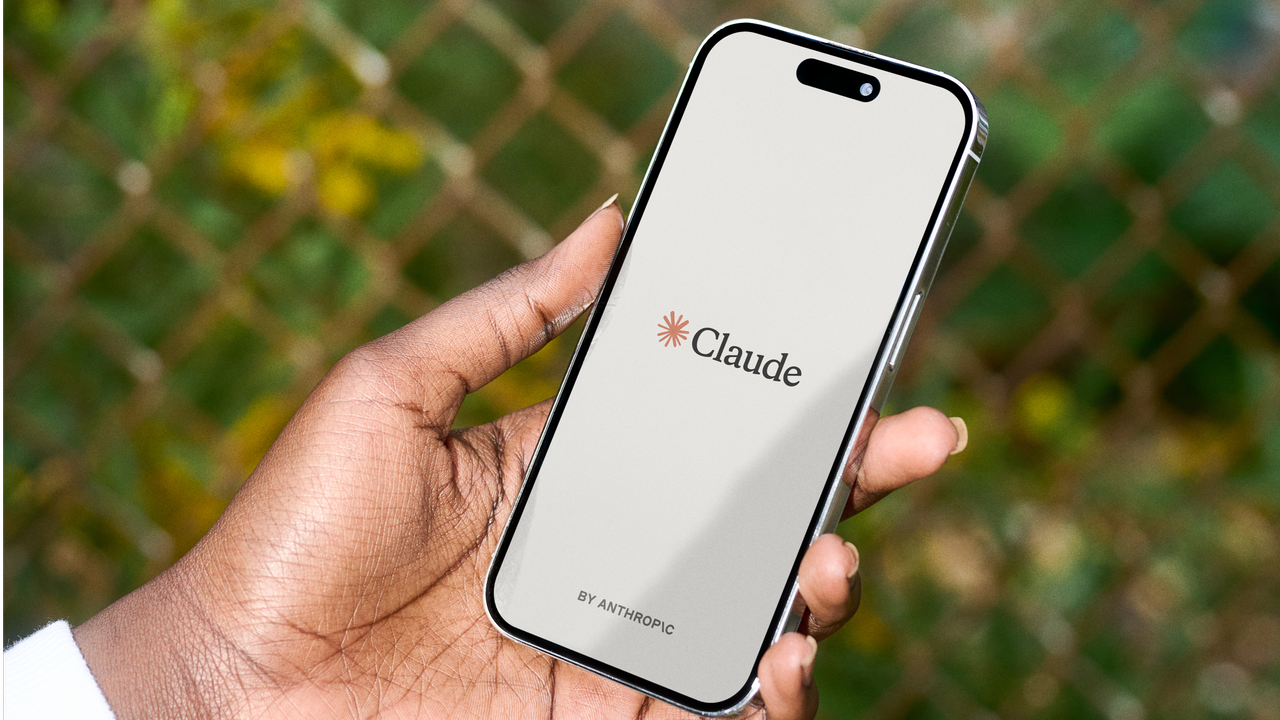
I started spending more time with Claude to see how it measures up to the rest of the chatbots I frequently use. My testing has led me to find a collection of thinking prompts that shape how Claude thinks and build a framework that can be reused across a wealth of topics I can think of at a moment’s notice.
These are the three "deep dive" prompts I use for complicated topics
I realize I don’t have a genius-level intellect when trying to decipher some of the intricate details surrounding complex topics.
If you come to me asking about the ins and outs of Nvidia’s DLSS 5, the MacBook Neo, or even how to buy the cheapest Broadway tickets, prepare to be treated by me producing far too many “umms…” and “ahhs…” Don’t get me wrong—I do my Google’s on those subjects and anything else I want a thorough overview on. With Claude, there are three thinking prompts that I always come back to whenever I need something made clear for me:
- Explain this like I'm a beginner, then explain it like I'm an expert. Where do the two versions disagree?
- Break this down, then explain why it matters in the real world, who it impacts most, and what positive or negative effects it has on people
- Act as a college professor. Break down this topic into a structured course with core concepts, key terminology, and common misconceptions
That first prompt does an amazing job of comparing and contrasting the most important points of a topic from a beginner's and an expert’s point of view, which always helps me see where their biggest points clash.
The second prompt helps me delve into subjects that have a major impact on the real world and the positive & negative effects that it has on the average person. And the third prompt turns Claude into one of my old university instructors whenever I need it to explain a talking point, as if I were sitting at the front of the class.
With these three prompts in the tuck, I always have a way to ask Claude to clarify everything my curious mind comes up with.
These prompts support my writing

I wake up, sit in front of a laptop and type like a madman to fulfill my daily duties as a professional writer. Once I’m finished cooking up a first draft of something, I use three pairs of eyes to look it over before it’s turned into something more refined: mine, the eyes of my lead editor, and those of a chatbot like Claude (does AI have eyes?).
Whenever I’m reverting to Claude to see what it thinks about my latest written piece?
- Act as a tough but fair editor. Critique the following text and focus on clarity, structure, tone, and originality. What should be cut or rewritten?
- What am I assuming my reader already knows — and is that assumption safe?
- What's the single weakest sentence or claim here, and how would you rewrite it?
These prompts help measure the impact of a choice I’m about to make
I’m quick to ask someone what to do once I’m wracking my brain over what I should do when considering multiple options.
I’ve sat in complete silence while contemplating which theme park Halloween event I should attend, my best friends & parents have helped me choose the best activity and destination to attend on a first date, and I’ve spoken to fellow tech heads to decide which laptop is right for me. I certainly need everyone’s opinion on choosing the best place to stay (that’s halfway affordable, by the way!) in New York.
These “this or that” scenarios become a lot easier thanks to human input on my future decisions, plus these thinking prompts push Claude to lead me in the right direction:
- Help me decide between [option A] vs. [option B]. Evaluate both options based on their best-case scenario, worst- case scenario, and most likely outcome
- If I made this decision and it went badly, what's the most likely reason it failed?
- Imagine I made this decision. What would my future self thank me for? What would they regret? And what did I underestimate about this decision?
- Simulate a panel of experts on this decision as a strategist, risk analyst, optimist, and skeptic. Make sure each of them gives their perspective on my decision. Then give me a final recommendation
Always keep in mind that you shouldn’t rely on a chatbot to help you make a life-changing decision. But it’s still worth inputting your options to see what Claude deems as the most beneficial one.
The takeaway
When the time came to throw all my reusable prompts into a digital bag for Claude, I always stuck to the ones that elicited the most thoughtful responses.
And as far as proper follow-ups go, these two always tend to improve those answers even more: “Be specific, avoid giving me generic advice, and show your reasoning” and “Push beyond the most obvious answers and include insights I wouldn’t immediately think of.” TGive these a try and let me know what you think in the comments.