
As someone with recurrent nighttime anxiety, I often find myself wide awake at 3 a.m., heart hammering in my chest and staring at the ceiling. Experts refer to this type of sleep disturbance as 'middle insomnia' – the most common type of insomnia and one characterised by waking up in the middle of the night.
As a sleep editor, I've interviewed neuroscientists, chartered psychologists and doctors for their expert sleep advice. And there's one tip in particular that always gets mentioned: if you want to sleep better and not wake up so much through the night, go to bed and wake up at the same time each day.
The 7:1 sleep rule, which involves getting at least seven hours sleep a night and going to bed within the same one-hour window at least five nights a week, is an expert-recommended way to reduce 3 a.m. wake-ups. After putting it to the test over the course of a week, my nighttime awakenings have eased off. Here's why....
Key take-aways: At a glance
- The 7:1 sleep rule recommends getting at least seven hours of sleep a night, and going to bed within the same one-hour window at least five days per week.
- A consistent sleep schedule helps prevent waking up at 3 a.m. in three specific ways: it regulates your circadian rhythm (so your body knows when to release melatonin , a sleep hormone), it regulates your sleep pressure (so you feel drowsy at the right time), and reduces how much you wake-up through the night.
- A consistent sleep schedule is one of the best ways to manage insomnia.
What is the '7:1 sleep rule'?
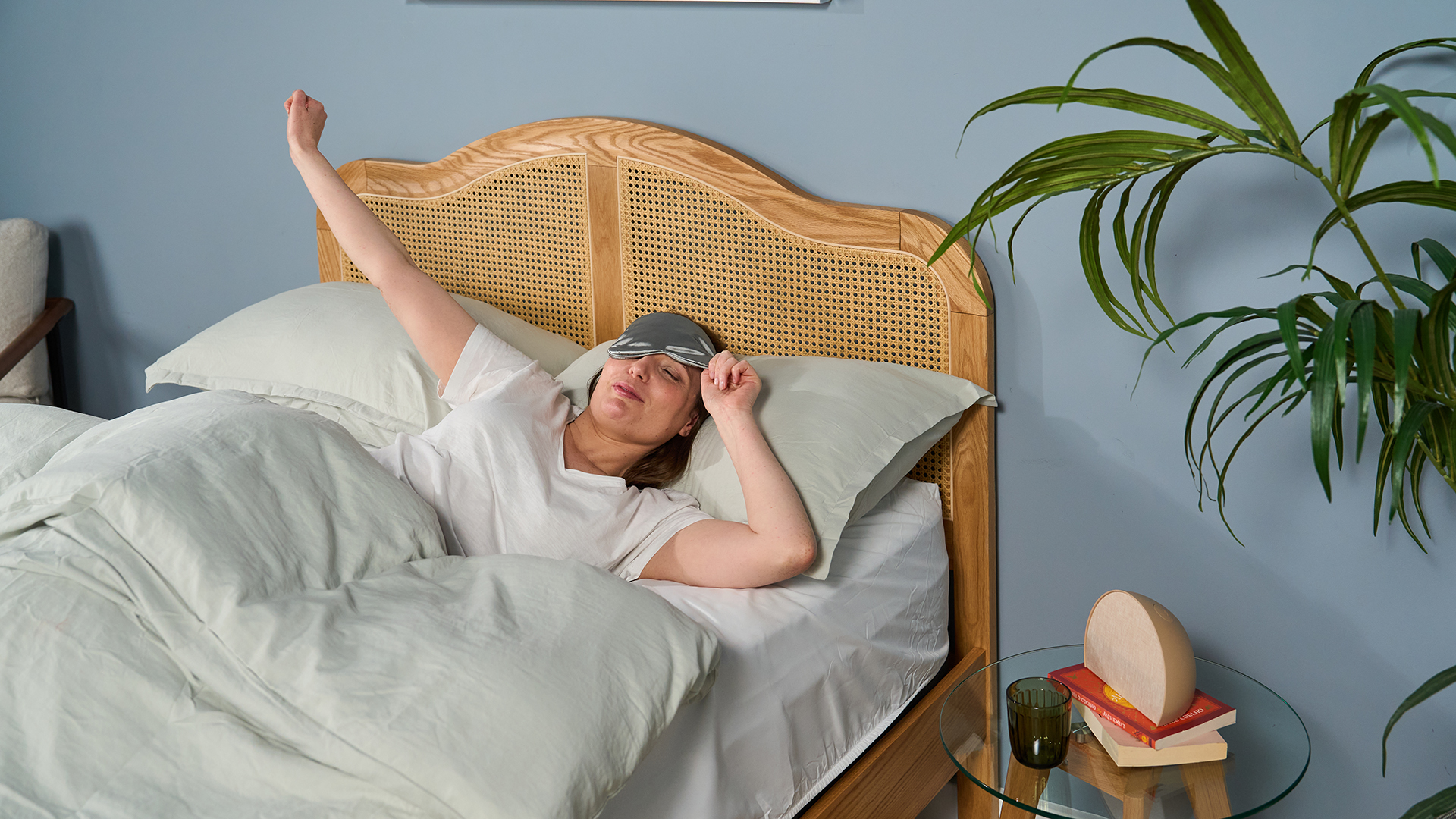
The 7:1 sleep rule describes the practice of achieving a minimum of seven hours of sleep per night and going to bed within the same one-hour window.
'Avoid spending longer in bed trying to catch up on sleep, as this disrupts your natural sleep rhythms further'
Dr. Allie Hare, Consultant of Sleep Medicine
It was coined by researchers from Vitality and The London School of Economics and Political Science (LSE)as part of their groundbreaking study that explored how following this sleep hygiene rule for at least five nights per week could help you live up to four years longer.
From analyzing the data from the wearable devices of 105,000 individuals, equating to 47 million nights of sleep data, researchers were able to determine that — instead of focusing solely on total sleep duration — adhering to the 7:1 sleep rule could increase your life expectancy by 24%.

As well as improved health outcomes, sleep experts urge those with middle insomnia and prone to waking up at 3 a.m. to adhere to a regular sleep schedule — even after a night of broken rest — in order to prevent further wake-ups.
"You should absolutely continue to keep a regular bedtime and wake up schedule and avoid spending longer in bed trying to catch up on sleep, as this simply disrupts your natural sleep rhythms further,” says Dr. Allie Hare, Consultant of Sleep Medicine at the Royal Brompton Hospital, London.
How a consistent sleep schedule can prevent 3 a.m. wake-ups
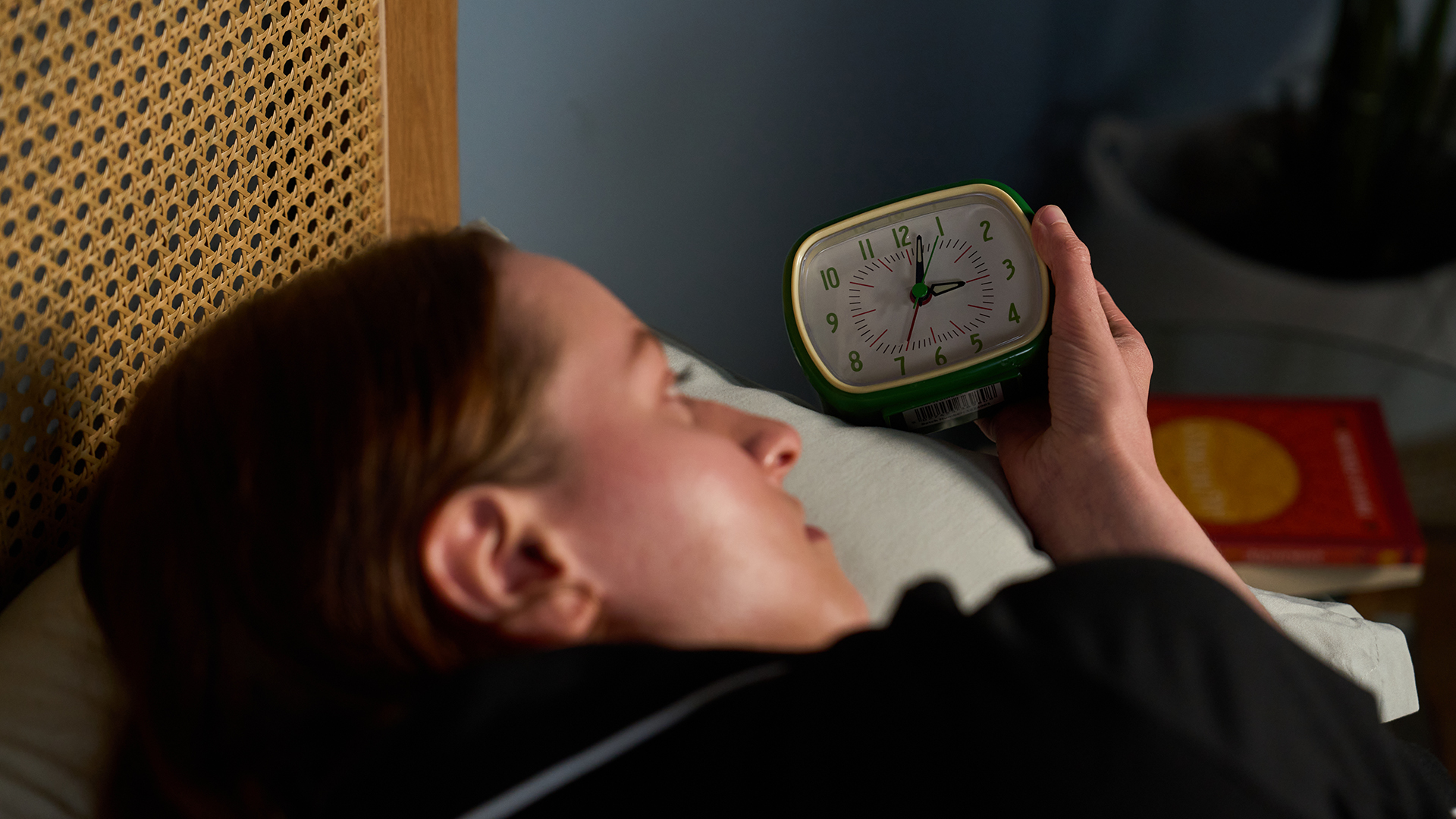
Experts agree that a consistent sleep schedule is one of the most impactful ways to improve your overall sleep quality.
'Most people focus on bedtime, but your wake-up time is what really sets your body's internal clock'
Dr. Jessica Meers, Licensed Clinical Psychologist
"If there's one thing you can do tonight to improve your sleep, it's to choose a consistent wake-up time and stick to it, even after a rough night's sleep," explains Dr. Jessica Meers, a Licensed Clinical Psychologist at Rhythm Wellness.
"Most people focus on bedtime, but your wake-up time is what really sets your body's internal clock.
"Once that anchor is in place, falling asleep, staying asleep, and feeling rested tend to become much easier over time."
As well as benefiting your overall sleep quality, a regular sleep schedule can prevent 3 a.m. wake-ups. Here's how...
1. Consistent sleep regulates your circadian rhythm
Your circadian rhythm is your body's internal body clock. Along with other bodily functions, including digestion and temperature, your circadian rhythm helps regulate your sleep and wake cycles.
This is done through the production of key sleep hormones at optimal times in order to help you nod off and wake up, such as melatonin and cortisol. When you go to bed within the same one-hour window, as per the 7:1 rule, you begin to train your body to release these hormones at the same time within a 24 hour period.
As well as helping you fall asleep faster, this regulation of the your sleep hormones help you wake at the right time, too. So, although cortisol levels begin to rise naturally at 3-4 a.m., a regulated circadian rhythm will prevent a cortisol spike at this time that could wake you from your slumber.

2. It reduces sleep fragmentation
A healthy adult goes through four to six sleep cycles within a night, with each sleep cycle lasting between 90 to 110 minutes.
However, sleep fragmentation, which is a term to describe brief interruptions in your sleep, prevent you from cycling through a complete restorative sleep stage. This can leave you feeling groggy and unrested come morning.
Sleep fragmentation can occur due to internal or external factors, including an uncomfortable mattress to a bedroom that's too hot.
However, we're more susceptible to awakenings around the 3 a.m. mark, which is when we typically spend more time in light and REM sleep (and those stages are easier to disrupt than deep sleep, which we spend more time in earlier ).
When we stick to a regular sleep schedule, we're essentially training our bodies to expect rest within this vulnerable sleep window, resist disturbances caused by hormonal fluctuations and transition smoothly between each sleep stage. (It won't help you stay asleep if the problem is a lumpy pillow, though),
3. Consistent sleep regulates sleep pressure

Again, this all comes down to consistency oiling the wheels of your body's ability to stay asleep. Sleep pressure, sleep drive or sleep hunger is a term to describe how ready you are for sleep.
Its official term is adenosine and is a chemical that begins building in your brain from the moment you wake up. Your sleep pressure, adenosine, reaches its crescendo the moment you go to sleep, before naturally beginning to drop as you clock up more rest.
In the past, whenever I've had a poor night's sleep, I tend to crave an early night the following evening so that I can catch up on lost rest.
However, this can wreak havoc on your sleep pressure. Going to bed early, especially if you've already had a bit of a lie in, means you haven't given yourself enough time to build enough sleep pressure.
Instead, a consistent bed and wake time gives you enough time for sleep pressure to build, which helps you to both fall and stay asleep all night.
Other tried and tested methods for reducing 3 a.m. wake-ups

When nighttime anxiety is the cause of your 3 a.m. wake-ups, a consistent sleep schedule can help — but it's not a silver bullet.
To give myself a fighting chance of sleeping through the night every night, these are the other tried and tested methods I rely on:
- I schedule 'worry time' before getting into bed: Offloading the things I'm worried about into a journal helps calm my nervous system before getting into bed (make sure you do this in a separate room to the one you sleep in to build an association with your bedroom and sleep).
- Practice relaxation techniques: Whether I'm trying to go to sleep or I've woken up in the middle of the night, the cognitive shuffling method, a visualisation technique of random objects, helps empty my mind of racing thoughts. To practice it, think of a word and spell out as many objects as you can beginning with each letter.
- Optimize my bedroom for sleep: In order to stay asleep, I know I need to rid my bedroom of anything that can wake me up. That means making sure I'm sleeping on the best mattress for me, my bedroom is cool, dark, quiet and clutter free.
- Practice the 15 minute sleep rule : In the event that I do wake up at 3 a.m., the advice from experts is clear — get up and leave the room and do something relaxing. This prevents creating a negative association with your bed and bedroom.
9 products we've tried and loved for better sleep