If you had fun with Nano Banana, hang on to your phones, because I think this is going to be the next new trend. Google is turning Gemini into a creative studio once again, but this time it's letting you make music.
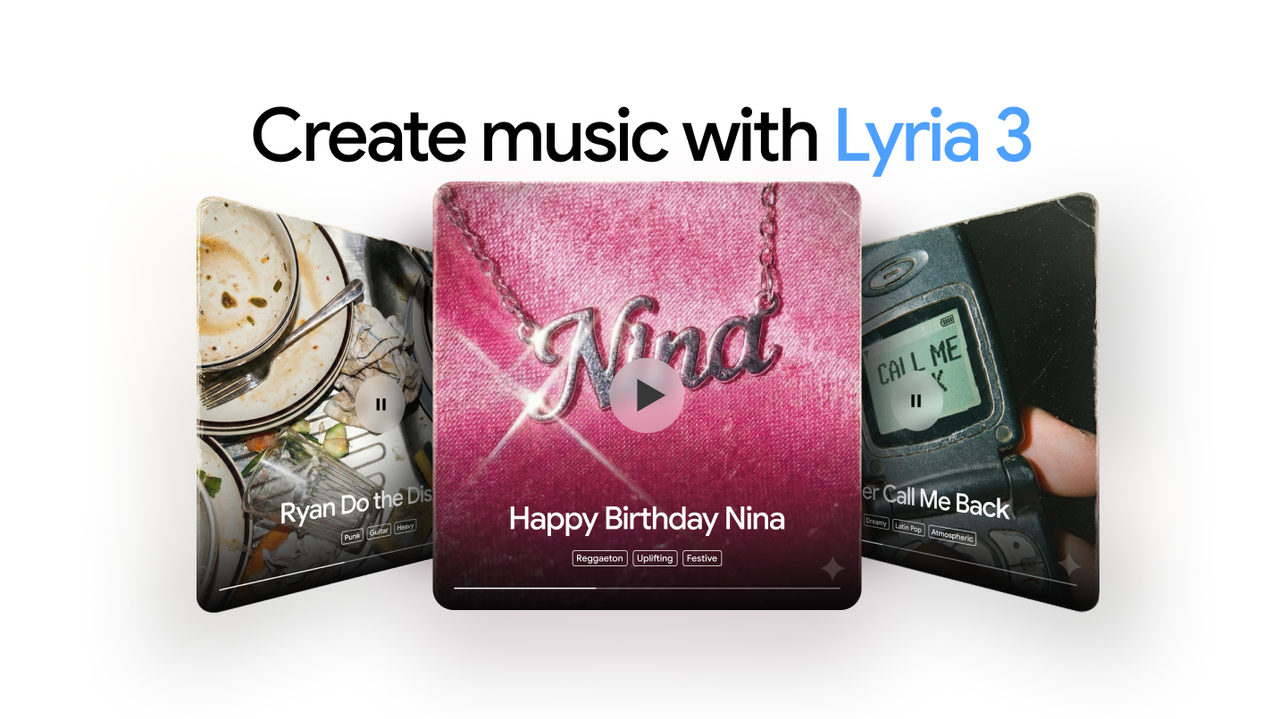
Starting today, the Gemini app is rolling out Lyria 3, its most advanced music generation model yet, allowing users to create 30-second songs from a simple text prompt or even a photo.
The feature lets anyone produce short tracks complete with vocals, lyrics and cover art in seconds — I've already played around with it and can honestly say it's a ton of fun. Just note that it's still in beta and may have a few hiccups. Here's how it works.

How Gemini’s AI music generator works
The move expands Gemini’s creative toolkit beyond images and video and signals Google’s growing push into AI-powered creative expression.
With Lyria 3, users can describe an idea — or upload an image — and Gemini generates a fully produced track to match.
For example, I've already created:
- A comical punk rock song for my husband's to-do list
- An upbeat pop song to pump my son up for his soccer game
- A fun day-in-the-life mom anthem
Gemini then produces a 30-second track, complete with lyrics and AI-generated cover art created using Google’s Nano Banana image model. Tracks can be downloaded or shared via a link, making them easy to send to friends or post on social media. I sent my husband's "to do list" song via text message.
Google says the goal isn’t to produce polished commercial songs, but to offer a fun, expressive way to add a custom soundtrack to everyday moments.
How to try it

Music generation with Lyria 3 is rolling out today on desktop and will arrive on mobile over the next few days. The feature is available to users 18 and older in multiple languages, including English, Spanish, French, German, Hindi, Japanese, Korean and Portuguese.
Google AI Plus, Pro and Ultra subscribers will receive higher generation limits.
The model is also being integrated into YouTube’s Dream Track, where it can help creators generate customized soundtracks for Shorts.
Is AI music the future?
Long before testing and reviewing AI, I worked with some of the biggest names in music from Justin Timberlake and John Legend to Amy Winehouse and legendary singer Carly Simon. I can honestly say I don't believe AI will take over the music industry.
But what I can see it doing is adding a synthetic layer beyond the studio — giving everyday users the ability to sketch musical ideas, create playful tracks and turn memories into shareable sound in seconds.
It's important to note for listeners and users that all music generated in Gemini includes SynthID, Google’s imperceptible watermark designed to identify AI-generated content.
In fact, Google is also expanding its verification tools: Users can upload an audio file into Gemini and ask whether it was created with Google AI. The system checks for SynthID and uses additional analysis to determine its origin.
To address copyright concerns, Google says Lyria 3 is designed for original expression rather than imitation. If a user references a specific artist, Gemini interprets the request as broad stylistic inspiration rather than direct mimicry. Filters and reporting tools are in place to prevent rights violations.
The takeaway
I've tested dozens of AI generated music tools, but Lyria 3 is different because it's so much easier to use. I think that embedding the tool inside such a popular mainstream assistant could bring generative audio to a much wider audience. It's now as easy and convenient to generate a song as it is an image.
For creators, social media users and everyday Gemini fans, this update means turning inside jokes, memories or photos into shareable music in seconds. It's a ton of fun. Let me know in the comments what you think.

Follow Tom's Guide on Google News and add us as a preferred source to get our up-to-date news, analysis, and reviews in your feeds.