
Get all your news in one place.
100's of premium titles.
One app.
Start reading
Ideal Home
Ideal Home
Sarah Handley

I swapped using my dishwasher for handwashing my dishes for a month to avoid wasting energy, but I've got 4 reasons why it was harder to give up than I thought

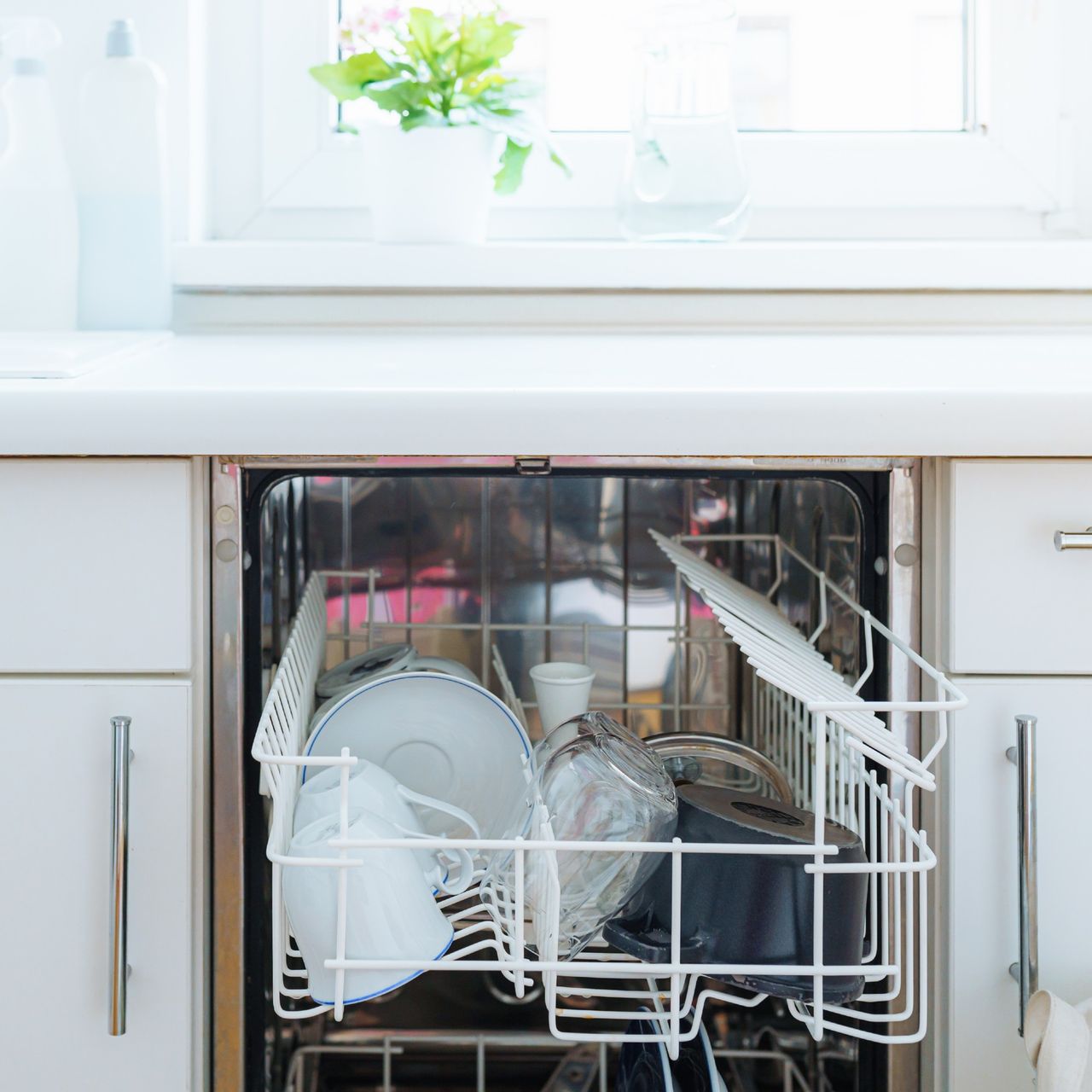
Integrated dishwasher with open door and neatly stacked crockery in white kitchen.

I'm not ashamed to say that I love my dishwasher and it's easily one of the most used appliances in my home.

But with energy prices potentially going up in the summer, I do want to make some easy changes now that may mean saving energy, and therefore lowering my energy bills, down the line. Plus I write about how to save energy at home for a living, so I do like to practice what I preach, like not using my tumble dryer for a month to see how much I could save.

And so I challenged myself to forgo using my dishwasher for the entire month of March and instead resort to handwashing all of my dishes. While I started off well, and undoubtedly saved myself some money in the process, by the end of the month I was definitely counting down the days until I could use my dishwasher again.

This is why.

How much money did I save by not using my dishwasher?

Switching to hand washing instead of using my dishwasher saved me just under £9 over the course of March. For a bit of context, I have a Beko DIS16R10 integrated dishwasher that I tend to use on average eight times per week. I work from home, so I have dirty crockery and cutlery from breakfast, lunch and dinner, and like to put the dishwasher on each evening. Depending on how much needs cleaning, and whether I've been entertaining, I may run it more often or if I don't have a full load, I'll hold off until the next day.

Over the course of the week, I'll use either the Eco setting, Quick & Shine or Intensive mode depending on how dirty the dishes are. For the sake of working out how much energy I saved by not using my dishwasher, my best estimate is that I use the intensive setting twice a week, and the other two modes three times a week each.

According to the instruction manual for my dishwasher, this is how much energy each of the programmes uses, and how much each cycle costs based on the April 2026 energy price cap for electricity (which is 24.67p per kWh):

Programme (temperature/duration)

Energy usage (kWh)

Cost per cycle

Eco (50°C/239 minutes)

0.73

18p

Quick & Shine (60°C/58 minutes)

1.12

28p

Intensive (70°C/164 minutes)

1.25

31p

And so each week, with three Eco programmes, three Quick & Shines, and two Intensive, my dishwasher costs £2 to run, and over the course of the month of March, that adds up to around £8.86 per month. Over the course of a year, that tots up to more than £106.

Was the saving worth it?

(Image credit: Getty Images)

While the thought of saving more than £100 on my energy bills over the course of the year is definitely appealing, the reality of switching to handwashing completely, for me, is not.

Firstly, ever since childhood, I have had a bizarre aversion to certain kinds of foam which extends to things like bubbles from washing up liquid. And that meant I hated every second of actually doing the washing up (but I'm a grown up, so I persisted).

Secondly, combine that aversion with a lack of motivation especially after a particularly yummy and filling dinner (where I'd seemingly used every single pan and pot I own) and I'd quickly find myself with a stack of dirty dishes on the side, which I hated. If I got distracted after entertaining friends of family, I'd go into the kitchen just before bed and be faced with the dreaded stack, and then feel like I wouldn't be able to sleep properly until I'd scrubbed my way through it.

Frankly, I'd willingly pay £9 a month to avoid that.

Thirdly, I felt like I was washing up all the time. Even with a brilliant Scrub Mommy sponge (£7.49 for two at Amazon) in tow, Fairy Skip the Soak Power Spray (3.86, Amazon) at hand and a brand new pair of washing up gloves (£2.85, Amazon) to keep my bubble ick at bay, I very quickly got sick of even more washing up stacking up.

Lastly, the dishwasher was right there. I'd gone to the expense of buying and installing the dishwasher and it seemed like a waste not to use it. And on those nights where there was a mountain of stuff to be tackled and a severe dip in my enthusiasm, I was definitely tempted to use it 'just once'.

While I'd stuck to the challenge I'd set myself, I don't think this is an energy-saving measure I would adopt long-term. Plus, there's the cost of water to consider. When comparing the water cost of running a dishwasher to handwashing, dishwashers actually come out cheaper.

However, if the dishwasher was costing significantly more per month to use, then it's highly likely I'd feel differently, and the potential cost saving would massively outweigh the inconvenience of handwashing.

Sign up to read this article
Read news from 100's of titles, curated specifically for you.
Already a member? Sign in here
Related Stories
Top stories on inkl right now
One subscription that gives you access to news from hundreds of sites
Already a member? Sign in here
Our Picks
Fourteen days free
Download the app
One app. One membership.
100+ trusted global sources.