
Get all your news in one place.
100’s of premium titles.
One app.
Start reading
Tom’s Guide
Tom’s Guide
Technology
Frances Daniels

I sleep less than 7 hours a night and didn't think it was an issue until a recent study said otherwise — an expert explains more

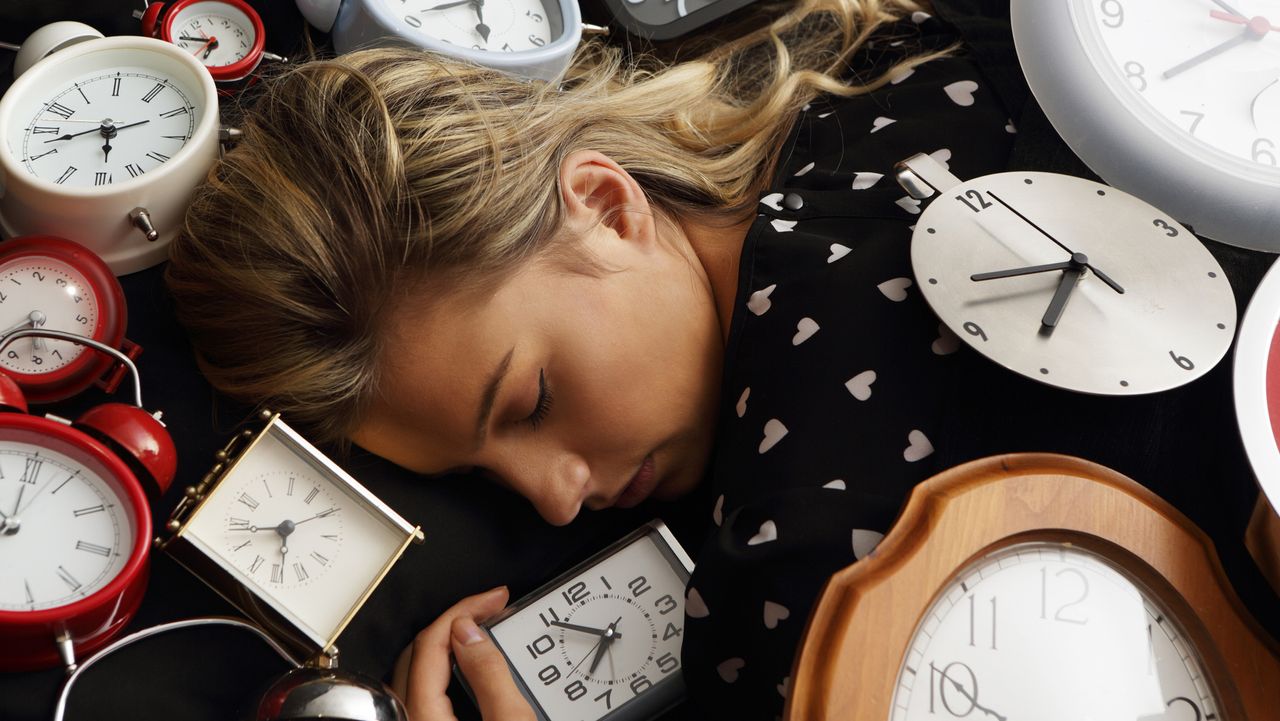
A woman with blonde hair sleeps surrounded by alarm clocks of different colours.

I have something to confess: I regularly sleep less than seven hours a night. Despite knowing that this duration is below the oft-recommended sleep guidelines for adults, I always try to justify my habit by telling myself that I function well on six or so hours sleep a night. Because I do.

But a recent study stopped me in my tracks. Researchers at the Oregon and Health and Science University reported that insufficient sleep every night decreases life expectancy more than any other adverse health behaviors except for smoking.

To learn more, and to get answers to my questions, I spoke to Hannah Shore, Head of Sleep Science at Mattress Online. Here's what she told me...

Key takeaways

  • Authors of the study say that sleeping less than seven hours every night decreases your life expectancy more than poor diet or lack of exercise.
  • However, another well-cited study says that six hours a night is the minimum amount to prevent the risk of heat disease and strokes.
  • The reported link between less sleep and a shorter lifespan for some people is due to a lack of REM sleep; an important stage for brain health.
  • How much sleep you need depends on various factors, and most healthy adults need seven to nine hours for optimal brain recovery.

It's always been drilled into me that exercise and a balanced diet is key to living a long and healthy life. However this recent study suggests that getting enough sleep every night is the most important factor for increasing your life expectancy.

According to Shore, the importance of getting enough sleep is down to what happens during the last stages of our sleep cycle.

The second half of the cycle features REM and a lighter version of sleep, Shore explains, and this is when the brain begins to recover.

"It sorts memories, helping us to learn and processes our emotions. When we cut our sleep short, it cuts off the end of the night so we miss out important factors of our daily recovery," adds Shore.

"This is why when we're tired, we struggle with memory recall and can be emotional."

(Image credit: Getty Images)

According to Shore, skipping this brain-recovering segment through a lack of sleep most nights could have a detrimental effect on the way my brain and body helps me recover and get through each day.

"If we consistently have poor sleep, then our whole sleep architecture can change," she says. "Meaning, the amount of time we spend in each stage of sleep differs."

This can lead to the body not recovering properly from daily stressors.

"The body and brain aren’t just inactive when we sleep – they are working hard to ensure we're ready to thrive the next day, and not just survive. "

Do we really need seven to nine hours sleep?

I usually go to bed between 11.30pm and midnight (but it takes me at least 10 minutes to fall asleep) and I get up at around 6.30am.

Unless it's taking me over 20 minutes to fall asleep, I bank around 6 to 6.75 hours a night. So is getting just under seven hours each night really that bad?

"Sleep needs differ from person to person," responds Shore. "This is why we recommend seven to nine hours of sleep and not a straight eight hours.

"If you're getting six hours and 45 minutes of sleep and still feeling at your best, with no need to catch up on sleep on the weekend, then you're fine."

Short Sleeper Syndrome

So am I an outlier when it comes to the average sleep needs? According to the Cleveland Clinic, there is a condition called Short Sleeper Syndrome (SSS) where some people need less sleep than most healthy adults to feel well rested.

According to research, Short Sleeper Syndrome affects around 1% to 3% of the global population.

While getting under seven hours of sleep might be normal if you always wake up feeling refreshed like me, for most adults it's important to get as much sleep as you can if you're constantly waking up feeling groggy.

Between seven and nine hours of sleep gives you enough time to cycle through and spend enough time in each stage of sleep

Hannah Shore

If I'm functioning well on less than seven hours of sleep every night, does that mean the results of the Oregon and Health and Science University study don't apply to me?

"There is another paper that discusses how six hours of sleep is actually the cut off for any serious health related issues," says Shore.

"However, we say between seven and nine hours of sleep gives you enough time to cycle through and spend enough time in each stage of sleep, so you can recover fully from the stress of the previous day and be fully fit for the following day."

While seven to nine hours is the optimal sleep duration for most people, pushing yourself to sleep for longer than you need can cause unnecessary stress.

(Image credit: Getty Images)

Pay attention to your energy levels

"If you sleep for six hours and 45 minutes and feel fine, and don’t need to catch up on any sleep on weekends, then please don't worry about trying to get that extra 15 minutes," assures Shore.

"To decipher if that is you, ask yourself how you feel in the morning and throughout the day: Do you get tired constantly? Are you trying to ‘catch up’ on sleep by sleeping in on a weekend?"

If you answer 'yes' to those questions, chances are you need to aim for more sleep each night.

"What you don’t want to do is go to bed worrying about how many hours you're getting," Shore warns. "That causes orthosomnia, which is when you worry so much about getting enough sleep that it stops you falling asleep."

How can I get seven hours sleep a night?

One of the reasons why my sleep is cut short is revenge bedtime procrastination. Yep, I often stay up to enjoy some time to myself and to de-stress after a long day.

To conquer this habit, Shore recommends allowing for some personal breaks throughout the day.

"Scheduling in little breaks not only leads to increased productivity and more alertness, but they can leave you feeling less stressed in the evening."

(Image credit: Getty Images)

Shore also says that the absence of a consistent nighttime routine could be a reason for why it's taking me a while to fall asleep.

"Falling asleep within the 20 minute window means you're ready for bed. If you're taking longer to fall asleep, there could be loads of reasons why.

"The main one being you haven’t got your brain and body ready for sleep before getting into bed."

How to create a calming wind-down routine

Here are some of Shore's top tips for creating a soothing bedtime routine for adults so that you feel relaxed and sleepy getting into bed, ready to fall asleep...

  • Get ready for bed earlier: "Put your PJs on, and get your teeth brushed and face washed. This way your body doesn’t wake up when doing all these stimulating things right before you jump into bed."
  • Turn the lights down: "Low level lighting signals that it's time for bed, helping your body to start producing the right hormones [melatonin] to make you sleepy."
  • Find something that relaxes you: "This could be anything from meditation to watching re-runs of your favourite show."
  • Go to bed when you're tired: "When you start feeling tired, this means it's for bed and sleep."
Sign up to read this article
Read news from 100’s of titles, curated specifically for you.
Already a member? Sign in here
Related Stories
Top stories on inkl right now
One subscription that gives you access to news from hundreds of sites
Already a member? Sign in here
Our Picks
Fourteen days free
Download the app
One app. One membership.
100+ trusted global sources.