Get all your news in one place.
100’s of premium titles.
One app.
Start reading
Tom’s Guide
Tom’s Guide
Technology
Sam Hopes

I'm a personal trainer — The 6-12-25 workout method is the functional way to pack on lean muscle mass and strength

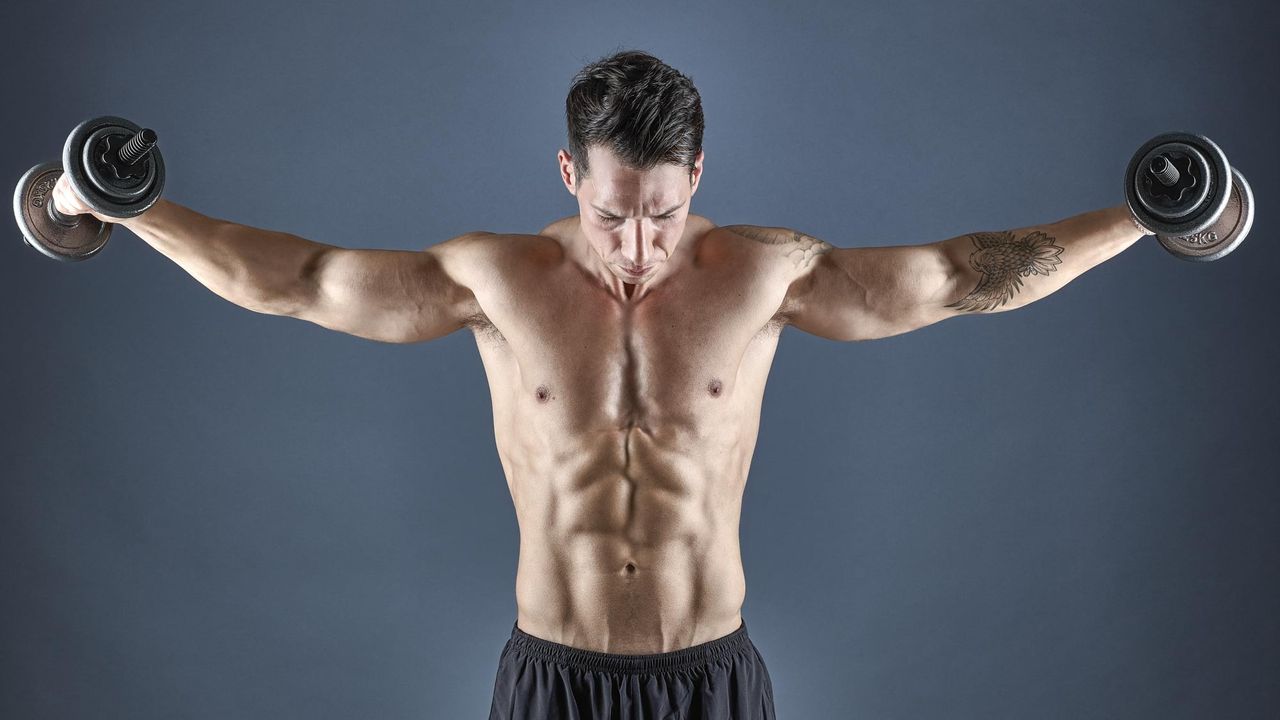
Man performing dumbbell lateral raises.

We all put numbers to our workout methods, whether we realize it or not — but have you ever tried the 6-12-25 gym rule? Made popular by bodybuilders, the method is said to build muscle and strength using a particular style of training — volume.

But we’re not talking Pilates-style volume here, where you only use light loads for high reps to increase muscle endurance. No, no, no — we’re talking huge gains, big pumps and swole muscle hypertrophic overload.

As with any gym protocol, form is key, and you’ll need to follow the instructions below closely to benefit from the 6-12-25 workout gains. Here’s everything you need to know.

What is the 6-12-25 workout method?

The training protocol comes from strength coach Charles Poliquin and uses giant sets to overload muscles into growth — a technique called hypertrophy. Giant sets refer to a group of three or more exercises performed with little to no rest between them, as you move straight from one to the next. Like a superset, but... bigger.

This increases overall volume and minimizes rest, making your workout more efficient. Traditionally, you’ll incorporate three exercises into one set and focus on one muscle group at a time (per set).

The protocol involves performing six, 12 and 25 reps (hence the name) and three to five sets. You can take 3 minutes' rest between sets, not exercises.

For sets requiring fewer reps (six), you’ll tap into strength training with heavier loads and compound exercises like the bench press. For sets requiring moderate reps (12), you’ll reduce the load slightly and focus on accessory or isolation exercises. Finally, for the higher rep ranges (25), focus on lighter load and accessory or isolation exercises.

Here’s an example for each of the major muscle groups:

  • Chest: 3-5 sets
    • Bench press: 6 reps
    • Shoulder press: 12 reps
    • Reverse flyes: 25 reps
  • 3 minutes rest
  • Back: 3-5 sets
    • Pull-up: 6 reps
    • Single-arm row: 12 reps
    • Weighted superman: 25 reps
  • 3 minutes rest
  • Legs: 3-5 sets
    • Front squat: 6 reps
    • Good morning: 12 reps
    • Hamstring curls: 25 reps
  • 3 minutes rest

You could split these up by session, like chest on Monday, back on Tuesday and legs on a Thursday, for example. You could create a chest and back pairing and save legs for later in the week.

You could even create a mammoth full-body workout and hit them all in the same session, but remember that you’ll need at least 24 to 48 hours to recover before you go again.

You’ll also need to figure out a submaximal load for each, allowing for the last few reps to feel very testing. That means lifting much heavier for 6 reps and a whole lot lighter for 25.

I recommend learning to calculate your one-rep max first, and checking out how to "run the rack," because this will give you a better idea of how to manage loading.

What are the benefits of the 6-12-25 method?

You get to tap into multiple training principles here — strength, hypertrophy and endurance.

Strength training typically focuses on fewer reps and heavier load very close to your one-rep max; hypertrophy requires you to progressively overload muscles by applying mechanical tension and creating stress, using submaximal loads and rep ranges; endurance training typically involves much lighter weight for high rep ranges, teaching muscles to, quite literally, endure and become fatigue-resistant.

Using this method, you can progressively increase load and adapt as you get stronger (read: hypertrophy vs strength training).

Not only can you focus on strength and muscle growth, but you can also include compound exercises that are functional with accessory moves or isolation exercises that allow you to hone in on one specific, supporting muscle group (read: agonist vs antagonist muscle groups). The combination will give you that serious after-workout pump, down to sheer volume, blood flow and effort.

Follow Tom's Guide on Google News and add us as a preferred source to get our up-to-date news, analysis, and reviews in your feeds.

More from Tom's Guide

Sign up to read this article
Read news from 100’s of titles, curated specifically for you.
Already a member? Sign in here
Related Stories
Top stories on inkl right now
One subscription that gives you access to news from hundreds of sites
Already a member? Sign in here
Our Picks
Fourteen days free
Download the app
One app. One membership.
100+ trusted global sources.