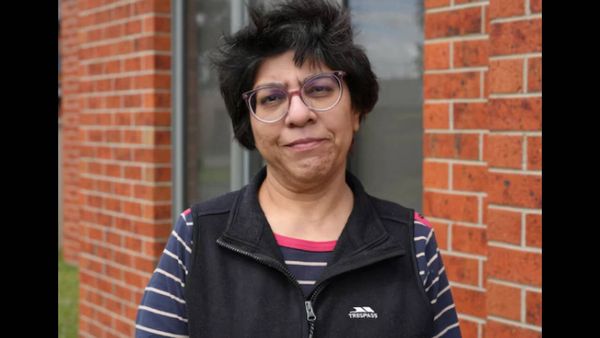
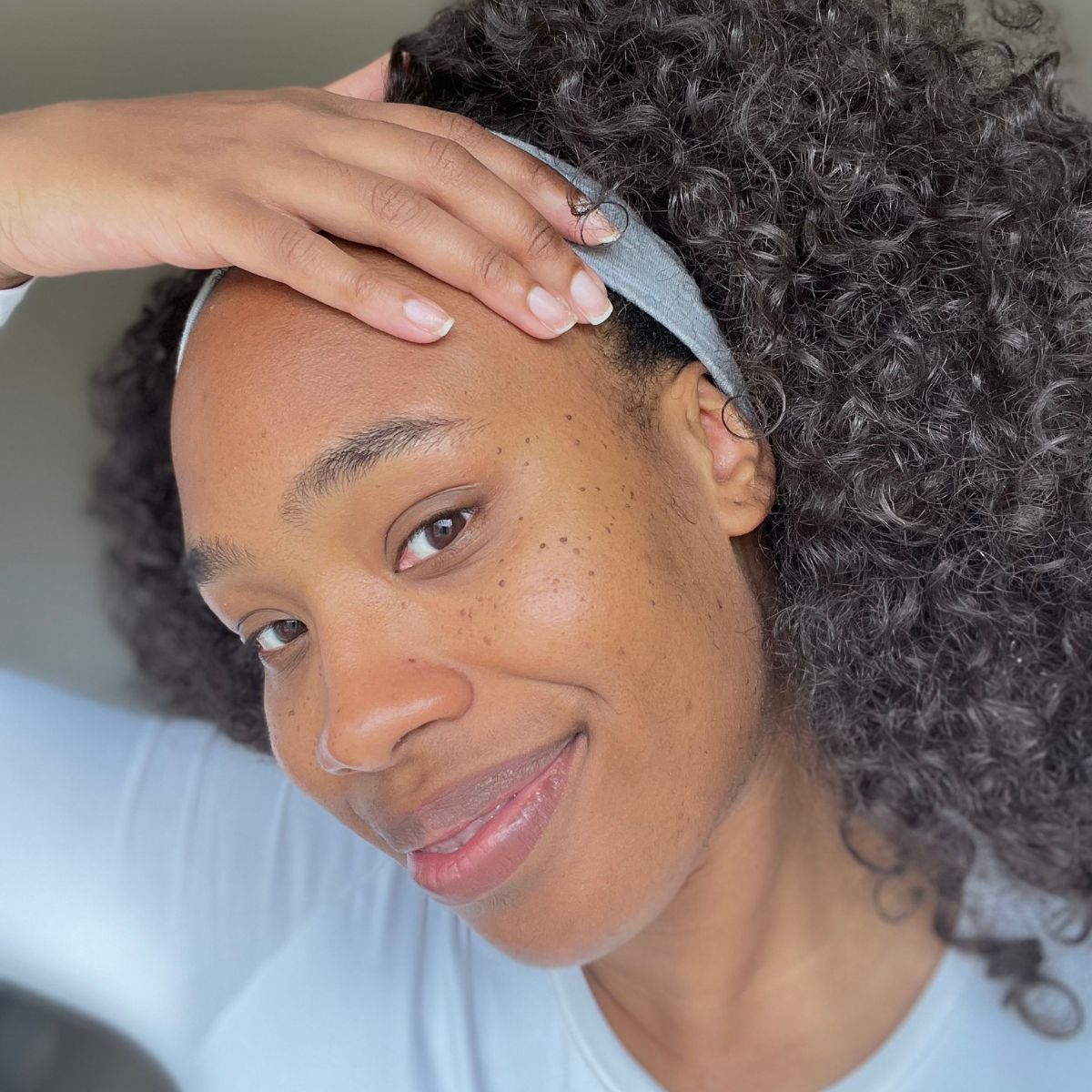
We all have distinguishable features. For the last ten years or so, mine have been the dark raised moles that appeared across my cheeks and temples during my late twenties. I wasn’t born with them. I woke up one day, and they were just… there. Initially, I liked them. The small dark brown moles formed a pattern that resembled a constellation of dark stars across my face. I’ve been affectionately called “freckle face” by close friends ever since.
But they weren’t freckles. The raised lesions across my cheeks and temples were dermatosis papulosa nigra—which may sound scary but are completely benign and harmless. These moles (see also: skin tags, freckles, lesions) are commonly found in darker skin tones and among people of African and Asian heritage. For Black and brown women in our 30s, they almost feel like a rite of passage. In a recent post on Threads, one user shared,” Any Black women turn 30, and all of a sudden get crazy moles!??” The post received hundreds of beautiful photos of Black and brown women sharing their moles and freckles that looked almost identical to my own. In this space, these common imperfections felt like something to celebrate. And yet, I have decided to remove mine via advanced electrolysis.