Get all your news in one place.
100's of premium titles.
One app.
Start reading
Tom’s Guide
Tom’s Guide
Technology
Dan Bracaglia

I just reviewed the Garmin Cirqa — 5 things you need to know about Garmin’s subscription-free Whoop and Fitbit Air alternative

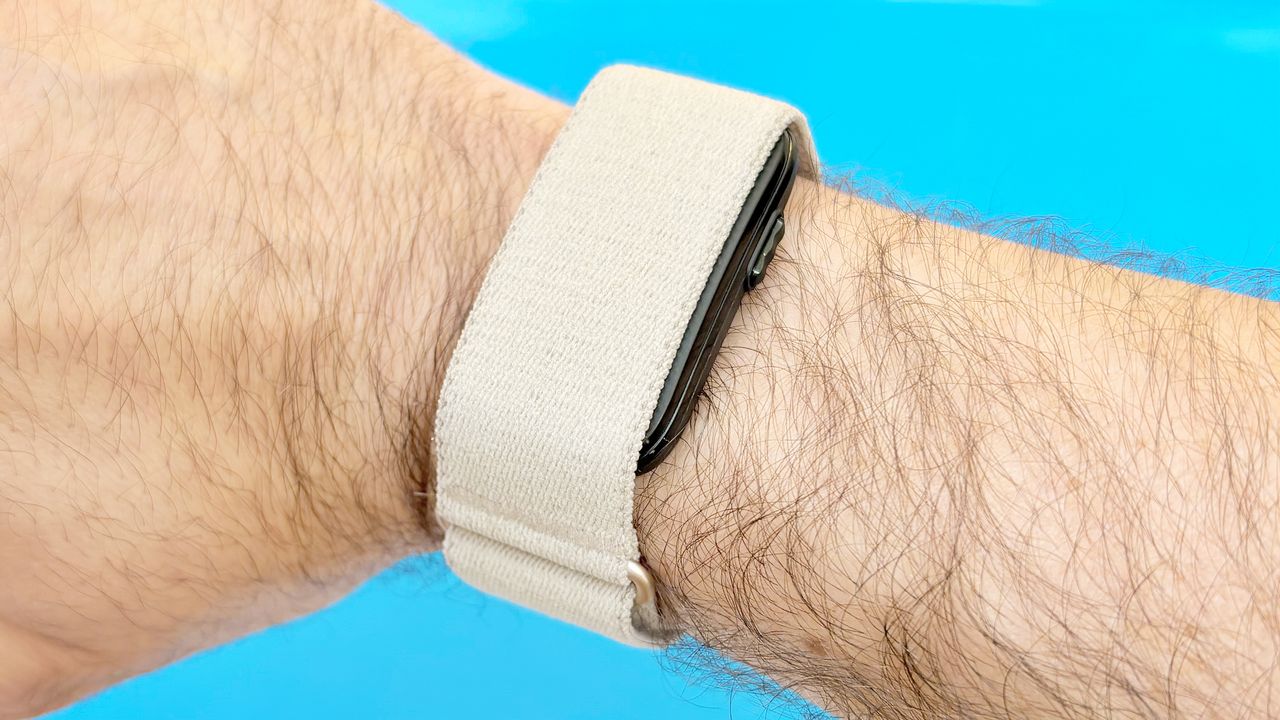
Close-up of the Garmin Cirqa on the reviewer's wrist against a blue background.

I just finished reviewing the new Garmin Cirqa, and it's one of the best fitness trackers of 2026. A screen-free wearable, the Cirqa is a direct competitor to the popular Fitbit Air and Whoop 5.0.

While these three wearable devices have a lot in common — like the lack of a screen, onboard GPS, and notifications — several key factors set the Garmin Cirqa apart from the Fitbit Air and Whoop 5.0.

With that in mind, after two+ weeks of wrist time, here are the five most important things you need to know about the new Garmin Cirqa.

1. Garmin Cirqa = Cheaper than Whoop, pricier than Fitbit

(Image credit: Dan Bracaglia/Tom's Guide)

The Cirqa is pricier than the Fitbit Air but cheaper than the Whoop 5.0. Both the Fitbit Air and Garmin Cirqa are subscription-optional products, with the vast majority of their core features available for free. However, the Cirqa is twice the cost of the Air: $199 vs $99.

The more pro-athlete-oriented Whoop 5.0 is technically free, but users must sign up for an annual subscription to use it, which ranges from $199 to $359 a year depending on the tier.

2. Garmin Cirqa = Comfier than the Whoop, bulkier than the Fitbit

(Image credit: Future)

The Fitbit Air is both thinner and lighter than the Garmin Cirqa. The former weighs just 5.2 g, and the latter weighs 14.8 g (both excluding the strap). Compared to the Whoop 5.0, the Garmin Cirqa is roughly the same dimensions, but the Whoop weighs 26.5 g (no strap), making it less comfortable than the Cirqa.

That said, I’ve found the Cirqa strap to be the scratchiest of the bunch, though it does appear to be softening up a bit with wear.

3. Garmin Cirqa = Battery life also splits the difference

(Image credit: Dan Bracaglia/Tom's Guide)

The Cirqa also splits the difference when it comes to battery life. Are you noticing a pattern here? As per our testing, while the Fitbit Air is good for about a week per charge and the Whoop 5.0 lasts for roughly two weeks, the Garmin Cirqa lasts about ten days.

4. Garmin Cirqa = Deeper holistic insights than Fitbit

(Image credit: Dan Bracaglia/Tom's Guide)

Garmin Cirqa wearers will find the Garmin Connect app chock-full of sleep, wellness, workout recovery, and training insights. While not quite as detailed or serious/pro-athlete focused as Whoop’s holistic reports, Garmin offers more to chew on than the Google Health app (formerly the Fitbit app), both in terms of metrics and actionable advice.

For example, features like Fitness Age and recovery time suggestions are offered on the Garmin but not the Fitbit. Similarly, the Cirqa is compatible with the popular Natural Cycles women's health tracking app. The Air is not.

5. Garmin Cirqa: One button to rule them all

(Image credit: Dan Bracaglia/Tom's Guide)

One very tiny yet impactful thing that really sets the Garmin Cirqa apart from the competition is the inclusion of a single physical button on the side of the device. Customizable to start/stop any of the 80+ supported workout types of your choosing, this nifty bit of design saves you a trip to the app. It also means you don’t have to worry about whether or not auto workout detection is actually working, should you go that route.

Which of these three screen-less trackers do you most fancy? Let me know in the poll below.

More from Tom's Guide

Sign up to read this article
Read news from 100's of titles, curated specifically for you.
Already a member? Sign in here
Related Stories
Top stories on inkl right now
One subscription that gives you access to news from hundreds of sites
Already a member? Sign in here
Our Picks
Fourteen days free
Download the app
One app. One membership.
100+ trusted global sources.