Get all your news in one place.
100’s of premium titles.
One app.
Start reading
Tom’s Guide
Tom’s Guide
Technology
Eve Davies

I doubted Mel Robbin's weird bedtime trick could help me fall asleep fast — but I was out cold in 4 minutes according to my sleep tracker

A woman with long blonde hair and black glasses wearing white vest top laying in bed with white bedding writing in a note pad, with circle inset of Mel Robbins.

Ever wondered how best-selling author, podcast host, motivational speaker and former lawyer *breathe* Mel Robbins manages to do it all? Mainly, it's down to great sleep, as she often cites on her podcast, social channels, and media appearances.

Want to learn more about how you sleep?
(Image credit: Future)

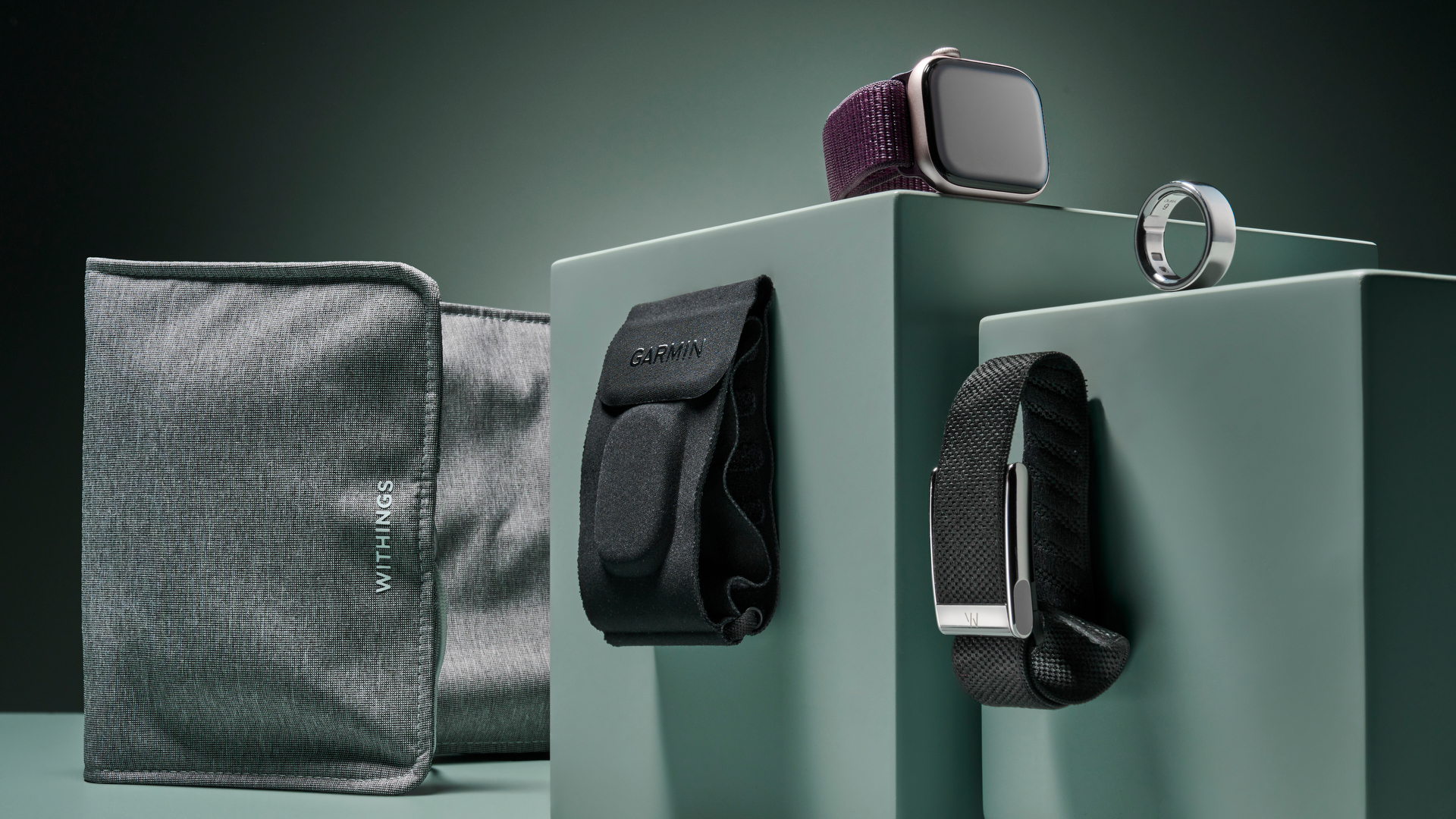
Our best sleep trackers of 2026 guide can help you find the wearable or non-wearable gadget that can help you understand and improve your sleep

But, like the rest of us, Robbins has a lot on her plate and admits sleep isn't always easy to come by. Not one to settle for a sub-par routine, the self-improvement author has a few tricks and habits, all backed by science, to help her sleep as well as possible.

In a recent episode of The Mel Robbins Podcast, she introduces a "backwards" bedtime habit that can help you beat overwhelm, fall asleep fast, and get better quality sleep through the night.

What is Mel Robbin's "backwards" bedtime trick?

Mel Robbins "backwards" bedtime routine is about getting pen to paper. No, I don't mean write a novel before bed. I mean brain dumping all the things you intended to, but didn't, get done within the day.

My colleague and fellow sleep guru, Frances Daniels, swears by writing a next-day to-do list for falling asleep fast, and Mel's method works in a similar vein.

Robbins bases her bedtime habit on a 2018 study from Baylor University where one group of people journaled about the tasks they had already accomplished; while another group wrote down everything from their to do list that they didn't do.

The researchers found the people who wrote down what they didn't do (effectively forming a to do list for the following day) slept better. They fell asleep and nine to 10 minutes faster, which, as Robbins highlights, is the same effect as some prescription medication in clinical trials.

Why does this sleep method work?

Robbins calls upon the Zeigarnik Effect to explain why a bedtime brain dump works. This is when our brains focus on the unfinished tasks rather than the completed ones, causing mental overwhelm rather than satisfaction.

"After a final brain dump under the covers, I'm falling asleep faster and getting better sleep scores"

Essentially, the tasks remain active in your mind, stealing precious sleep time. Whereas if you see them jotted them down on paper, your brain closes the loop. You cognitively offload "open tabs", paving the way for mental peace.

"So if you're lying in bed staring at the ceiling thinking about emails and errands and phone calls, the fix isn't lavender oil or white noise," says Robbins, "it's a brain dump."

"The research proves that if you offload the things you're thinking about on a piece of paper, the Zeigarnik Effect takes hold and your brain can actually let it go and drift into sleep," she adds.

Pen, paper & better sleep

Disclaimer: I'm usually a good sleeper. It is my job, after all, as Tom's Guide's Sleep Tech Writer, to find gadgets and sleep methods that genuinely improve rest. But heading into the new year, I've felt a little overwhelmed by my daily to-dos and plans for the 12 months ahead.

Carrying social jet lag left over from the Christmas period while trying to get back into a healthy routine, I noticed I was going to bed thinking about things I had left to do, leaving me tossing and turning much longer than usual.

So, it was the perfect time for me to put Robbin's "backwards" bedtime habit to the test. A week later, my sleep scores have improved, according to my Garmin sleep tracker.

(Image credit: Getty Images)

Previously, I've tried staying on top of things in my notes app on my phone, but even that has become an unruly stack of half-written, unfinished to-do lists. So, encouraged by Mel, I've reverted back to the good old pen and paper.

I split my to do lists into two: I wrote one work-related one when I logging off at the end of my working day and one life-related one at bedtime. Both helped me sleep better, and even enjoy my evenings more.

Sleep advice, namely the 10-3-2-1 sleep rule, stipulates you should shut off from work at least two hours before bedtime. Thankfully, I finish work quite some time before bed. But writing a list of things I need to carry into the next working day has helped me put a hard stop on work.

I've found this has made me feel more at ease while enjoying down time in the evenings. Plus, I have a head start the next morning as my to-do list is already written.

I'm feeling more relaxed at bedtime

Primed by a relaxing evening (usually involving a sauna for maximum sleep benefits) and a final brain dump once I'm under the covers with a bedtime tea, I've found I'm falling asleep faster and getting better sleep scores than I was at the turn of the year.

(Image credit: Future)

Mind the brag, but after a week of using Robbin's hack, I've even gained a Garmin badge for a seven day streak of 75+ sleep scores. And my sleep latency has been as low as four minutes.

Known for her digestible personal development advice, Mel Robbins often breaks the internet with viral productivity-cross-wellness hacks. As with all wellness trends in the social media eco-chamber, one should proceed with caution.

But with the science and my own experience to back it, I can confidently say her 'backwards' bedtime hack is a trusty one.

Sign up to read this article
Read news from 100’s of titles, curated specifically for you.
Already a member? Sign in here
Related Stories
Top stories on inkl right now
One subscription that gives you access to news from hundreds of sites
Already a member? Sign in here
Our Picks
Fourteen days free
Download the app
One app. One membership.
100+ trusted global sources.