Say what you want about artificial intelligence, but there's a time and place for it –– writing assistance, reading reams of text full of em-dashes, or adding to the ubiquitous brain rot you might find floating around Facebook. It might use gallons of water, but this is the modern age and water is so antiquated, don't you think?
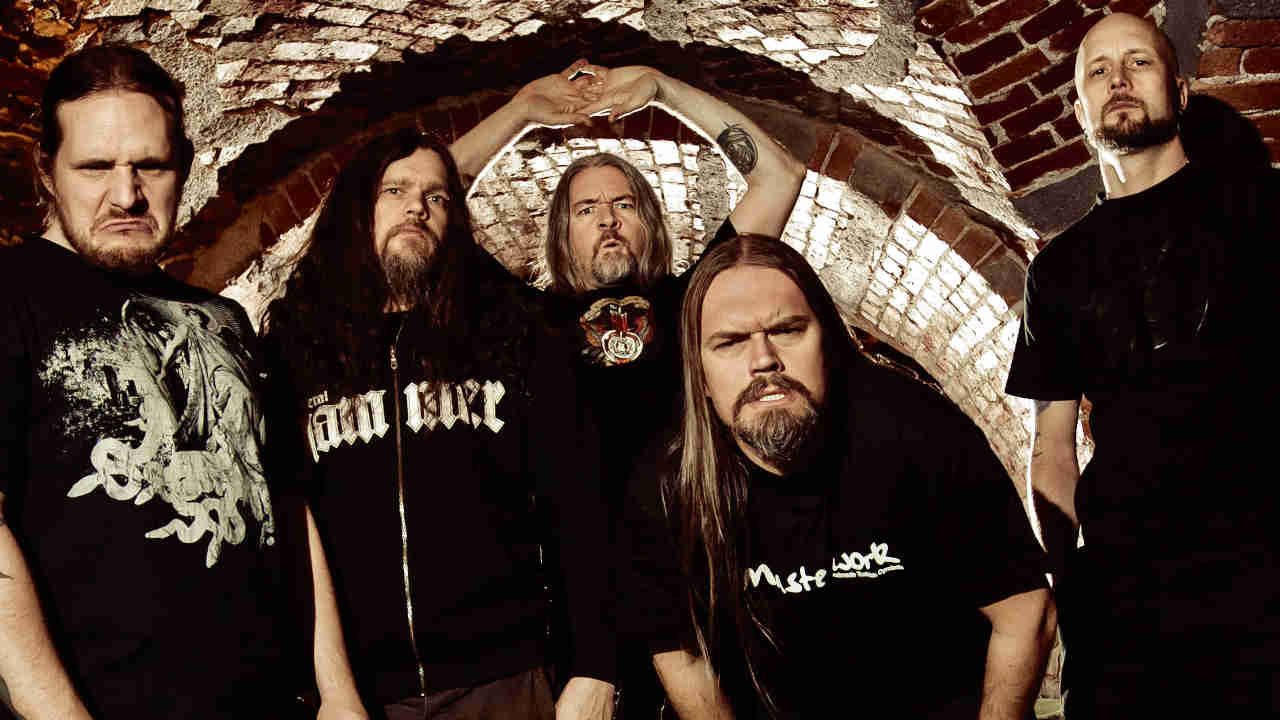
But right now, we'd like a simple explanation of what the hell Meshuggah drummer Tomas Haake is playing on his kit during their 2008 track Bleed.
"The drum pattern in Meshuggah's "Bleed" is characterised by a relentless, high-speed herta pattern played on the double kick drums (two 32nd notes followed by two 16th notes or sixteenth-sixteenth-eighth). This pattern is played continuously, creating a 3:4 or 3:2 polyrhythm against a steady 4/4 hand pattern."
There's none of that four-on-the-floor nonsense in one particular rehearsal room in Sweden, then.
The band's album obZen was set to be released in November 2007. They were sure of finishing their sixth full-length release in the summer at their own Fear and Loathing Studio, in Stockholm. So much so, a co-headline tour with The Dillinger Escape Plan was announced, then scrapped soon afterwards.
"There are several reasons for this," explained the band in a statement. "The main one being the fact that the album recording has taken longer than what was originally planned. In light of this we choose to not do a tour that could compromise the outcome of the album as well as possibly delaying the release even more. With this 'album-promotional' aspect of the tour gone, we feel that we should instead focus on the most important thing at hand — the album!"
The album was released in March the following year. It combined everything that was great about this Umeå quintet. Fans were drawn to Bleed, the technical precision and groove helped create their own extreme earworm and would be the subject of many memes and parodies in years to follow.
You could tap your feet to it, but you'll fuck your ankles right up.