
Get all your news in one place.
100’s of premium titles.
One app.
Start reading
Louder
Louder
Entertainment
Malcolm Dome

“I became obsessed with doing the perfect album. I even had them working on Christmas Day!” Producer was perfect for Marillion the first time, a disaster the second time – and didn’t get a third time

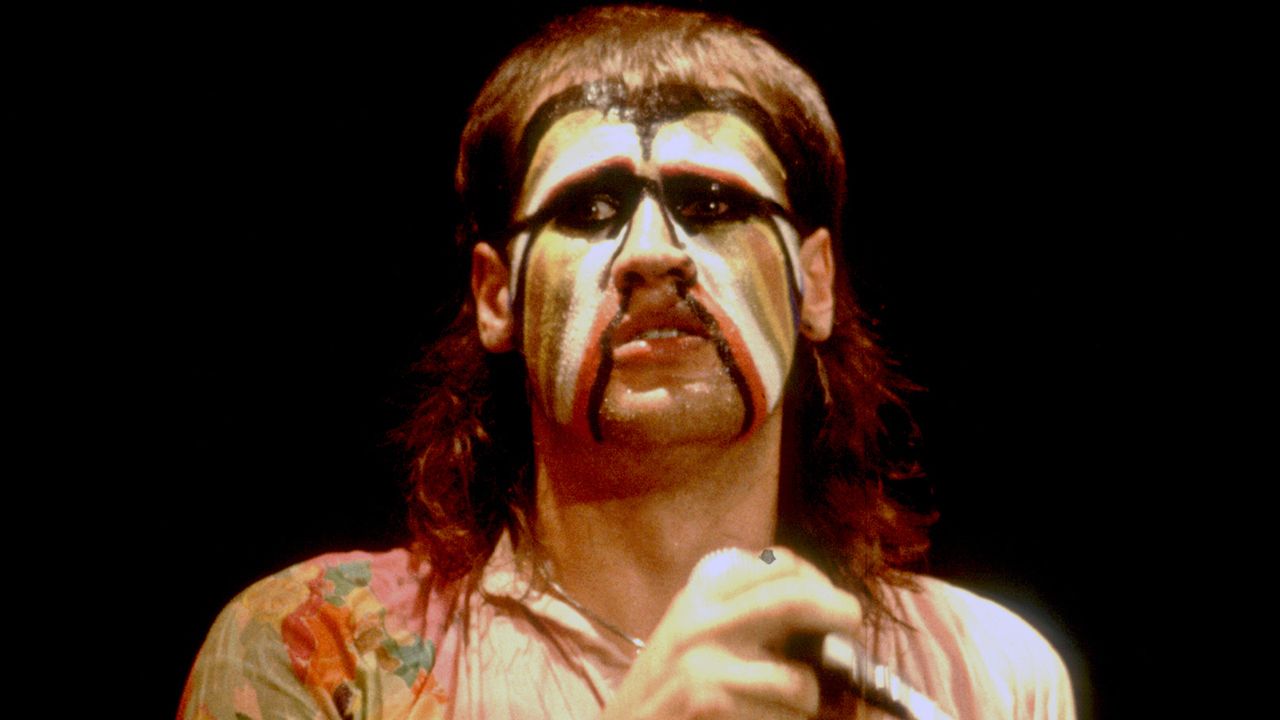
English band Marillion performs at the Park West in Chicago, Illinois, September 22, 1983. Lead singer Fish is pictured. (Photo by Paul Natkin/Getty Images).

Producer Nick Tauber made a name for himself in the 1970s for his work with Thin Lizzy, Stiff Little Fingers and many others. An invitation to work on Marillion’s debut album Script For A Jester’s Tear in 1983 seemed to be a match made in heaven – but by Tauber’s own admission, their collaboration on follow-up Fugazi disappointed everyone, and he never worked in prog again. He reflected on the experience in 2009.

“I didn’t have any sort of pedigree with progressive music until Marillion asked me to do their debut album Script For A Jester’s Tear (1983). David Hitchcock, whom I knew really well, had produced their first single, Market Square Heroes in 1982 – but then he’d been involved in a bad road accident.

EMI Records were desperate to get the first album recorded fast, and weren’t keen on waiting for David to recover. At the time, I was producing Toyah at The Marquee Studios in Wardour Street, Central London. The offices of Hit & Run, who had Marillion signed for music publishing, were just above the studio.

So Hit & Run played me some of their demos. I really liked what they were doing – to me, they were original and passionate about their music. I know people thought Steve Rothery copied Steve Hackett, but what I heard was a guitarist inspired more by David Gilmour.

We did Script at Marquee Studios, and I found them a delight to produce. They very inventive, and Fish was so charismatic. The whole process was smooth, professional and pleasant. And the record sold like crazy, going gold in just two weeks!

But second time around, on the 1984 album Fugazi, things were more difficult. The problem was that I became obsessed with doing the perfect album. Also, the band didn’t really have the songs worked out.

The result was that we had a few problems in the studio, although I blame myself more than the band. I even had them working on Christmas Day! But some of the songs on that album are brilliant.

I got loads of requests after Marillion to produce prog bands, but none really appealed to me. They all seemed to sound so derivative. That’s why I enjoyed working with Marillion – they did have original ideas. But if I find the right artist, I’d love to work in prog again.”

Sign up to read this article
Read news from 100’s of titles, curated specifically for you.
Already a member? Sign in here
Related Stories
Top stories on inkl right now
Our Picks
Fourteen days free
Download the app
One app. One membership.
100+ trusted global sources.