
Get all your news in one place.
100's of premium titles.
One app.
Start reading
LiveScience
LiveScience
Kristina Killgrove

Humans reached southern South America by 14,500 years ago, genomes from 139 Indigenous groups reveal

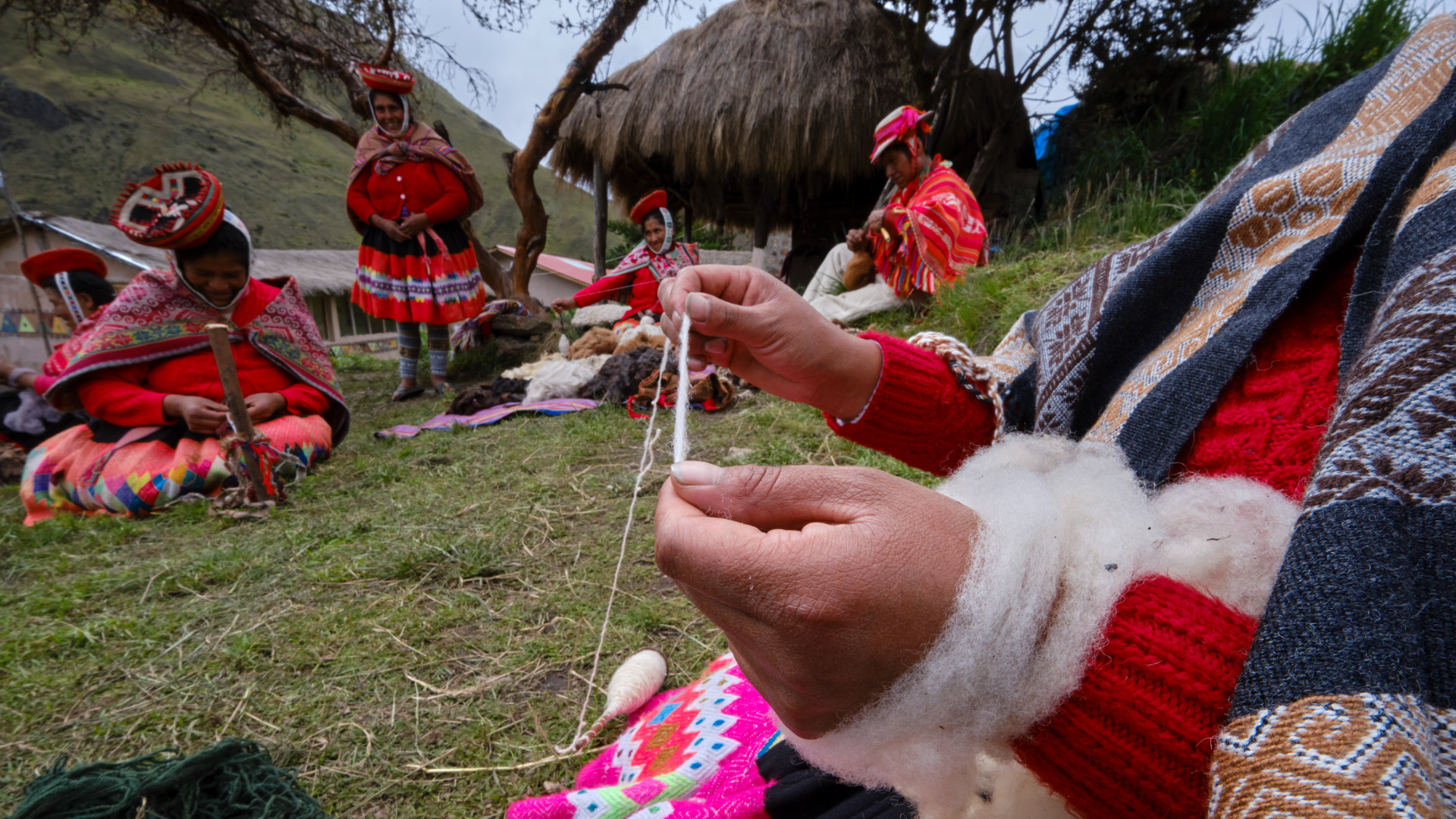
Four women dressed in red are sitting on green grass. In the foreground, we see another person's hands spinning wool into yarn.

During the last ice age, humans crossing from Asia along the Bering Land Bridge underwent three major population splits as they traveled through the Americas, a new genetic analysis reveals. This journey, which the team identified as the "longest human migration out of Africa," led to a group that settled in Patagonia 14,500 years ago.

In a study published Thursday (May 15) in the journal Science, an international team of scientists detailed their analysis of 1,537 genomes of people from 139 different ethnic groups to identify genetic characteristics of the earliest Americans.

Sign up to read this article
Read news from 100's of titles, curated specifically for you.
Already a member? Sign in here
Related Stories
Top stories on inkl right now
One subscription that gives you access to news from hundreds of sites
Already a member? Sign in here
Our Picks
Fourteen days free
Download the app
One app. One membership.
100+ trusted global sources.






