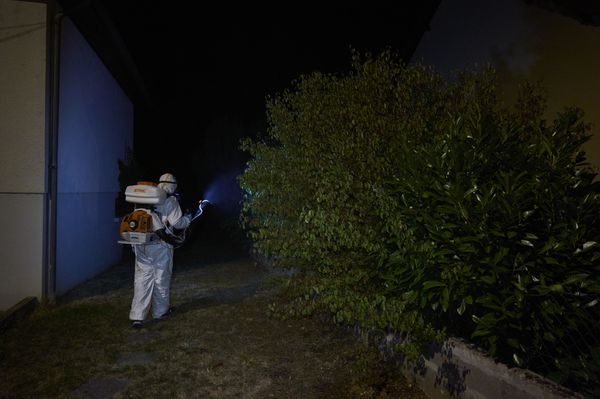
Most animals, including humans, carry an internal lunar clock, tuned to the 29.5-day rhythm of the Moon. It guides sleep, reproduction and migration of many species. But in the age of artificial light, that ancient signal is fading – washed out by the glow of cities, screens and satellites.
Just as the circadian rhythm keeps time with the 24-hour rotation of the Earth, many organisms also track the slower rhythm of the Moon. Both systems rely on light cues, and a recent study analysing women’s menstrual cycles shows that as the planet brightens from artificial light, the natural contrasts that once structured biological time are being blurred.