Ghosts have been a perpetual fixture of human artistry for generations, one of our oldest existential curiosities — we’ve used them as a tool to wrestle with mortality in books, live theatre, and, (since 1896’s The Haunted Castle) movies as well. They’re perhaps the original on-screen horror archetype, predating even Dracula. Their ubiquity speaks to the power that genre cinema has in helping us understand not just mortality, but trauma, and regret, and historical bloodshed as well.
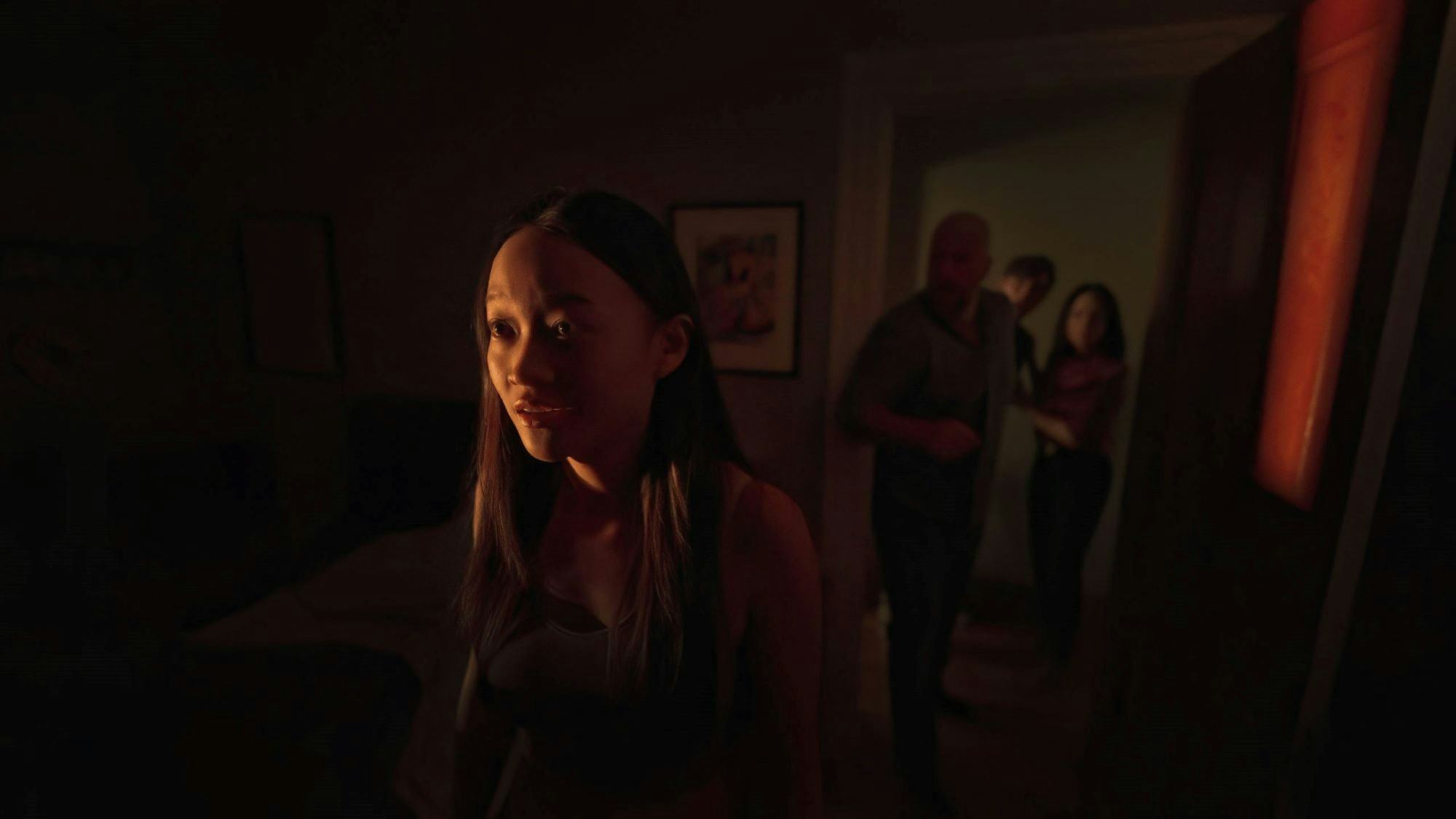
For as long as they’ve haunted the collective cinematic consciousness, they’ve also undergone changes that reflect our increasingly cynical appetites. Gone are the hokey, spectral-white, mostly peaceful apparitions from the Golden Age of Hollywood, replaced by the overtly evil, often gruesome-looking ghouls made popular by Paranormal Activity and The Conjuring. Modern ghost stories resemble their classic Gothic origins increasingly little, which is why Steven Soderbergh’s recent Presence feels so fresh: it marries a genuinely unique visual style with the atmosphere of a traditional haunting.