Quick summary
HTC is bringing its Vive Eagle glasses to the US, with preorders open on Amazon.
The glasses will rival the Ray-Ban Meta, as well as the forthcoming Samsung AI glasses, and offer a choice of AI systems.
HTC launched the Vive Eagle glasses in its homeland Taiwan in 2025 and now it's expanding their availability to compete with Meta's Ray-Bans. The AI glasses will be officially available in the US from September.
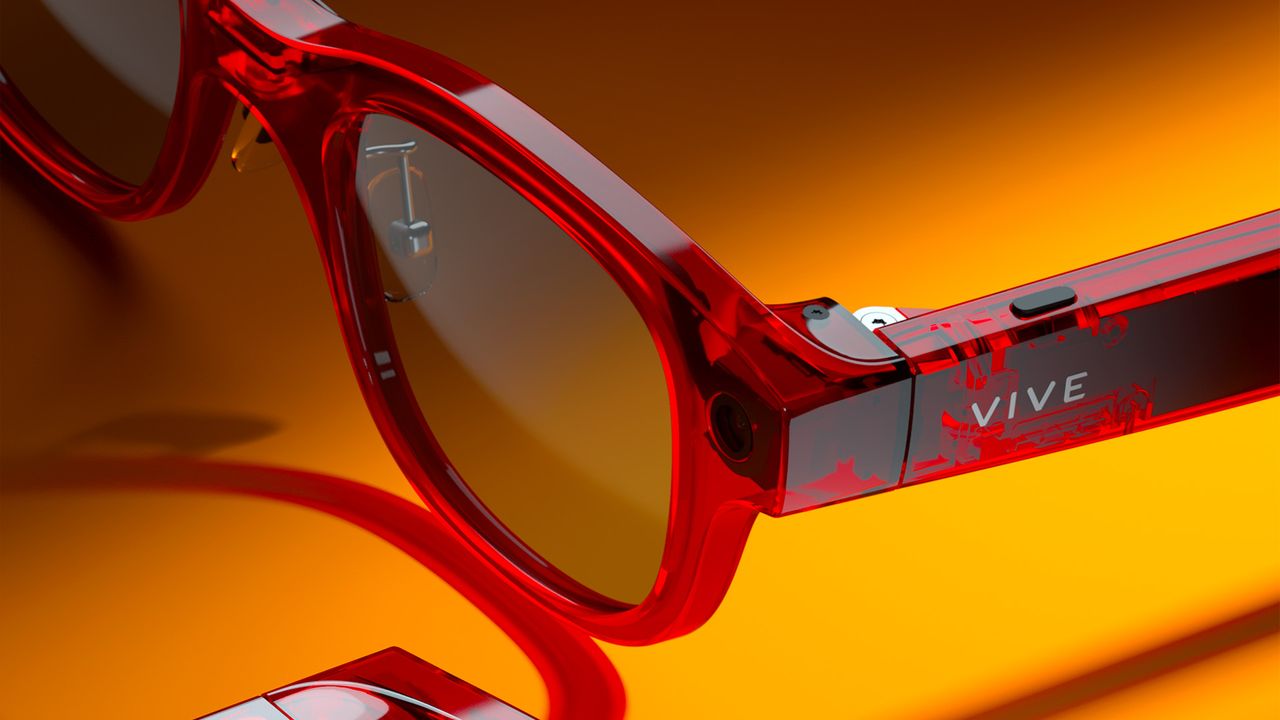
HTC is widely known for its Vive AR headset, so it's no surprise that it has a glasses offering, with the company's smartphone ambitions now long behind. The preorder on Amazon brought the availability to the attention of Notebookcheck, detailing that the $499 glasses will be available in Coffee, Matte Black, Glossy Black and Apricot colours.
There are listings with clear lenses and as sunglasses, all at the same price, with a design that's not too different to the Ray-Ban Meta glasses.
The motivation for the launch is the US is likely to build a head of steam behind Android XR and the anticipated glasses from Samsung, which could be revealed at Galaxy Unpacked on 22 July.
But the Vive Eagle doesn't use Android XR, instead detailing that it sits on the Wear OS platform. It's powered by the Snapdragon AR1 chip (which isn't the most recent), while offering IP54 protection. There's 4GB RAM and 32GB storage.
The glasses feature a 12-megapixel camera for point of view filming and capture, while Vive AI powers the voice control. There's access to Gemini and ChatGPT, along with features like AI note taking and live translation.
In addition, these glasses will work as a music player thanks to the open-ear speakers in the arms. The 235mAh battery is said to last 36 hours.
There are two sizes – medium and large – and you'll need a connected smartphone to use Eagle Vive, linked via the Vive Connect app.
On paper, the Vive Eagle pairs are closely related to Ray-Ban's Meta glasses, from the hardware through to the design specifications. The big difference appears to be that HTC is offering some degree of openness about the AI that you interact with, offering both Gemini and ChatGPT.
HTC also makes pains to highlight that the data you capture is yours and not used to train AI models, which is one of the criticisms of Meta's AI glasses. However, HTC's glasses are more expensive than the base Meta glasses and they also don't come with that brand name.
People are choosing Ray-Ban's Meta glasses because of the Ray-Ban brand. Even if you're not using the AI features, they're still cool. That can't be said for HTC's glasses that lack that brand appeal – so, if you're not using the AI, you'll be wearing a pair of $500 non-brand glasses.