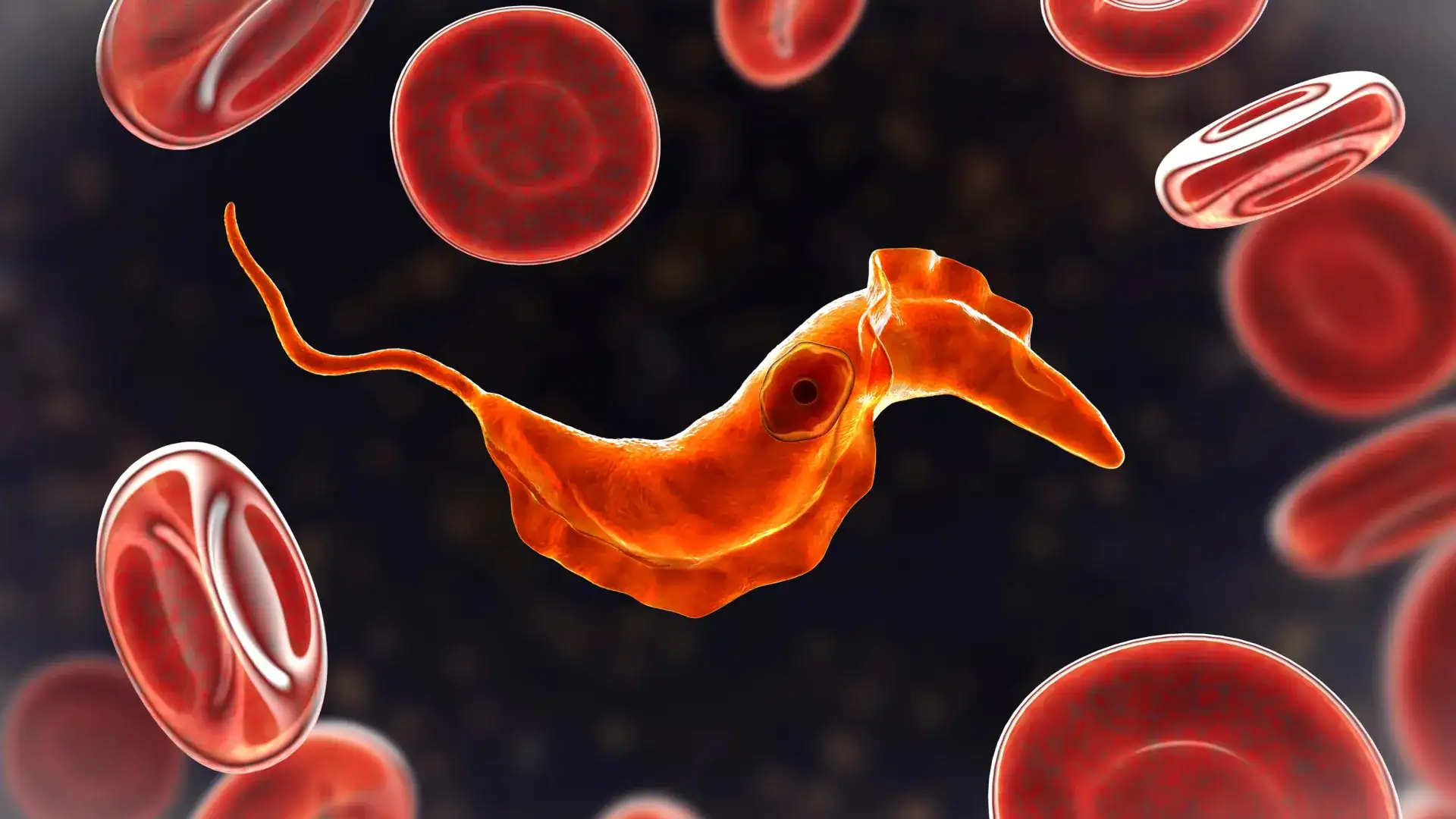
Scientists discover ancient single-celled ancestors still live on in your blood, according to groundbreaking new research tracing the evolutionary history of human immune cells back nearly 700 million years. The discovery suggests modern human blood cells may still carry biological features inherited from Earth’s earliest single-celled organisms. Researchers say the findings could transform how scientists understand immunity, evolution, and even diseases like cancer.
The study, led by researchers at Kyoto University, focused on the origins of blood cells across the animal kingdom. Scientists compared gene activity patterns in blood and immune cells from multiple species to reconstruct an evolutionary family tree stretching back hundreds of millions of years. Their analysis revealed that some of today’s most important immune cells likely evolved from ancient unicellular organisms that existed before complex animals appeared on Earth.