
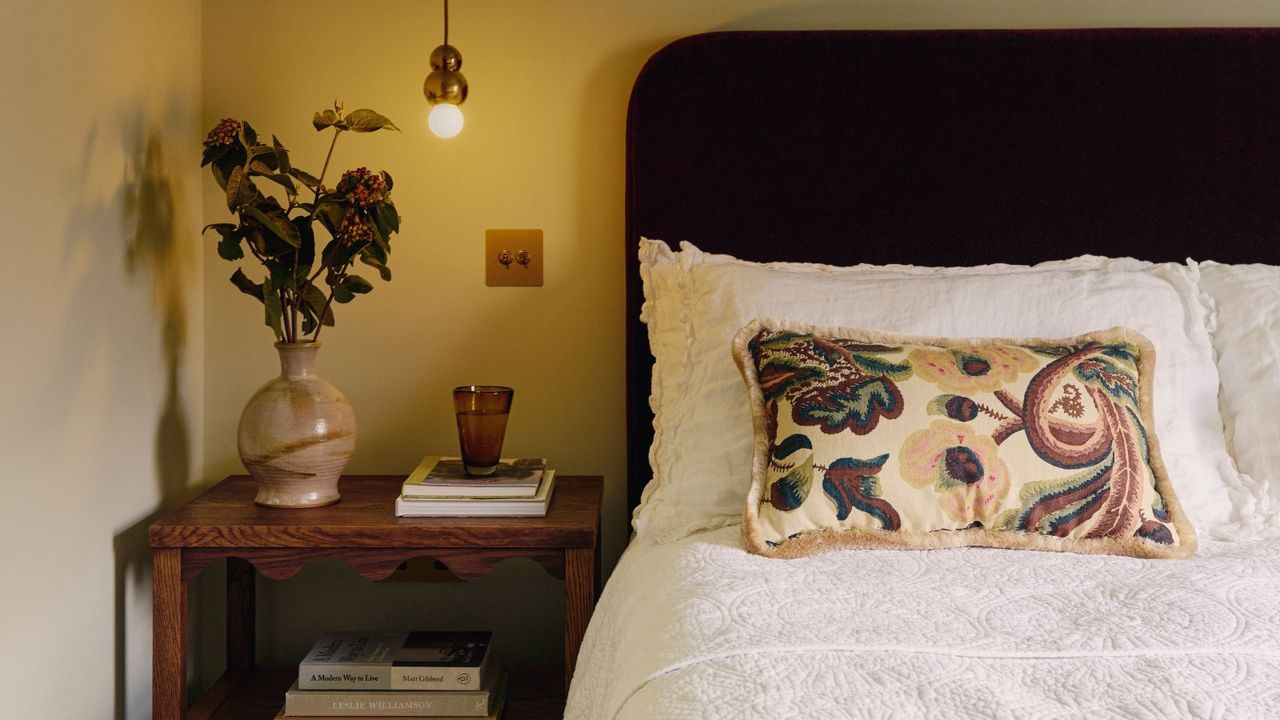
With bedding being one of my ongoing beats, I’m often asked how I – and the rest of the team at Homes & Gardens – actually test the best bed sheets we feature: where we find them, who tests them, and what exactly we’re looking for. So, here’s all you need to know about what we do behind the scenes.
As a self-proclaimed bedding snob, I tend to sample sheets from the heavy hitters – think names like Brooklyn-based darling Brooklinen, celebrity-loved Cozy Earth, and cult-favorite linen label Parachute. It’s not a hard rule, but I usually gravitate toward brands I’ve seen or heard murmurs about. In the age of bot reviews and TikTok-ified everything, I don’t really believe the hype until I’ve lived with it myself. Occasionally, I’ll balance the roster with a budget find from Target or something impossibly decadent from the likes of LILYSILK or Matouk.
Then comes the best part: sleep. I actually live in these sheets. Given the mercurial heating situation in my pre-war NYC apartment, I’ve endured both arctic chills and subtropical warmth – meaning I’ve unintentionally become an expert on thermoregulation.
Each set goes through the same litmus test: texture, temperature, longevity, and style. Beyond that, we weigh the practical details – how they’re made (not all weaves are created equal), whether they’re sustainable, the range of colors and sizes, delivery and care details, and, inevitably, price.
For a set to make it into Homes & Gardens' sheet guides, it needs to score highly across the board – or excel so strongly in one category that it earns a pass elsewhere. In other words: only the truly great (and gorgeously made) survive.
How We Test Bed Sheets: Our Expert Guide
At Homes & Gardens, testing isn’t a one-and-done process; it’s a lifestyle. Myself and the rest of the team actually sleep in every set we review for at least a week (and often two or three), logging a minimum of eight hours a night – or as many as we can manage. We’re never not ‘testing’ something.
Favorites might see more nights in rotation, but that only makes for a more comprehensive review. Like fine wine or a great pair of loafers, sheets need time to break in – and we give them that. During this process, we track updates, both good and bad, and revise our reviews accordingly.
Altogether, it adds up to hundreds of hours of hands-on testing (one-third of our lives, really), all to give you a clear picture of how each set performs in the long run.
Initial Impressions
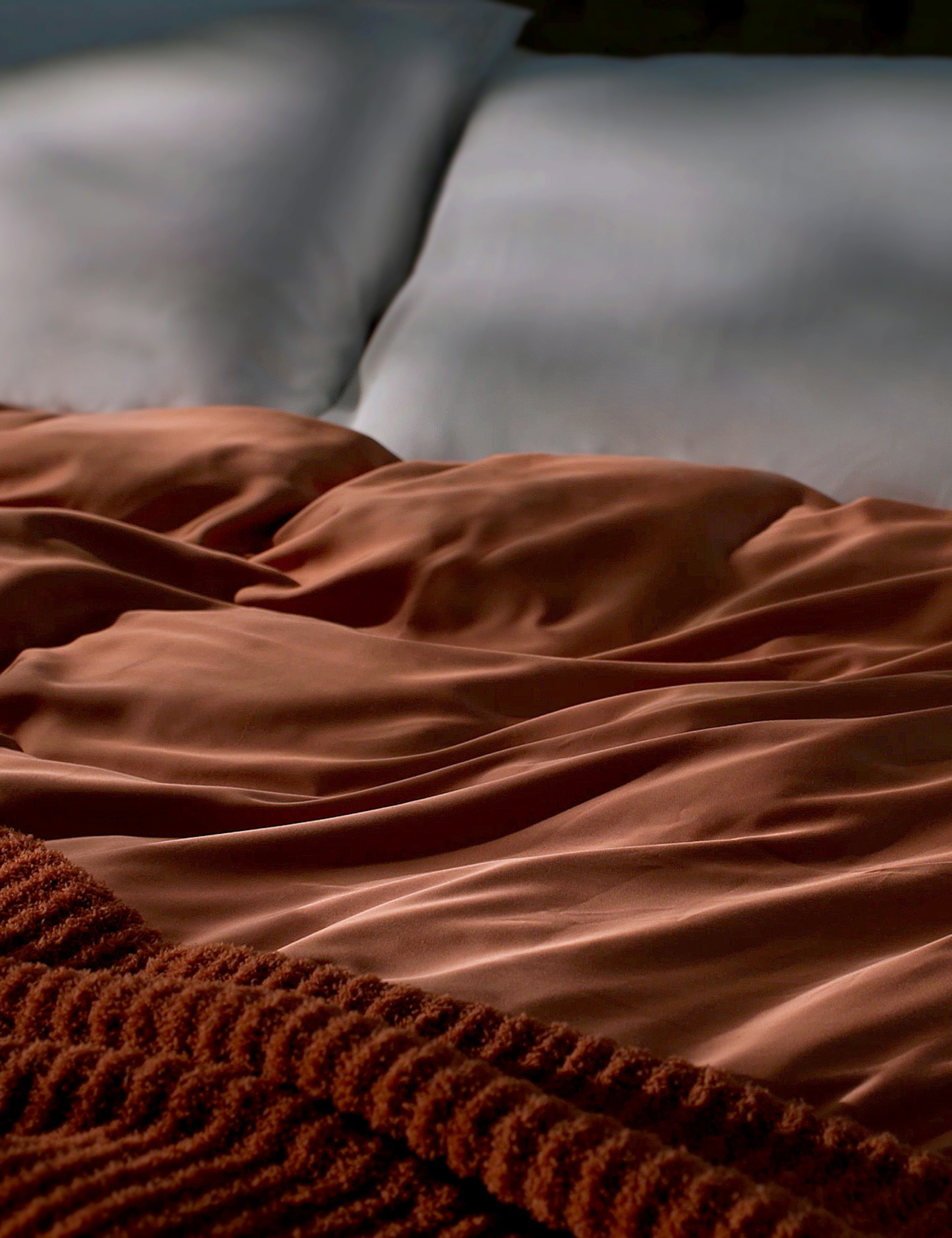
Fresh out of the bag, how do the sheets feel against the skin? Of course, this can change after a few washes, but that first encounter matters – it often determines whether we even want them on our bed in the first place. We start by assessing the surface feel: do they skew rough or silky? Are they prone to wrinkling? How does the color shift under natural versus artificial light (which, surprisingly, can differ wildly from online photos)?
Linen, for example, tends to feel slightly coarse at first touch, though it softens beautifully over time. Its natural wrinkles aren’t a flaw; they’re part of its charm, lending a relaxed, lived-in texture that actually looks better with wear. Bamboo and silk sheets, on the other hand, are smooth – almost slippery – but their breathability and moisture-wicking nature make them ideal for hot sleepers.
Then there are polyester and microfiber blends, which most of us testers agree are among the least appealing materials. Like many synthetics, they often feel scratchy or stiff, with a telltale artificial sheen that catches the light in all the wrong ways. A bargain set might sound tempting, but no one wants sheets that look or feel cheap.
Thermoregulation
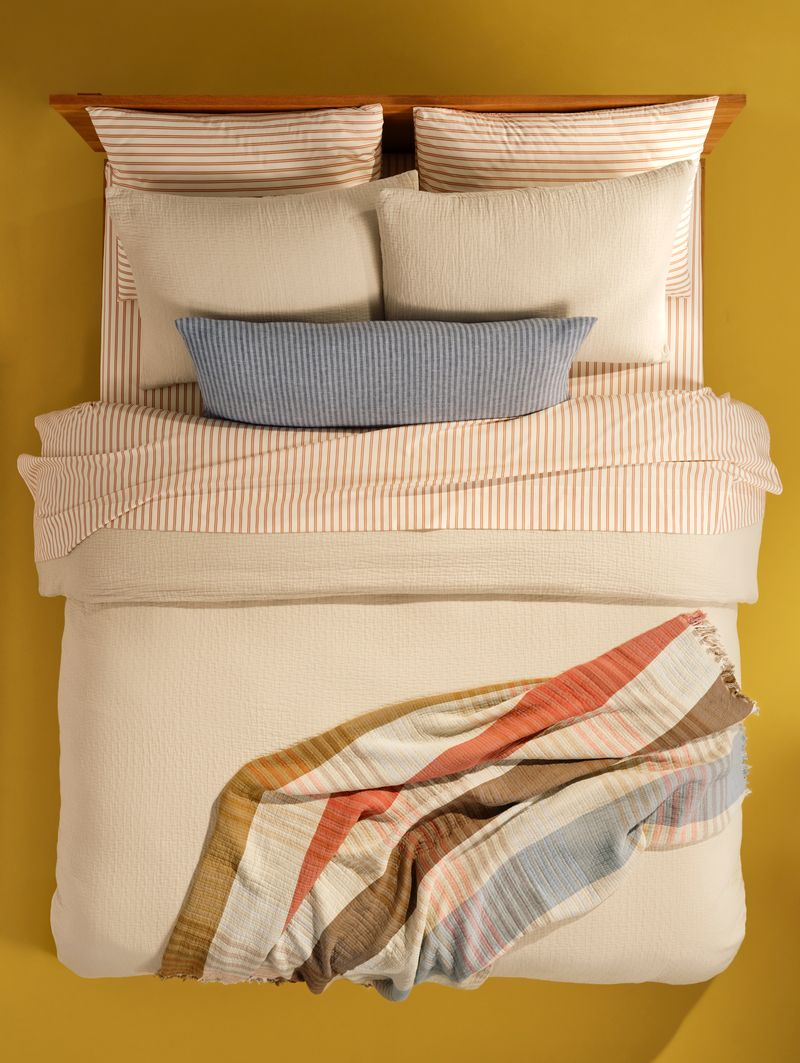
The overall sleep experience often comes down to one overlooked detail: temperature. How hot or cool do we feel in these sheets? Do we forget they’re even there, or do we spend the night kicking and rolling to find the ‘right’ side?
Even if a set isn’t our personal preference, there’s a lid for every pot – our job is to find out which kinds of sleepers each sheet best suits. For those prone to night sweats, hot flashes, or simply living through a humid summer, the best cooling sheets are essential.
Generally, the more breathable the material, the better the sleep. Natural fibers – cotton, linen, bamboo, or silk – regulate temperature far better than synthetics like polyester or microfiber. If overheating is your main concern, narrow your search to moisture-wicking fabrics such as linen, bamboo, eucalyptus, or even wool.
Of course, we don’t take ‘cooling’ claims at face value. We turn off the A/C, sleep through heatwaves and cold snaps, and note every night we wake up sweating (or not). The best sheets should keep you comfortably cool, dry, and ideally, unaware of their existence altogether (the real mark of a great night’s sleep).
Style
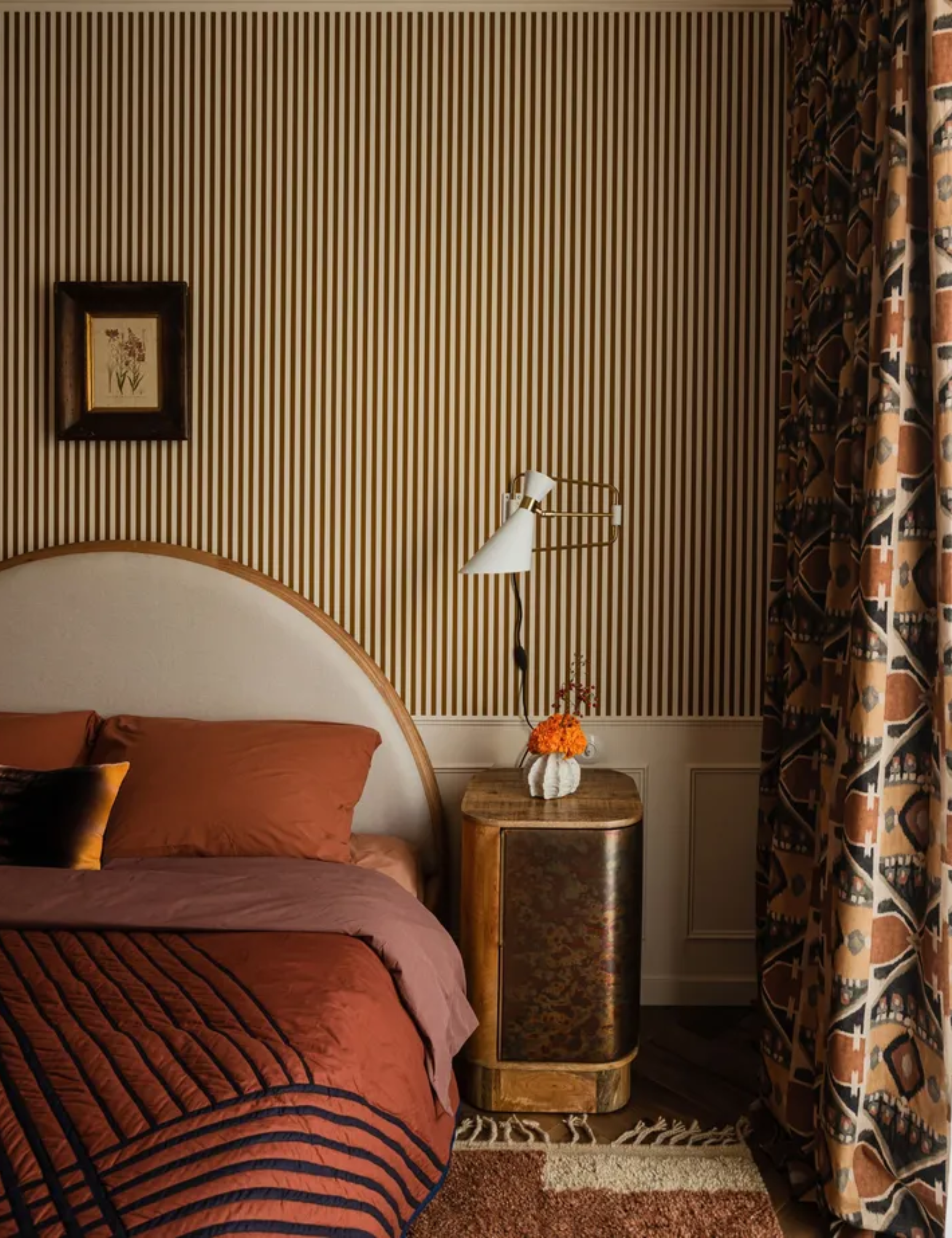
As a Style Editor, I know appearances are everything – which might sound vain when we’re talking about something as essential as sleep, but it matters. Even when we’re not sleeping, we’re in bed: reading, scrolling, taking calls, or tossing clothes into ‘yes’ and ‘no’ piles before dinner. You probably look at your sheets more than you realize, which means they should be beautiful.
Beyond the obvious design details – scalloped borders, ruching, embroidery, or a bold patterned fitted sheet – how your bedding reads visually in the bedroom often comes down to the fabric and weave. Take cotton, the classic. Its two most popular weaves, percale and sateen, might sound interchangeable, but they couldn’t be more different.
Cotton sateen feels silky and smooth, with a subtle sheen and tighter weave that lends that ‘luxury home editorial’ look – and photographs beautifully. Cotton percale, meanwhile, is crisp, cool, and tailored, like a perfectly pressed button-down.
So while bed sheet style might seem obvious – or entirely subjective – it’s actually more nuanced, and to some extent, measurable. We call out the weave, the texture, and the subtle visual cues that make all the difference when you catch it out of the corner of your eye.
Durability

A sheet set can ace the beauty contest – and even pass the initial vibe check – but as we’ve learned in bedding and in life, first impressions only go so far. The real question is: how does it hold up?
To gauge durability, we strip the bed and wash the sheets exactly as the care label directs. (Ignoring that tag, by the way, is one of the biggest bedding laundry mistakes you can make – tumble-drying something that’s air-dry only is a one-way ticket to frayed threads and faded fibers.) It wouldn’t be a fair review if we tossed dry-clean-only silk into the dryer’s inferno, so we test responsibly – and repeatedly.
Once dry, the same sheets go right back on the bed. Do they feel different? And if so, is it good different, or bad different? We look for changes in texture, tone, and saturation – whether the weave still feels intact, whether the finish has dulled, whether the softness has held up. Good sheets shouldn’t lose their luster after a few spins in the wash; if they do, it’s a red flag. Cheap sheets (even with high price tags) start aging from cycle one.
Practical Points

Eventually, it comes down to the less glamorous details – the things that don’t make it into the TikTok or the artfully rumpled bedroom shot that made you want the sheets in the first place.
The first test is so obvious, it seems somewhat silly: do they stay on the bed? You’d be surprised how often they don’t. Few things are more annoying than waking up at 3 a.m. to find a rogue fitted-sheet corner clinging for dear life. I look for deep pockets and strong, all-around elastic – something that can actually handle the thicker mattresses most of us have now.
Next comes maintenance. Washing sheets will never be glamorous, but some make it easier than others. Have I grown tired of dragging a dry-clean-only set to the cleaners? Does a ‘dryer-safe’ fabric actually come out looking air-dried at best, melted at worst? These are the real-world details that separate two excellent sets – and, nine times out of ten, ease wins.
And then, of course, price. Even the best sheets in the world lose their luster if they cost a mortgage payment. I always suggest setting a minimum and maximum budget before shopping – and for reference, we've highlighted both our favorite budget finds and the best luxury bed sheets at the other end of the spectrum.
That said, I’ve learned that spending more on the pieces I interact with daily – like bedding – often makes more sense than splurging on a 70%-off cabana-striped blazer I’ll wear once. Sleep fuels everything: your mood, your focus, your skin, your general ability to function. In that sense, investing in great sheets is cheaper than espresso habits, emergency massages, or vitamin IVs. If paying a little extra for sheets now means designing a bedroom for better sleep (and that you won’t need to replace them for years), that’s a trade I’ll always encourage making.
Our Top 3 Bed Sheets
Taking all of the above into account – and countless nights of actual sleep – these are the standouts that I’d confidently recommend to anyone who owns a bed.
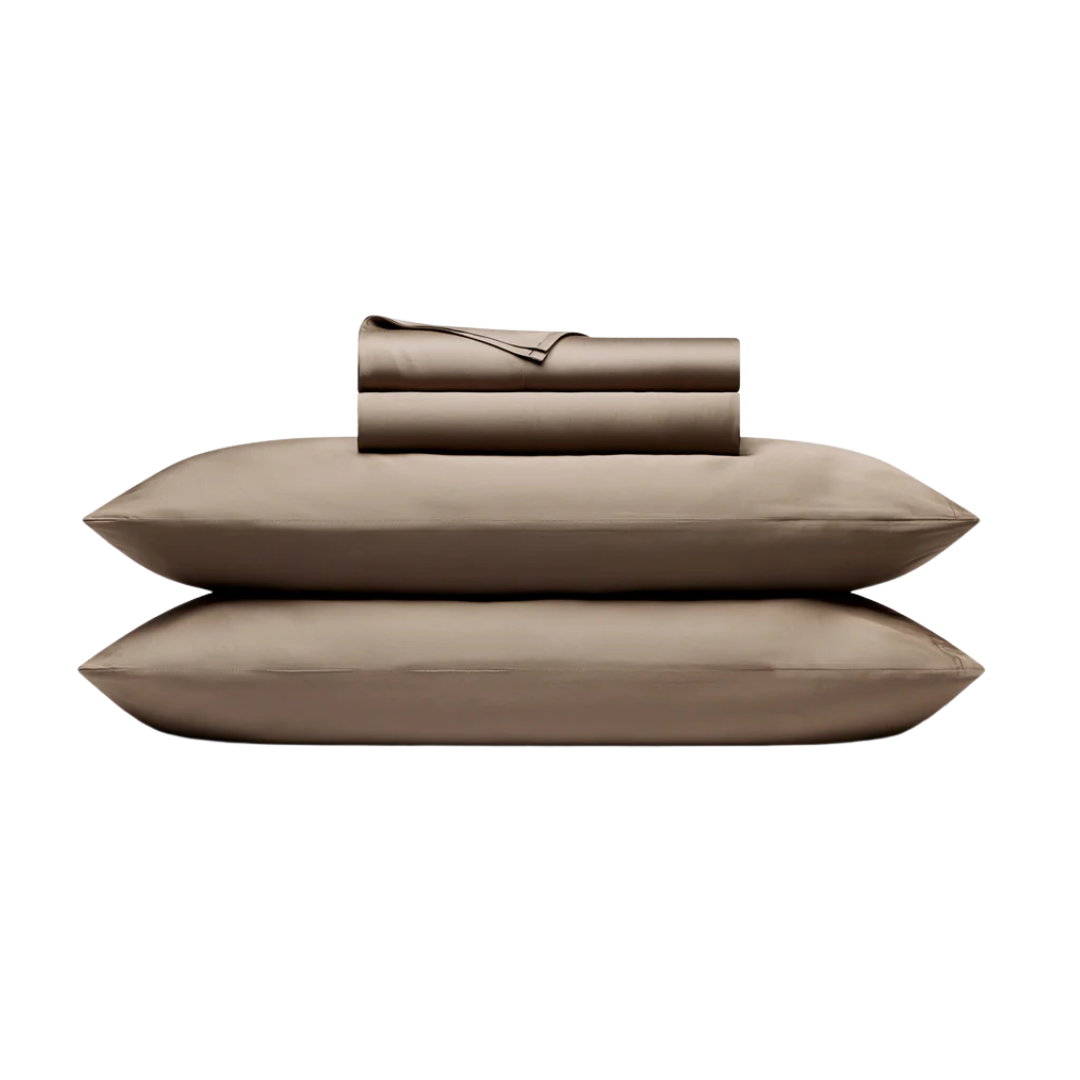
Kris Jenner and Oprah swear by these – and for what it’s worth, so do nearly 9,000 five-star reviewers. Add me to the list. They’re impossibly smooth (softer than silk, somehow), cool against the skin, and get even better with age. I like the muted, grounding color palette – which makes the slight sheen feel all the more luxe – and the fact that they arrive in a reusable canvas tote, which doubles as an overnight bag.
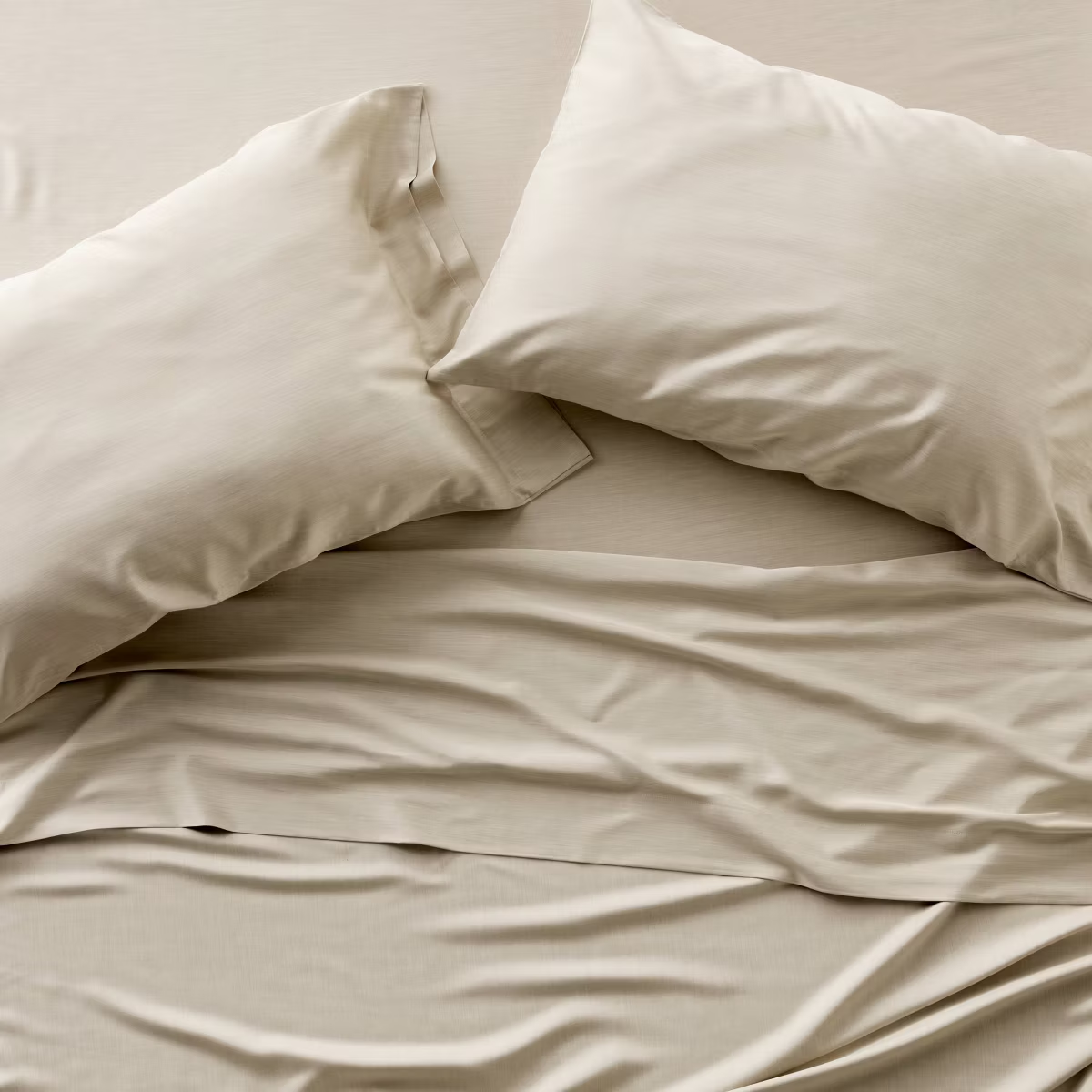
One of the few under-$100 sets that’s ever impressed me comes from Target’s Casaluna line – the one you’ve likely seen all over social media for its nuanced neutrals and elevated fabrications, like this bamboo rayon. I won’t claim it’s a perfect dupe for the luxury viscose versions, but for the price, it’s close enough. Perfect for starter homes, frequent movers, or guest rooms (especially the ones with kids) – anywhere you want nice things without the emotional commitment.
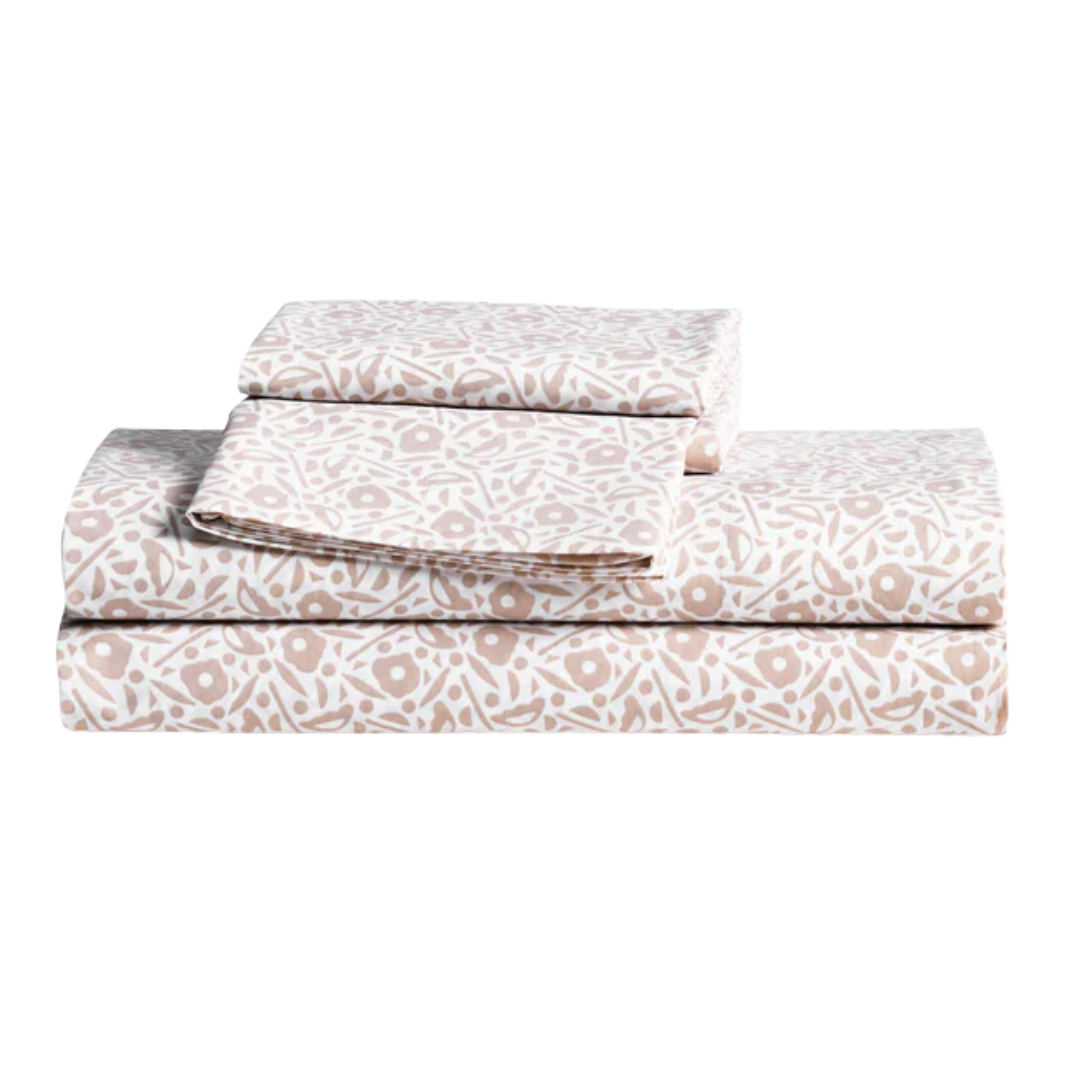
Being crisp, cool, and perpetually fresh, Brooklinen’s Classic Percale sheets are basically ground zero for hotel-caliber bedding. But unlike most hotels, which stop at white and cream, the fan-favorite brand offers an ever-evolving lineup of colors, stripes, and limited-edition collabs to keep things interesting. They take a couple of washes to reach their softest point, but once they do, it’s smooth sailing – and that tailored, just-made look never really fades.
Here for honesty? Head to Homes & Gardens. If there’s one thing we’re not, it’s easily influenced. Social media and a buzz might spark our curiosity, but never our conclusions. We test, we sleep, we critique – then we tell you the truth.