
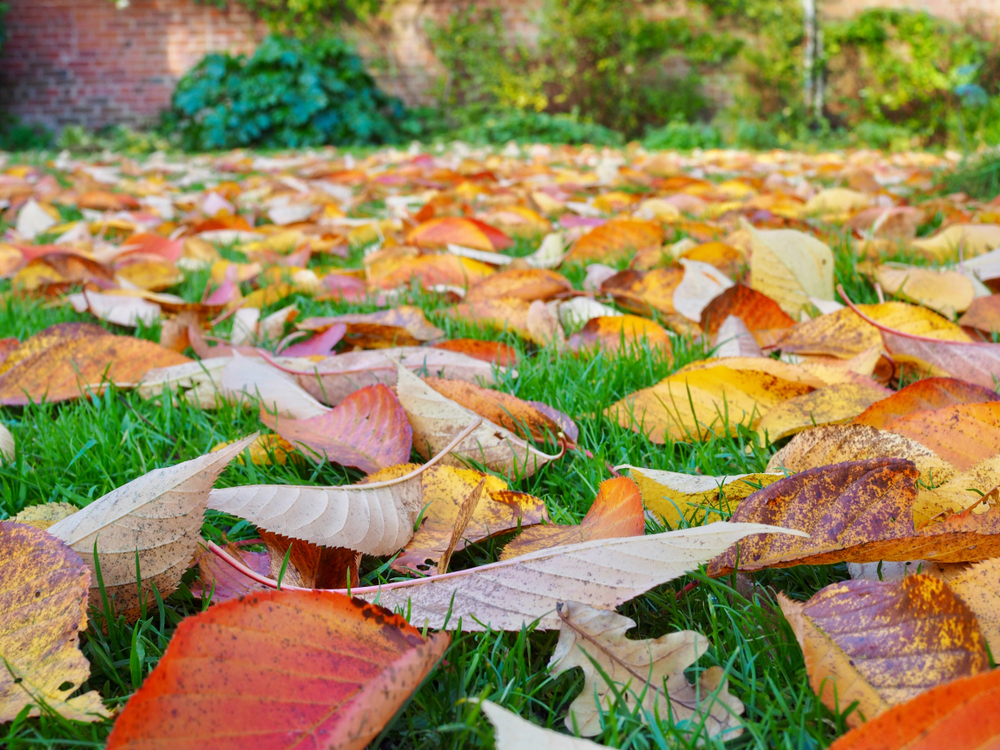
Every fall, homeowners rake up something they may turn around and pay to replace a few months later. Fallen leaves contain organic matter and nutrients, yet millions of gardeners treat them as waste before buying bags of mulch, compost, and soil amendments in spring. In fact, Penn State estimates that the leaves from one large shade tree can provide as much as $50 worth of plant food and humus. Instead of dragging that value to the curb, you can use fallen leaves in the garden in several ways that improve soil, protect plants, suppress weeds, and potentially reduce next year’s garden expenses. The trick is knowing when to shred them, when to compost them, and when leaving some leaves alone is actually the better choice.