Get all your news in one place.
100’s of premium titles.
One app.
Start reading
Frugal Gardening
Frugal Gardening
Brandon Marcus

How to Turn Fallen Leaves Into Black Gold Compost

Image Source: 123rf.com

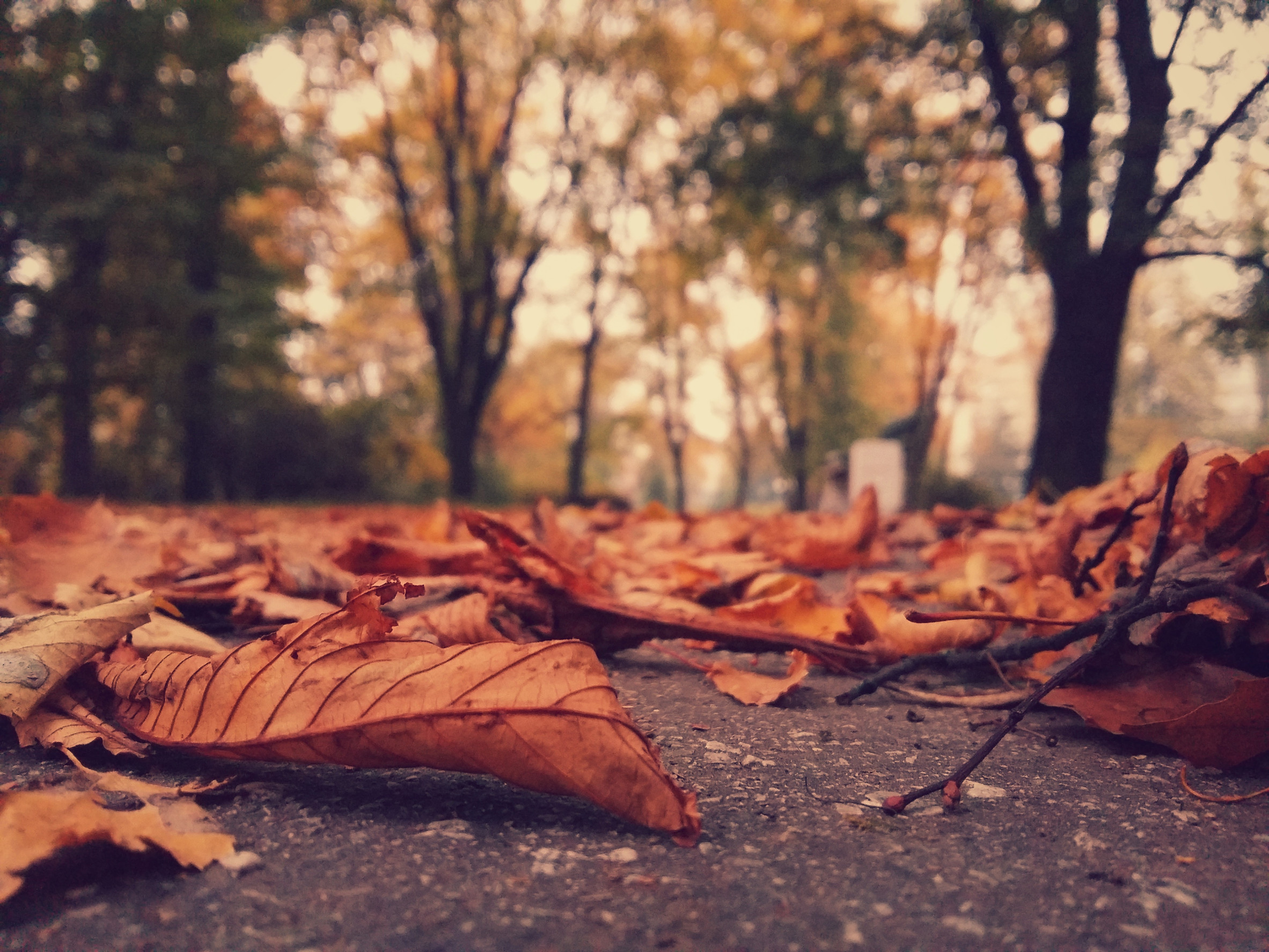
Every fall, yards across the country transform into seas of crunchy, colorful chaos. Homeowners grab rakes, sigh deeply, and start bagging leaves like it’s some kind of seasonal punishment. But what if you knew that all those “useless” leaves were actually hiding a secret treasure? Spoiler alert: they’re not yard waste—they’re nature’s version of buried gold.

Welcome to the world of composting, where those piles of leaves can be transformed into rich, nutrient-packed soil known as “black gold.”

The Hidden Value Beneath the Pile

It’s easy to see fallen leaves as a nuisance, but they’re actually packed with organic matter your garden craves. When decomposed properly, they become a nutrient-rich compost that improves soil structure, water retention, and plant health. Leaves contain carbon, which is the “brown” ingredient essential for a balanced compost pile. Paired with nitrogen-rich materials (the “greens,” like kitchen scraps and grass clippings), you’ve got the perfect recipe for success. Instead of hauling them to the curb, think of those leaves as the foundation for next year’s lush, thriving garden.

Start by Shredding—Your Compost Will Thank You

Whole leaves take forever to break down, so give your compost a head start by shredding them. You can use a leaf shredder, a lawn mower, or even just stomp on them with your feet—it’s oddly satisfying. Smaller pieces mean more surface area, which helps microbes break them down faster. Think of it as pre-chewing your compost food—it just makes digestion easier. Shredded leaves also create better airflow in your compost pile, reducing the risk of slimy, soggy messes.

The Perfect Brown-to-Green Ratio

Composting is like cooking: too much of one ingredient, and the whole recipe flops. Leaves are high in carbon, so you’ll need to balance them with nitrogen-rich materials like fruit peels, coffee grounds, or grass clippings. Aim for roughly three parts brown (leaves) to one part green (fresh scraps). Mix them thoroughly to keep the compost “cooking” evenly. If your compost smells like a swamp, add more browns; if it’s dry and lifeless, toss in more greens—it’s all about balance.

Keep It Moist, But Not Soaked

Your compost pile should feel like a damp sponge—moist enough to support microbial activity but not dripping wet. If it’s too dry, decomposition slows to a crawl; too wet, and you’ll end up with a stinky sludge. Fall weather can be unpredictable, so check the pile regularly and add water or dry leaves as needed. Covering it with a tarp can help regulate moisture levels. Remember: microbes are doing the hard work here, and like any living thing, they need the right conditions to thrive.

The Magic of Turning and Aerating

Just like humans need air, your compost pile needs oxygen. Turning the pile every few weeks helps introduce air, speed up decomposition, and prevent unpleasant odors. A pitchfork or compost aerator works great for mixing everything up. When the pile steams in cool weather, it’s a good sign that microbial activity is heating things up! Regular turning ensures even breakdown and keeps the compost looking more like rich soil and less like yesterday’s salad.

Image Source: 123rf.com

Patience Is the Secret Ingredient

Composting isn’t instant gratification—it’s a slow, natural process that rewards patience. Depending on temperature, moisture, and materials, it can take anywhere from a few months to a year to fully mature. The wait is worth it, though: when your compost turns dark, crumbly, and smells like a forest floor, you’ve struck black gold. You’ll notice fewer leaf bits and more earthy texture—that’s your cue it’s ready. Remember, even if it takes time, you’re turning waste into wealth right in your backyard.

Using Your Finished Black Gold

Once your compost is ready, the possibilities are endless. Mix it into your garden beds to boost nutrients, spread it as mulch, or use it in potted plants for an organic fertilizer kick. It improves soil texture, helps retain moisture, and attracts beneficial organisms like worms. Think of it as a superfood smoothie for your plants—they’ll reward you with vibrant growth and better yields. Every handful you add to your garden represents one less bag of waste in the landfill.

Leaf Mold: The Lazy Gardener’s Secret Weapon

If full-on composting sounds like too much work, try making leaf mold instead. Simply pile up your leaves in a corner, moisten them, and let nature handle the rest. Over time—usually about a year—they’ll decompose into a dark, crumbly material that’s perfect for improving soil structure. Leaf mold doesn’t have the same nutrient content as compost, but it’s unbeatable for moisture retention. Plus, it’s nearly effortless—perfect for gardeners who prefer to let Mother Nature do the heavy lifting.

Eco-Friendly and Cost-Effective

Turning your fallen leaves into compost isn’t just good for your garden—it’s good for the planet. By composting, you reduce waste sent to landfills, lower methane emissions, and cut back on the need for chemical fertilizers. It’s a win-win for your wallet and the environment. Instead of buying expensive soil conditioners, you’re creating your own for free. Composting turns autumn cleanup from a chore into an eco-friendly act of creativity and sustainability.

Turn Fall Mess Into Spring Treasure

So, the next time you’re tempted to curse those falling leaves, remember—they’re the start of something beautiful. With a little effort, patience, and know-how, you can transform piles of autumn debris into rich, garden-boosting black gold. Composting is part science, part art, and completely rewarding once you see your plants thriving from your own handiwork.

Have you tried composting your leaves before? Share your experiences, tips, or even your composting fails in the comments below.

You May Also Like…

11 Trees With Leaves Worth Collecting for Mulch

How to Spot Perennials That Need Dividing Now

5 Fall Weeds You Should Pull Immediately

8 Compost Ingredients That Break Down Faster in Fall

Use These 8 Winter Composting Tips for Gardeners


The post How to Turn Fallen Leaves Into Black Gold Compost appeared first on Frugal Gardening.

Sign up to read this article
Read news from 100’s of titles, curated specifically for you.
Already a member? Sign in here
Related Stories
Top stories on inkl right now
One subscription that gives you access to news from hundreds of sites
Already a member? Sign in here
Our Picks
Fourteen days free
Download the app
One app. One membership.
100+ trusted global sources.