
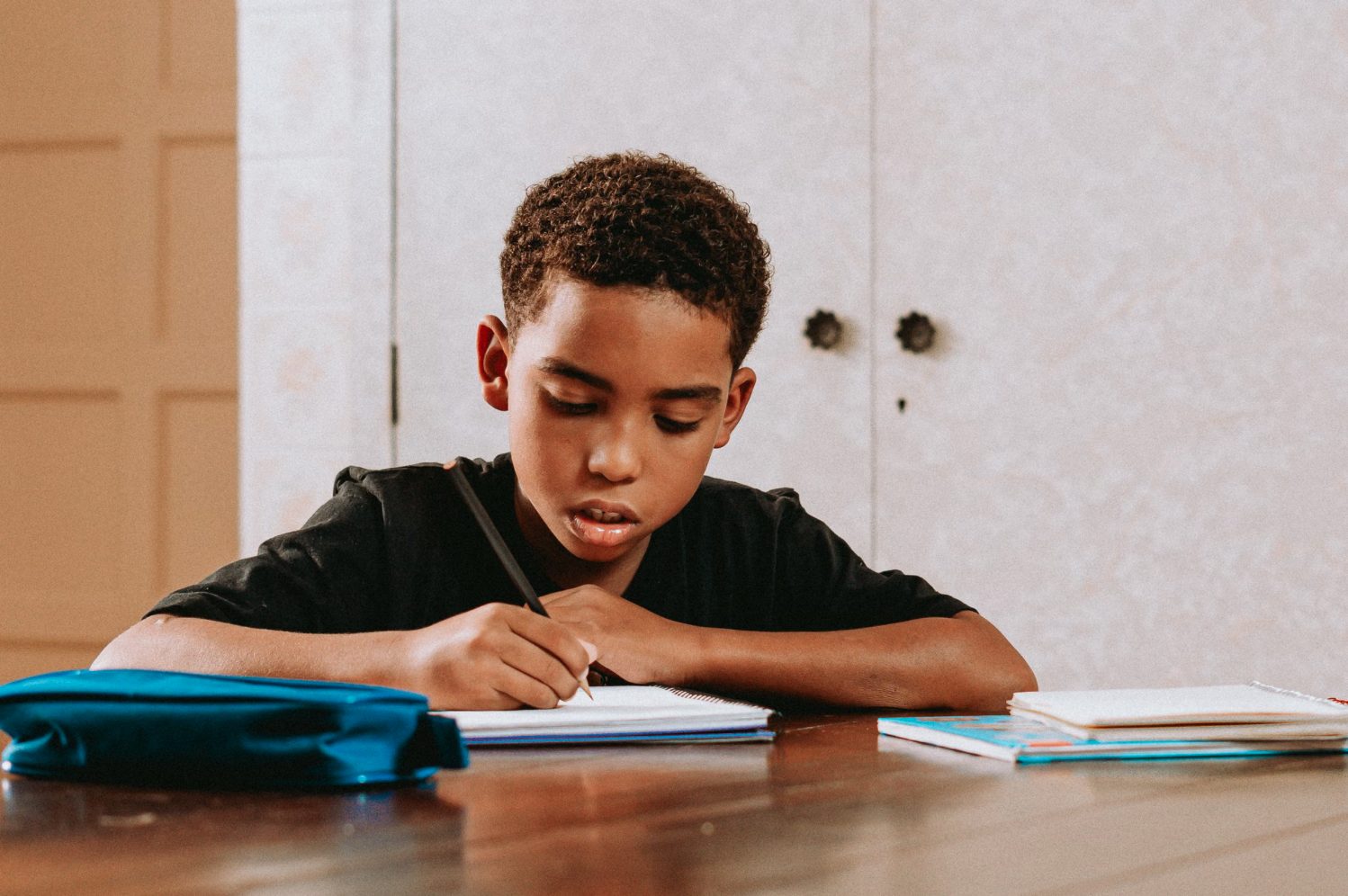
An Individualized Education Program can contain pages of evaluations, services, accommodations, and goals, but the wording of those goals deserves especially close attention. Measurable IEP goals give families and educators a practical way to determine whether a student is actually making progress over time. A statement such as “will improve reading skills” may sound positive, yet it leaves important questions unanswered about the skill being measured and the expected result. Stronger goals identify what the student will do, under what conditions, and how success will be measured. Still, no single phrase determines whether an IEP is adequate, so families should consider the goal alongside evaluations, present levels, services, progress data, and the rest of the educational record.