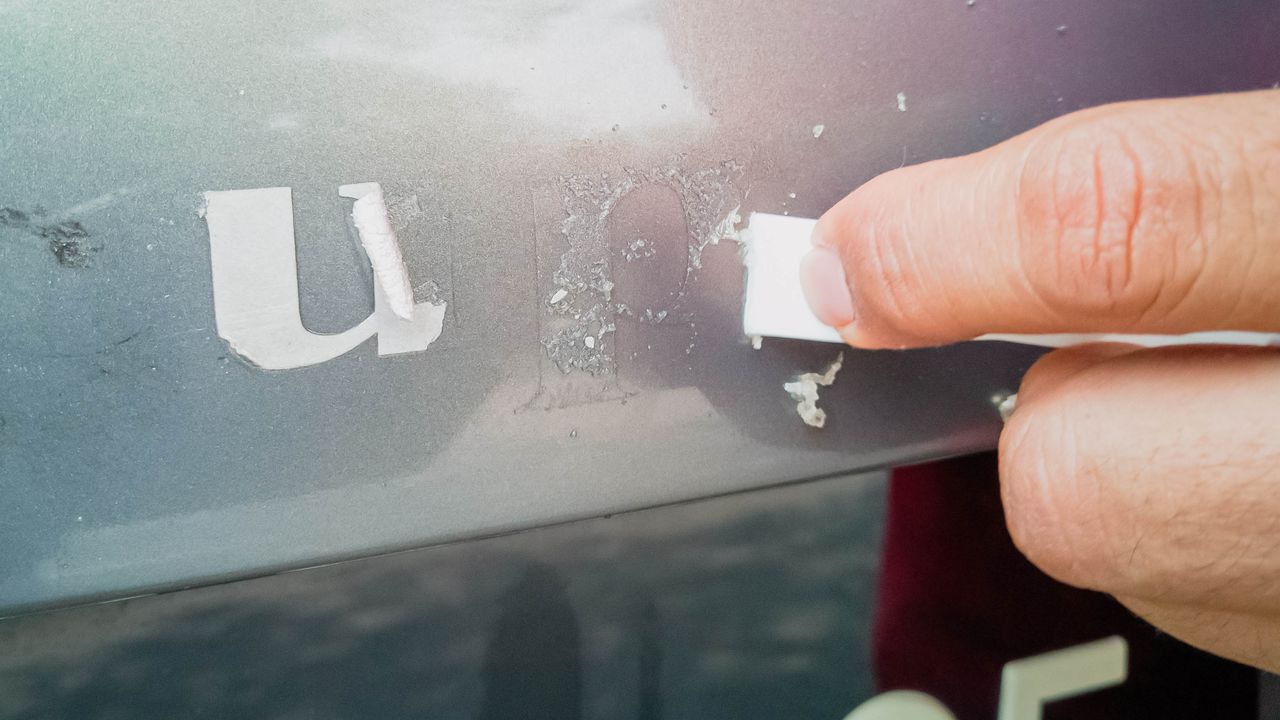
Whether you're recycling jars, cleaning up new purchases, or dealing with children's creative decorating, removing stickers from glass can be frustratingly difficult. Those adhesive labels that seem so helpful in stores become nuisances once they've served their purpose, often leaving behind stubborn residue that's hard to eliminate.
The good news is that you don't need specialized products or excessive scrubbing to restore your glass to pristine condition. With a few household items and the right techniques for each type of glass surface, you can easily remove even the most stubborn stickers without scratching or damaging the glass underneath.
1. Window glass and mirrors

Large flat glass surfaces require gentle methods to avoid streaking or scratching. For window glass and mirrors there are two methods you can try. The first is, simply, the warm soapy water method.
Start by mixing a few drops of dish soap with warm water in a spray bottle. Thoroughly spray the solution directly onto the sticker and surrounding area, making sure to completely saturate the adhesive. Allow the soapy solution to soak for 5-10 minutes, giving it time to penetrate beneath the sticker and loosen the adhesive bond.
Once the sticker has softened, gently scrape it away using a plastic card, such as an old gift card or store loyalty card. Work slowly from one edge toward the center to prevent scratching the glass. Finally, wipe the entire surface clean with a lint-free microfiber cloth to prevent streaking.
Window glass and mirrors (stubborn residue)

For more persistent stickers, create a solution of equal parts white vinegar and warm water. Next, soak a soft cloth in this mixture until thoroughly wet but not dripping. Press the vinegar-soaked cloth firmly against the sticker and hold it in place for 10-15 minutes, reapplying more solution if needed to keep the area saturated.
The mild acid in the vinegar will break down the adhesive compounds over time. After soaking, slowly wipe away the loosened sticker and residue with the cloth, using gentle circular motions. To eliminate any lingering vinegar smell, finish by cleaning the entire window with a commercial glass cleaner, wiping in horizontal then vertical strokes for a streak-free finish.
The large surface area of windows makes them particularly prone to streaking, so always work in a shaded area to prevent premature drying and always finish with a proper window-specific cleaning solution.
2. Food jars and bottles

Recycling glass food containers often requires dealing with persistent label adhesive designed to withstand moisture and handling. To remove stickers on your glass jars or bottles, try the hot water soak method first.
Begin by filling your sink or a large bowl with hot (not boiling) water and add a generous squirt of grease-cutting dish soap. Next, you're going to completely submerge the jar for 15-20 minutes, allowing the hot water to penetrate behind the label and loosen the adhesive. While the jar is still warm from the water, grasp one corner of the label and slowly peel it off—it should slide away with minimal resistance.
If you encounter any stubborn sections, return the jar to the hot water for a few more minutes before trying again. For any remaining sticky residue, simply rub the area with your fingers or a soft cloth while the glass is still warm, as the heat keeps the adhesive pliable and easier to remove.
Food jars and bottles (stubborn residue)

When dealing with particularly stubborn adhesive residue on jars, apply a small amount of cooking oil, olive oil, or baby oil directly to the affected area. To prevent spillages, you can always apply the oil to a cloth or cotton ball first.
Allow the oil to sit undisturbed for 5-10 minutes, giving it time to penetrate and break down the adhesive compounds.
Once the oil has had time to work, wipe away the loosened residue with a paper towel using firm, even pressure. To finish, thoroughly wash the jar with dish soap and warm water to remove any oil residue, which is especially important if you plan to reuse the jar for food storage.
The curved surface of jars makes them particularly challenging, but the hot water soak is especially effective because it attacks the adhesive from all angles simultaneously while the heat softens even the most stubborn glues.
3. Picture frame glass

The thinner glass typically used in picture frames is more susceptible to thermal shock and pressure damage, so always handle with care and avoid applying excessive force during the cleaning process.
Carefully remove the glass from the picture frame before beginning the cleaning process to avoid damaging the frame or any artwork. Set your hairdryer to medium heat and hold it approximately 3-4 inches away from the sticker.
Direct the warm air at the sticker for 30-60 seconds, moving the dryer slightly to heat the entire adhesive area evenly. As the adhesive warms and softens, carefully lift one corner of the sticker with your fingernail or the edge of a plastic card. Then slowly continue peeling the sticker away from the glass, keeping the hairdryer directed at the separation point as you work.
If you encounter resistance, apply more heat rather than using force, which could crack the glass. Once the sticker is removed, clean up any remaining residue.

Follow Tom's Guide on Google News and add us as a preferred source to get our up-to-date news, analysis, and reviews in your feeds. Make sure to click the Follow button!