
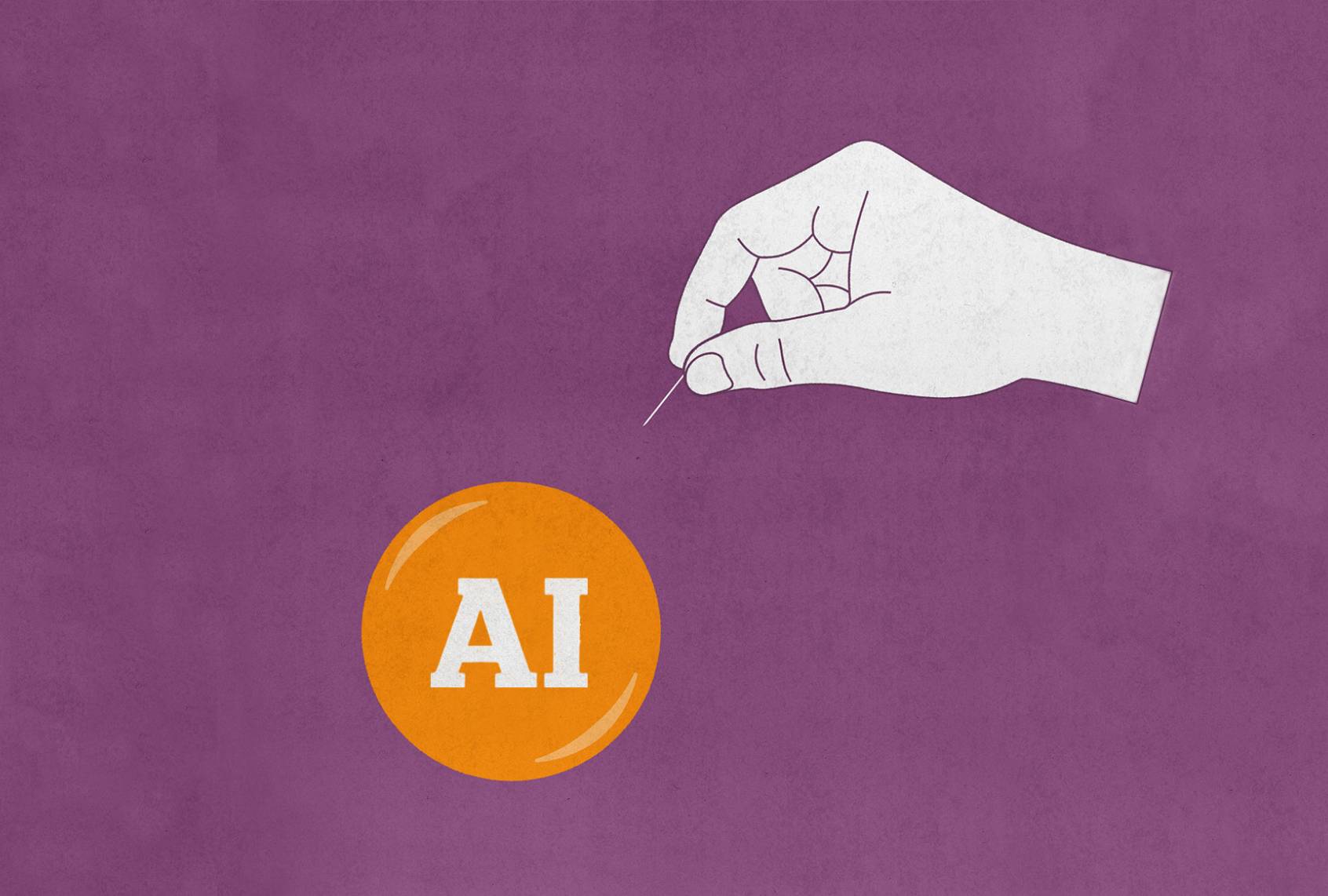
Nostalgia is supposed to take at least a decade or more to kick in, but nowadays people are already pining for just a few years ago, before the president was drenching us in crappy AI memes and reply guys were asking Grok what they should believe. For better or worse — and we all know it’s for worse — artificial intelligence has become a part of everyday life. Kids are using AI for much more than just school, whether parents know it or not, and nearly every company on the S&P 500 is experimenting with the tech in some way, riding a tsunami of layoffs as bosses replace their workers with chatbots. Even the pope is dropping hot takes on the topic, decrying the “new forms of slavery” that AI threatens us with.
The negativity is overwhelming. Only 16% of Americans predict AI will be positive for society, according to recent polling from Pew Research — the rest voted negative (40%) or equally good and bad (31%), while 13% were unsure. But have we forgotten that AI is just a tool? Like any technology, from rockets to medications, it matters who uses it and how. Rockets can be used for space exploration or for bombing villages. Drugs can be healers or poisons. Most people understand that AI tech can be used to ruin our lives or improve them, but at this point the constructive use cases seem few and far between. Between the deluge of data centers that represent a stunning environmental and financial crisis at the same time and the use of AI for mass surveillance and war crimes, pessimism seems warranted.












