
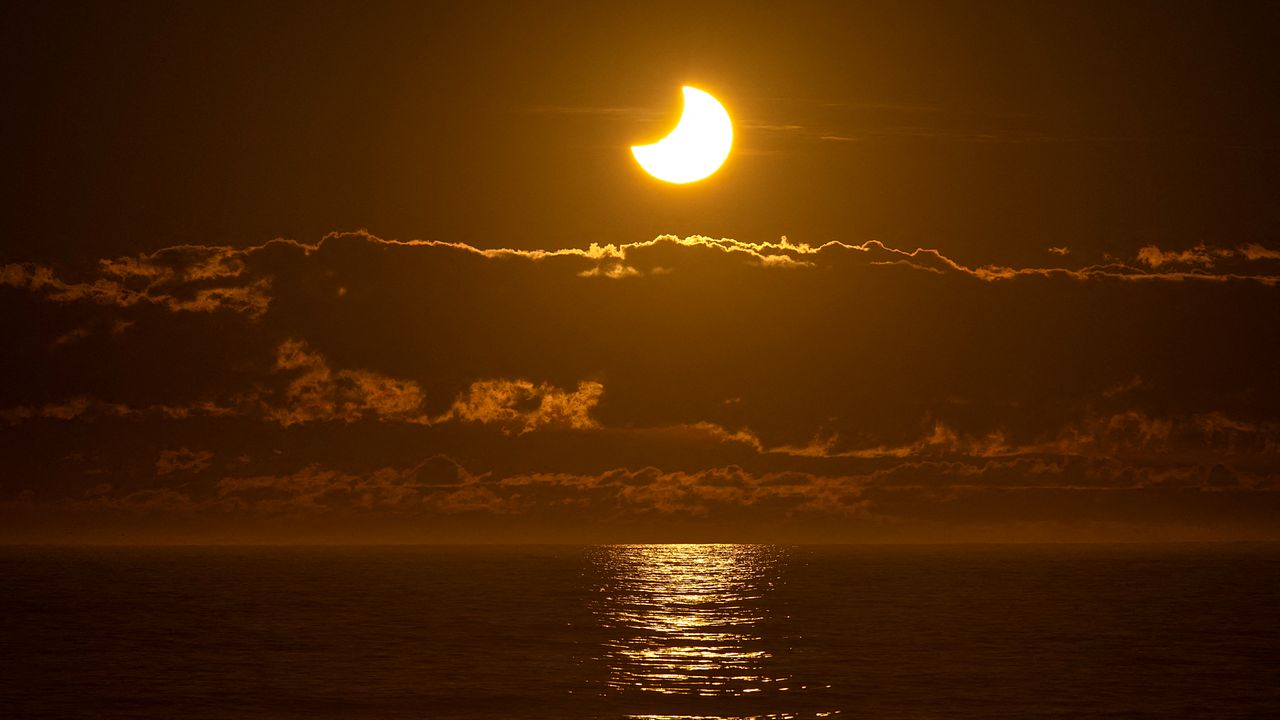
If you’re an astrophotographer looking for an exciting and unique project, go get a calendar and put a ring around Wednesday, August 12, 2026. On that day — after lunch in North America and just before sunset in Western Europe — the sun will be eclipsed by the moon. Depending on exactly where you are, it will range from something relatively minor to a landmark celestial event for the ages. But regardless of where you are in the Northern Hemisphere, after dark, the annual Perseid meteor shower will reach its peak beneath moonless skies — and in peak Milky Way season.
Do you travel for the eclipse? Or head to dark skies for the meteor shower? On August 12, you can do both. Sure, the eclipse and the Perseids have different observing requirements, but they both reward the exact same approach. Here’s how to make a plan for an entire day and night of shooting the sky.














