
Get all your news in one place.
100’s of premium titles.
One app.
Start reading
Homes & Gardens
Homes & Gardens
Joel Worthington

How to Hook a Generator Up to Your House Safely – Simple Tips From a Master Electrician to Protect Your Home from Outages

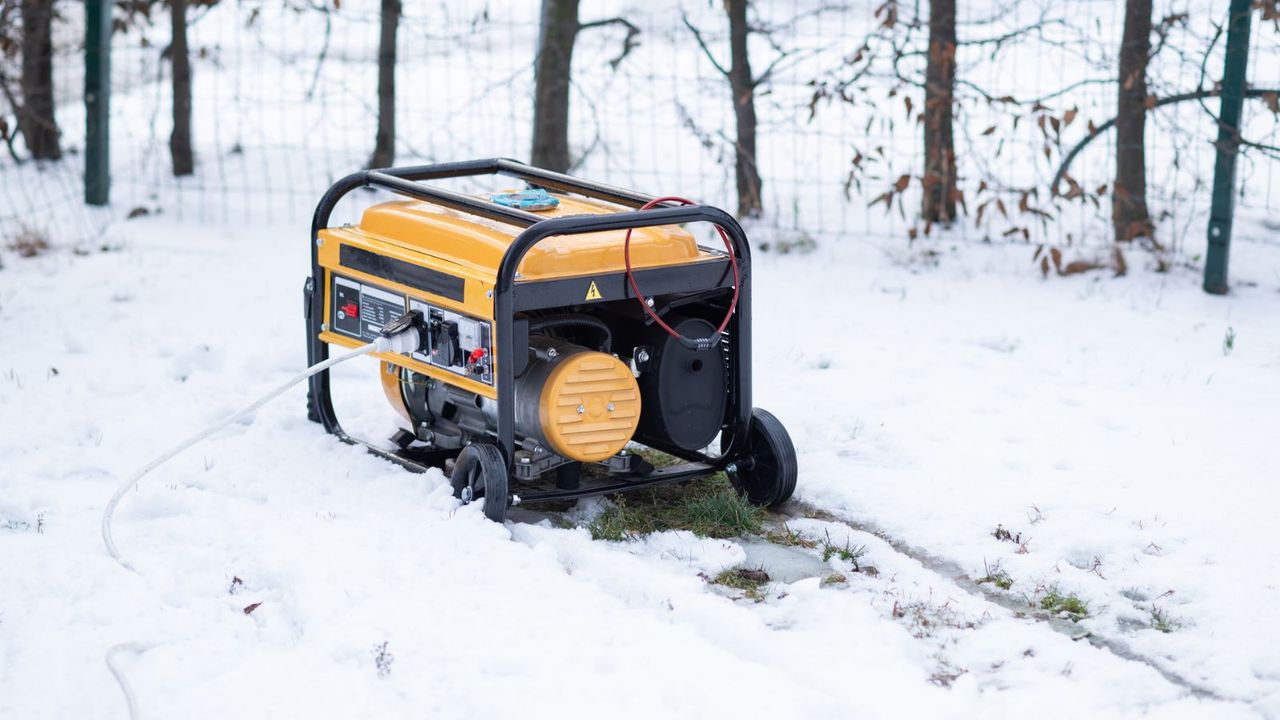
Black and yellow backup generator in a snowy yard. There are trees in the background and metal mesh fence in view.

When winter storms, high winds, or unexpected grid maintenance knock out electricity, being able to hook up a backup generator can be a real lifeline. It keeps critical systems running so you can stay warm, cook safely, and maintain lighting during outages that can last hours or even days across many parts of the US this time of year.

As a master electrician, I know that installing a generator is not always straightforward. Understanding how to safely and efficiently hook up a generator to your home is essential to prevent equipment damage, fire hazards, or serious injury. In this guide, I will walk you through the process step by step so you can approach the installation with confidence and avoid common mistakes.

Whether you are preparing your home for a power cut or simply want the reassurance that comes with backup power during storm season, learning how to connect an external power supply can help keep your household running when the grid goes down.

An Electrician's Guidance on How to Hook a Generator Up to Your Home Safely

With increasingly volatile and lengthy weather patterns across the US – studies show that extreme weather is becoming more common across the US – it's more important than ever to prepare your home, be it for a thunderstorm or snowstorm.

Part of this plan for your household may be to install a generator so you can continue to have vital electrical utilities and heating during in outages.

How you hook up a generator to your home will depend on the type of generator you choose:

  • Portable generators: These are often suitable for DIY use in the US, provided you follow proper safety guidelines and local recommendations. Many portable models are designed to run appliances directly using heavy-duty extension cords, available at The Home Depot, rather than being tied into your home’s electrical system. This approach avoids backfeeding risks and eliminates the need to work inside a panel, which is typically safer for homeowners without an electrician background and especially useful during short-term outages caused by storms or utility repairs.
  • A standby generator is a household project you should not DIY or handle yourself, as it requires permits, code-compliant wiring, and a professionally installed transfer switch. A licensed electrician will ensure the system is safely connected, fueled, and regularly tested so it can reliably power essential circuits and heat a home when the power is out during US outages.

Here are the simple steps I advise you to follow.

1. Prepare the Space Properly

You'll need to clear and prepare the area you have chosen to install and hook up your generator to avoid fire and other risks. (Image credit: Getty Images / onurdongel)

Before installation, prepare the area where the generator will run. Portable generators that use gasoline or other fuels should be placed at least 20 feet away from your home, with the exhaust facing away from doors, windows, and vents to reduce the risk of carbon monoxide exposure.

Never operate a generator in a garage, basement, or near open windows, even if doors are open. Proper placement and airflow are key steps to make your home emergency-ready, especially during storm-related outages.

Next, shut off the power at the main breaker before connecting any equipment. This prevents dangerous backfeeding into the utility grid, which can damage appliances and put people at serious risk during restoration efforts.

2. Use a Transfer Switch

Safety steps should not be skipped. Having a transfer switch is vital, so don't forget this. (Image credit: Getty Images / Makidotvn)

A transfer switch allows your home to safely shift from utility power to generator power during an outage, directing electricity only to selected circuits such as heating or lighting. This prevents backfeeding and protects both your home and utility workers, making it a critical safety component during extended outages.

A manual transfer switch is the safest and most common option for US homeowners and should be installed by a licensed electrician. Installation typically costs between $1,200 and $1,600, depending on local labor rates and materials.

While generators usually power only a limited number of circuits, this is often sufficient to keep essential systems running and winterize your house during cold-weather emergencies.

If you are using a portable generator, you will also need an adequate fuel supply and heavy-duty extension cords rated for generator use.

Generator power cords, often called 'gen cords' (available at The Home Depot), are built for outdoor conditions and safely connect appliances or an inlet box to the generator.

Always confirm your generator’s load capacity before use, as overloading reduces efficiency and is a common fire risk. Having the right kind of fire extinguisher at home is a smart step in installation.

Reading the manufacturer’s manual in full helps prevent easily avoidable hazards.

3. Connect the Generator

Follow manufacturer's instructions to avoid damage or risk. (Image credit: Getty Images / JJ Gouin)

Regardless of the portable generator you choose, always follow the manufacturer’s instructions exactly, as setup and operating steps can vary by make and model. This is especially important during emergency use, when rushed decisions can lead to unsafe connections or equipment damage.

When a transfer switch is installed, setup typically involves connecting a generator-rated power cord from the switch outlet to the generator before starting the unit.

Making this connection first helps ensure a controlled startup and reduces the risk of electrical faults when power is applied.

4. Allow the Generator to Run Before Plugging Anything In

Much like starting your car and allowing it to warm up and run for while before driving off, allowing your generator to run for a bit will ensure smoother operation and better longevity for your unit. (Image credit: Getty Images / Dzurag)

Start the generator and allow it to run for several minutes so the engine can stabilize before adding any electrical load. This warm-up period helps protect internal components and ensures consistent power output, which is especially important during cold or wet weather conditions common during US outages.

Next, connect a small appliance to confirm the generator is producing power. Listen for steady operation, watch for warning lights, and confirm there are no unusual sounds that could indicate a problem.

If you are using a transfer switch, energize selected circuits one at a time and plug in appliances gradually. This step-by-step approach helps prevent overloading and reduces the risk of tripped breakers or damage to sensitive electronics.

What to Shop

Meet the Expert

FAQs

Should you turn off your main breaker when using a generator?

For safety, always turn off your main breaker before operating a generator. This prevents overloading your home’s wiring, which can start a fire, and stops backfeeding, where electricity flows back into utility lines and puts both you and power workers at serious risk.

What size portable generator is needed to power a house?

The size of the portable generator you need depends on your home’s square footage and essential power requirements. For most US households, a generator producing 5,000 to 8,000 watts is sufficient to run critical systems like heating and lighting, keeping your home safe and functional during an outage.

Whilst a generator can get your power back up and running, there are certain things you should unplug in a power outage to avoid costly damage. You should also fill up the bathtub in a storm in case utilities are disrupted.

Having a backup battery can also be vital in a power outage.

Sign up to read this article
Read news from 100’s of titles, curated specifically for you.
Already a member? Sign in here
Related Stories
Top stories on inkl right now
One subscription that gives you access to news from hundreds of sites
Already a member? Sign in here
Our Picks
Fourteen days free
Download the app
One app. One membership.
100+ trusted global sources.