
Get all your news in one place.
100's of premium titles.
One app.
Start reading
Homes & Gardens
Homes & Gardens
Rebecca Lawton

How to Cool Plants in the Summer Heat – Expert Ways to Reduce Stress on Your Shrubs and Flowers When Your Balcony Heats Up

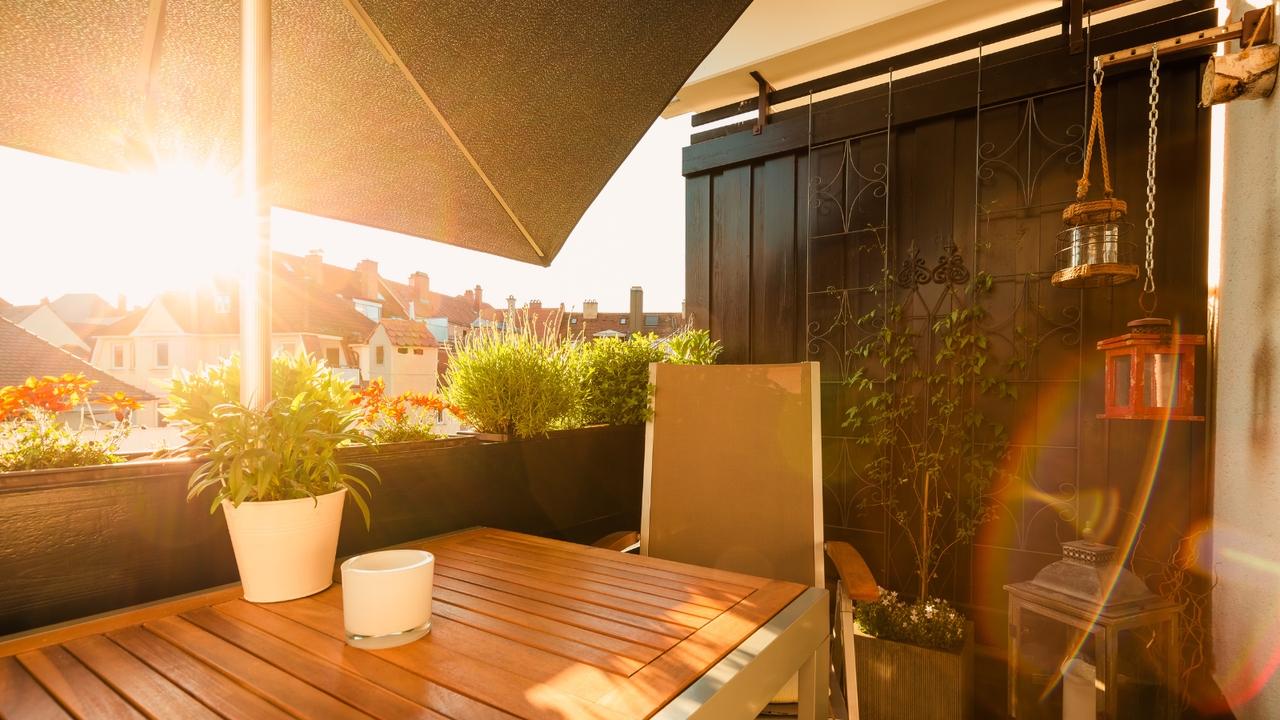
Small balcony with plants and sunshade in urban area.

In the height of summer, balconies and corners of small yards can quickly become a heat-trap – especially in dense, urban environments, such as New York, Los Angeles, Miami and Dallas. Built from concrete, stone, tiles and metal, these are materials that absorb heat during the day and continue to radiate it long after the sun goes down.

As well as being uncomfortable to sit in, designers say this effect can place stress on container plants, drying out soil quickly and creating growing conditions that are difficult to manage without constant watering and care.
Just like thermal garden designs, the good news is there are simple, effective ways to cool your balcony plants, and reduce heat stress without it becoming a full-time pursuit. Here, we detail expert ways to keep your plants cooler when the temperatures soar.

Balcony Microclimates

'The biggest mistake I see is treating a balcony or rooftop terrace like a ground-level garden,' says Kat Aul Cervoni, landscape designer and founder of Staghorn NYC Landscape Design. 'These spaces are often significantly hotter, windier, and drier than people realize because they're surrounded by heat-reflecting surfaces like concrete, brick, glass, and metal.'

This can have a major impact on both plant choice and the watering needs which can leave gardeners feeling overwhelmed once temperatures rise.

'Addressing your mini microclimate can help make plant selection easier,' Kat adds.

As well as strategic planting, designers say there are a number of clever tricks and techniques used in balcony garden ideas that can help keep the space cooler during the hottest months.

Group Pots to Slow Moisture Loss

(Image credit: Tim Sandall/RHS)

One simple trick that can help plants cope with extreme heat is to move containers closer together. While it won't lower temperatures dramatically, grouping pots creates a small microclimate that can reduce heat stress and slow moisture loss.

When plants are clustered together, their leaves naturally shade one another and help protect pot surfaces from direct sun. This is particularly beneficial for container plants, where compost and roots can become much hotter than the surrounding air.

'It's a simple trick that benefits both the plants and the people enjoying the garden,' says Kat. 'It gives a beautiful layered planting look that I love having in my rooftop designs when space allows.'

Plants also release water vapour through transpiration, which slightly increases humidity around the group and can have a modest cooling effect. As an added benefit, a cluster of pots is less exposed to drying winds, helping compost stay moist for longer.

For the greatest benefit, arrange larger plants around the outside of the group and position smaller or more delicate specimens in the centre, where they will be sheltered from the harshest sun.

Use Dense Planting To Cool The Space Naturally

(Image credit: Getty/Gallo Images)

One design trick that doesn't cost much but can make a noticeable difference is to actually increase your planting.

Plants can naturally increase shade, which also helps to cool your space more naturally.

According to landscape contractor Coleman Cosby, think more, not less when it comes to balcony plants.

'Plants are often the least expensive elements in a landscape,' he says. 'They can help add shade and humidity, as well as a lush visual cue that can have a psychologically cooling effect.'

Because balconies are typically exposed, sun-facing spaces, carefully chosen planting can also act as a natural buffer against direct sunlight. And while, arguably, there might be less room to add greenery than a traditional garden, outdoor garden expert Loren Taylor says it is possible to create a cooler, more comfortable balcony.

'A balcony without greenery is like a car without air conditioning; it's best when you create a combination of plants and materials to cool down the balcony,' he says.

'A pergola with climbing plants can reduce direct sun exposure by up to 60 per cent,' adds Coleman.

Loren recommends choosing tall containers with dense plants such as bamboo, oleander or even homegrown tomatoes to create the biggest impact. These create a natural screen from the sun, while adding moisture to the air.

Multiplex Bamboo is available from Fast-Growing Trees.

What to Shop

Bamboo screening can over denser shade and more protection for your smaller plants from the intense summer sun, plus it grows really well in pots.

Tall containers in a light color, such as these white planters, are ideal for a hot balcony or courtyard. They'll help reflect the sun, whilst give your plants more height to create shade.

A potted olive would be my choice for adding dappled shade to a balcony, without compromising on style. Olives are perfect for hot and dry conditions, too.

Keep Containers Cool With Automated Irrigation

(Image credit: Future / Carolyn Barber)

Even the best planting and shade ideas can only do so much if containers are regularly drying out. Because balconies are typically hotter, windier and more exposed than ground-level gardens, pots can lose moisture more quickly during the height of summer.

'Container gardens dry out so so so much faster than in-ground gardens, and during a heat wave it's surprisingly easy to lose plants after just a day of missed watering,' says Kat.

For this reason, she recommends taking a proactive approach to watering plants.

'There are some very simple faucet-connected drip systems on a timer that deliver water directly to the root zone while minimizing waste,' she says. 'From a materials standpoint, these are inexpensive and relatively easy to purchase and implement.'

This Quick-Connect Drip Irrigation System Kit from Amazon is designed for container gardens, delivering water directly to plant roots.

In the same way as you would keep houseplants cool in a heatwave, you can also mist your balcony plants early in the morning or on an evening, to help increase humidity.

This large garden mister from Amazon is battery powered, and would make light work of this job.

You can buy self-watering plant potters, such as this one from Wayfair.

Mulch as a Cooling Material

(Image credit: Larisa Stefanuyk / iStock / Getty Images Plus / Getty Images)

Beyond irrigation, Kat also recommends applying a one-to-two-inch layer of mulch over container soil.

'It can significantly reduce moisture loss and help moderate soil temperatures during periods of extreme heat' she says.

By covering the surface of the soil or compost with organic materials such as compost, bark chips, leaf mould, or straw, you can help to insulate the root zone from extreme temperatures and significantly reduce moisture loss through evaporation.

As an added-bonus, mulch (such as this Back to the Roots mulch, from Amazon) gives planters a more finished appearance, while helping to prevent soil from splashing out during watering or heavy rain.

By combining shade, strategic planting and consistent watering, it's possible to cool a balcony, even in the hottest climates.

Love inspiring garden ideas, outdoor advice, and the latest news? Sign up for our newsletter and get the latest features delivered straight to your inbox.

Golden Bamboo 2 Round Tall Planters Arbequina Olive Tree
Sign up to read this article
Read news from 100's of titles, curated specifically for you.
Already a member? Sign in here
Related Stories
Top stories on inkl right now
One subscription that gives you access to news from hundreds of sites
Already a member? Sign in here
Our Picks
Fourteen days free
Download the app
One app. One membership.
100+ trusted global sources.