Get all your news in one place.
100's of premium titles.
One app.
Start reading
The Conversation
The Conversation
Christopher P. Davey, Lecturer in Political Science, Binghamton University, State University of New York

How to conduct post-atrocity research – key insights from practitioners in the field

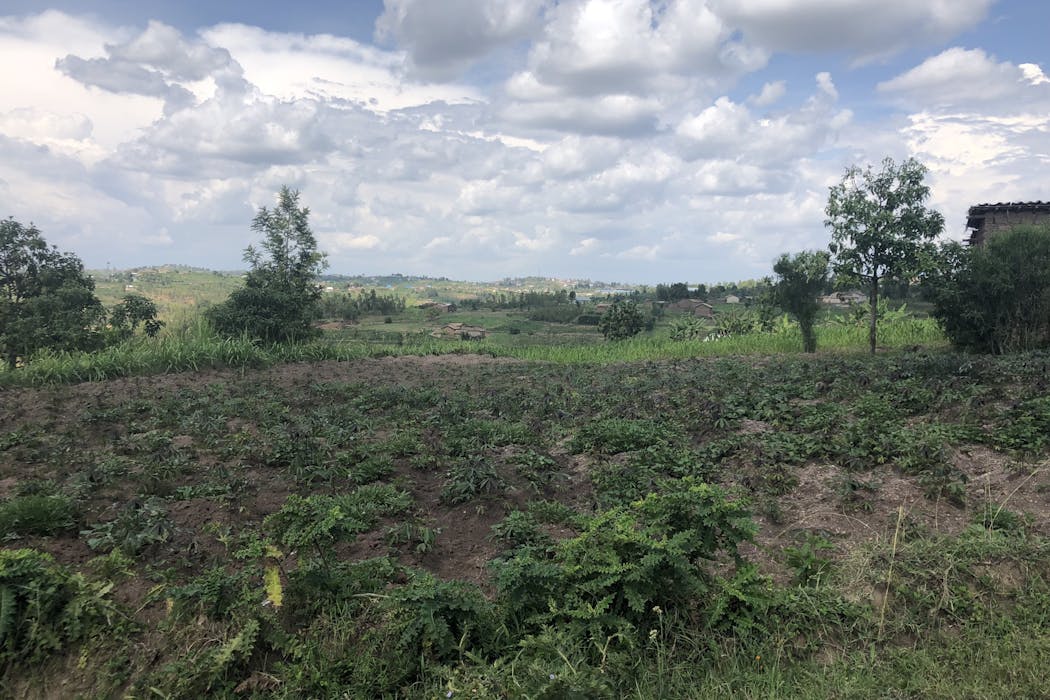
Ruhango, Rwanda – the site of massacres during the 1994 genocide. Nicole Fox, CC BY-SA

From Gaza to Myanmar and Sudan, communities around the globe continue to suffer the consequences of war, civil strife and sectarian violence. Indeed in 2024, 111 countries experienced some form of mass atrocity against civilians.

While it is crucial to support these communities now through humanitarian aid and pressure on parties to end the violence, it is also important to continue the work once the fighting has ended by documenting the atrocities and elevating the voices of victims and survivors. Doing so helps the process of reconciliation and peace-building.

Sign up to read this article
Read news from 100's of titles, curated specifically for you.
Already a member? Sign in here
Related Stories
Top stories on inkl right now
One subscription that gives you access to news from hundreds of sites
Already a member? Sign in here
Our Picks
Fourteen days free
Download the app
One app. One membership.
100+ trusted global sources.