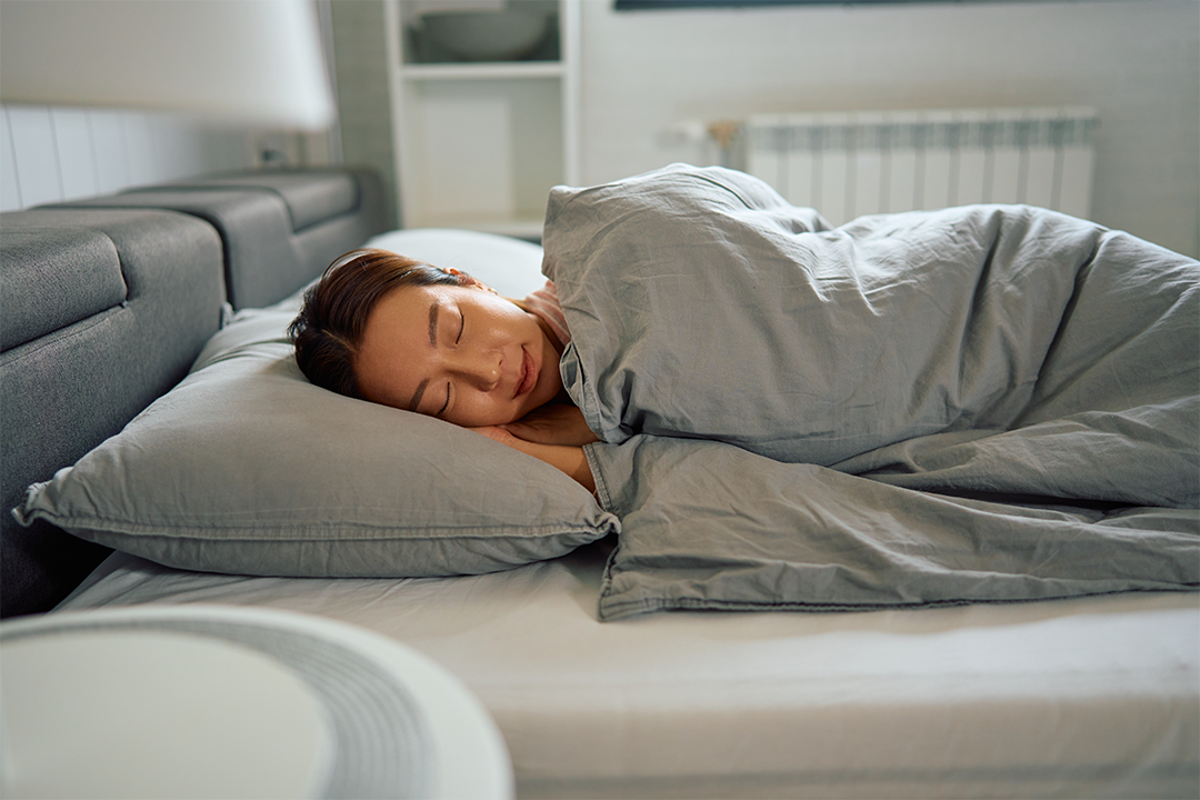
There are lots of different boxes to tick when shopping for a mattress depending on your needs and preferences, from minimal motion transfer (great if you have a wriggly co-sleeper) to good temperature regulation, but sleeping position is one the most talked about. If you’re a side sleeper and wondering what to look for, here’s everything you need to know about choosing the right mattress for you.
Side sleeping is the most common sleeping position and to get a better understanding and a fuller picture of exactly what side sleepers should look for in a mattress (and how important this really is when shopping for a mattress), we went straight to the experts.

For this specialist-led guide, we gleaned mattress buying tips and musculoskeletal insights from physiotherapists and mattress and sleep experts. Keep reading for what you need to know, from the right mattress firmness, fillings and more for side sleeping.
Read more: 9 best mattress toppers for a comfortable night’s sleep, tried and tested
Mattress firmness for side sleeping

For side sleepers, physiotherapist Nell Mead recommends opting for a medium to soft mattress. “Side sleeping is generally one of the healthier positions, but it can create pressure hotspots at the shoulder and hip – the two widest points of your body”, she says. “A mattress that's too firm or too thin won't allow those points to sink in enough, so you end up lying on them rather than being more evenly supported by the mattress.”
While a thicker mattress is generally better no matter your sleeping position, this is particularly important if you’re a side sleeper. This is because you’re lying on harder parts of your body compared to when you’re sleeping on your front or your back, which dig into your mattress.
You don’t want the mattress to be too hard, but you need to strike a balance. “We want it to be soft but we don’t want it to be saggy”, Mead says. “If it’s so soft that it’s no longer supportive, you’ll basically drop to the bottom of the mattress and it’ll feel uncomfortable”.
Read more: 8 best pillows for 2026, tested for every kind of sleeper
However, the importance of sleeping position shouldn’t be overestimated. Mattress Online’s sleep scientist Hannah Shore says mattresses are not designed for sleeping positions, but rather for support and feel. “Your sleeping position is very important when choosing a pillow, but not as important as we think when we are choosing a mattress”, she says. Shore says we should “look at our unique body shape and size to get the right firmness” as well as our “sleeper needs” for the filling (more on that later).
Mead corroborates Shore’s advice: “Body weight matters more than people realise when choosing a mattress”, says Mead, corroborating Shore’s advice. “Someone who’s very light won't compress a firm mattress enough to get into that comfortable 'cradle', so they'll often need to opt for a mattress at the softer end of the bell curve. Conversely, a heavier person may sink too far into a soft mattress, so medium-firm tends to serve them better even if they prefer to sleep on their side.”
Support for side sleeping
Support is crucial for spinal alignment. “The goal for a side sleeper is to keep your spine in a straight, horizontal line from head to tailbone”, Mead explains. This comes down to striking the right balance: “Your mattress needs to be soft enough to accommodate your shoulder and hip, but firm enough underneath to support you”. Nell says memory foam and hybrid mattresses “often perform well here because they contour to your shape”.
Tempur pro plus smartcool mattress

Best: memory foam mattress
If you’re looking for a memory foam mattress then Tempur’s pro plus smartcool mattress, our best memory foam mattress overall, could be a great option for you. It comes in four tensions, too, so whether you think you’ll get on well with a softer or a firmer mattress, there’s a tension to suit.
In our review of the Tempur pro plus smartcool mattress, tester Samuel Mathewson, said: “Lying on this mattress feels like you’re being held in place, almost floating. The mattress adapts to my body, and I find I settle quickly before sleep.”
Buy now £1499, Tempur.com
Simba’s hybrid pro
.png)
Best: hybrid mattress
In terms of the best hybrid mattresses, Simba’s hybrid pro is a standout option. In her review of the Simba hybrid pro, tester Fran Watts said: “Sleeping on my side, I feel supported through my shoulders and hips without sinking.”
The mattress ticked lots of boxes for Fran as a side sleeper and she said: “If you want a mattress that feels supportive yet hugs all the contours of the body, and is also fairly reasonably priced, Simba’s hybrid pro is definitely worth considering.”
Buy now £1199, Simbasleep.com
Without adequate support, your body and even your sleep can see the impact. Ricardo Silva, musculoskeletal sports physiotherapist and partner of Physique Management, says “poor alignment during side sleeping can increase strain through the neck, lower back, and hips – especially in very active individuals. Over time, this can affect sleep quality and recovery.”
Mattress fillings for side sleeping
Side sleepers need good pressure relief from their mattress. Shore says that memory foam is “designed for maximum pressure relief” and to “hug and mould to your body in whichever position you sleep in”, but that “those who sleep on their sides may find this particularly comfortable”. Gel foam is another good option – especially good for side sleepers it offers “excellent pressure relief” and “provides a softer feel from the start [compared to memory foam] with a springy bounce back feel for instant pressure relief no matter your sleeping position”.
Read more: 14 best duvets, expert-tried and tested
While normal foam (rather than memory foam, and can also be called reflex foam) is another option, Shore says that it “may not offer as much pressure relief as softer foams, so people who sleep on their side may notice pressure points around their shoulders and/or hips” when sleeping on it. Polyester may also be less comfortable for side sleepers. It “tends to be firmer with little pressure relieving qualities” which means side sleepers may “find a build up of pressure, particularly around the shoulder and hip area”, Shore advises.
Again, there are no hard and fast rules here. “Choosing the right comfort layer depends on how you sleep”, Shore says, noting factors including whether you overheat, get restless or you have aches and pains.
For recommendations, read our tried and tested review of the best mattresses for 2026