Get all your news in one place.
100’s of premium titles.
One app.
Start reading
GOBankingRates
GOBankingRates
John Csiszar

How the Overturn of Trump’s Canada Tariffs Will Impact Your Wallet

Bonnie Cash / Pool via CNP / SplashNews.com

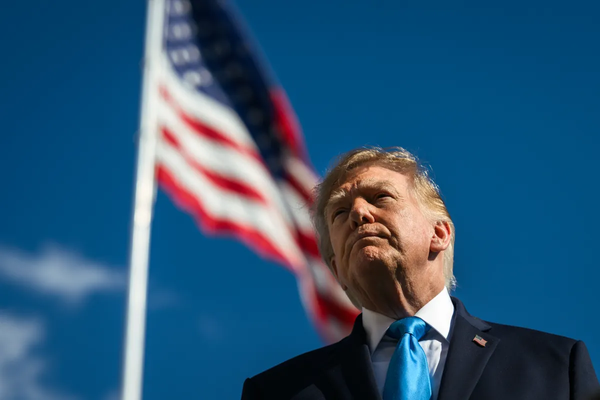
On Feb. 20, the U.S. Supreme Court struck down most of President Donald Trump’s sweeping tariffs on a variety of global trading partners, including Canada. The 6-3 majority ruling could lower prices on some international goods, easing the burden on American households, but economists warn that relief may be slow to come, if it arrives at all.
The Court’s Opinion

The ruling did not strike down all of the tariffs levied by the Trump administration. Instead, the Court ruled specifically against tariffs imposed under the International Emergency Economic Powers Act, or IEEPA.

The majority ruling noted that no president before Trump had used the IEEPA “to impose any tariffs, let alone tariffs of this magnitude and scope,” and that doing so “would represent a transformative expansion of the President’s authority over tariff policy.”

Read More: When Trump Says He Has ‘Solved’ Inflation, This Is What It Means for You

Find Out: How Middle-Class Earners Are Quietly Becoming Millionaires — and How You Can, Too

Will Tariffs Be Refunded?

According to Bloomberg, over 1,000 companies have already sued the government over the tariffs they have paid, and many more may enter the arena due to the Supreme Court’s decision. This could result in an outlay of close to $130 billion by the U.S. Treasury, according to data from U.S. Customs and Border Protection.

However, in his dissenting opinion, Justice Brett Kavanaugh wrote: “The Court says nothing today about whether, and if so how, the Government should go about returning the billions of dollars that it has collected from importers.”

If companies do successfully reclaim the money they spent on tariffs, it’s possible that consumers will benefit from lower prices.

However, that depends on how individual companies respond. Some may simply retain the funds instead.

What Happens Now?

Even if the government is forced to refund the money it collected from IEEPA tariffs, it doesn’t likely spell the end of the president’s tariff campaign.

In addition to tariffs not covered by the Supreme Court’s ruling, the White House has previously claimed that it has additional legal means to impose tariffs. Even dissenting Kavanaugh wrote that the Feb. 20 ruling “is not likely to greatly restrict Presidential tariff authority going forward.”

What You Can Do

Although the exact effects of the ruling remain uncertain, here are some steps you can take now:

  • Don’t postpone major purchases in hopes of steep discounts; stick to your normal buying timeline.
  • Keep an eye on retailers over the next 3-6 months to see if any prices fall.
  • If you’re a business owner who imports goods, talk to your customs broker or CPA about potential actions.

In short, don’t expect immediate price cuts. Price relief, if any, would likely take months to filter through supply chains. Still, if companies pass savings along, the decision could modestly ease inflationary pressure later this year.

Editor’s note on political coverage: GOBankingRates is nonpartisan and strives to cover all aspects of the economy objectively and present balanced reports on politically focused finance stories. You can find more coverage of this topic on GOBankingRates.com.

More From GOBankingRates

This article originally appeared on GOBankingRates.com: How the Overturn of Trump’s Canada Tariffs Will Impact Your Wallet

Sign up to read this article
Read news from 100’s of titles, curated specifically for you.
Already a member? Sign in here
Related Stories
Top stories on inkl right now
One subscription that gives you access to news from hundreds of sites
Already a member? Sign in here
Our Picks
Fourteen days free
Download the app
One app. One membership.
100+ trusted global sources.