It’s October 2030. In hindsight, the vulnerabilities that triggered the third great natural gas crisis in eight years seem painfully obvious.
After Russia’s invasion of Ukraine cut off Europe from two-fifths of its gas in 2022, importers reassured themselves that the Persian Gulf and the US had plenty to spare.

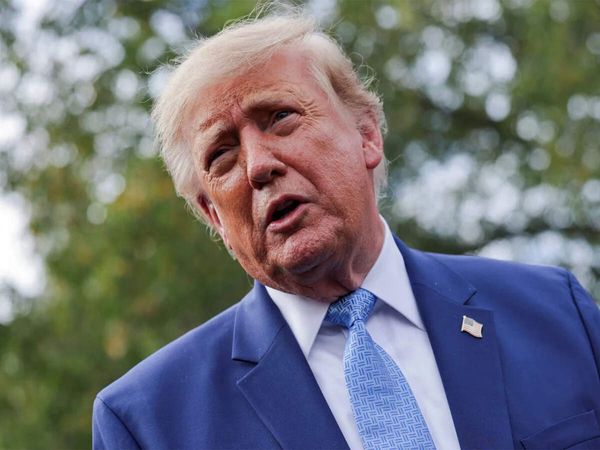
Also read: Trump’s ‘little war’ with Iran just got a lot bigger
When the 2026 war with Iran similarly knocked out 20% of global LNG supply, America’s booming fossil-fuel industry again promised to fill the gap.
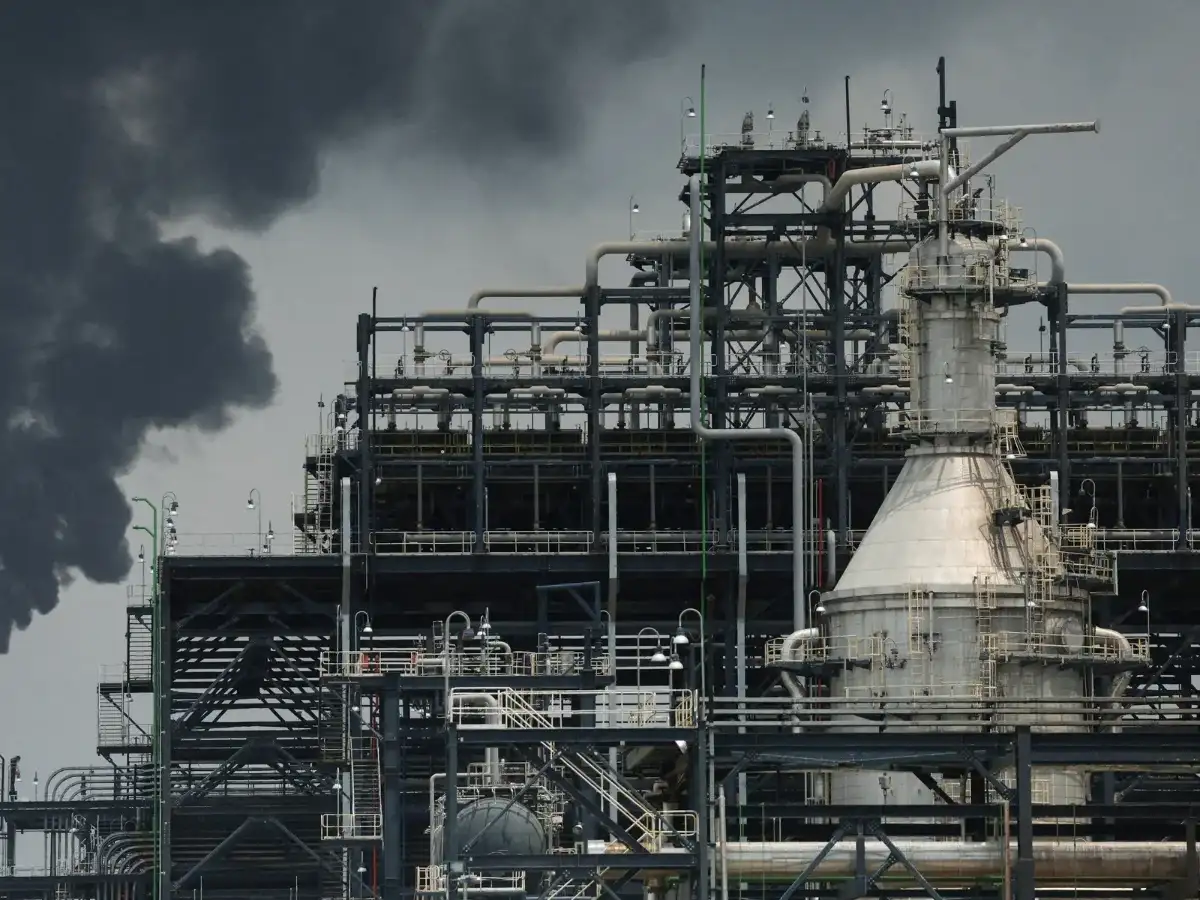
That confidence now seems shockingly naive. US natural gas prices have been caught in a perfect storm: Growth in shale output has been faltering. Season upon season of extreme weather has hit a power sector crippled by former President Donald Trump’s war on clean energy. Frontier AI labs, racing to beat a technological singularity they are warning is finally just months away, are sucking up fossil fuels to power data centers. Meanwhile, LNG terminals are allowing foreign buyers to compete directly with Americans habituated to rock-bottom prices.