Get all your news in one place.
100’s of premium titles.
One app.
Start reading
Euronews
Euronews
Evi Kiorri

How the EU protects citizens and the economy in times of war and crisis

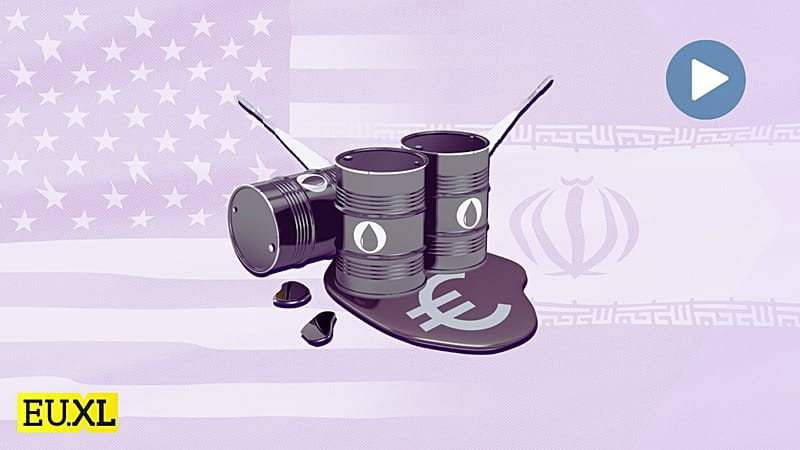
As the conflict between Israel, the US, and Iran escalates, the EU is implementing measures to protect its citizens and economies, including evacuation flights and management of oil reserves.

On March 6, EU foreign ministers warned that the conflict puts Europeans in the region at risk and could cause global economic problems. In response, they put Europe’s crisis plans into action.

To protect citizens, EU embassies have issued travel alerts, tracked nationals abroad, and organised evacuation flights. In severe scenarios, member states can request joint disaster-response support, sharing planes, medical teams and generators, coordinated around the clock from Brussels.

Disruption in the Strait of Hormuz, a key oil shipping route, has driven up global energy prices. The EU supports maritime surveillance to keep the route open. While member states are maintaining emergency oil reserves, they can cap energy prices or provide direct financial support to affected households.

Despite these measures, challenges remain. The EU lacks a unified system to control oil prices, member states largely manage their reserves independently, and there is no shared real-time data on fuel supplies.

Brussels cannot stop wars, but it does have some tools to limit the damage when they spill over.

Sign up to read this article
Read news from 100’s of titles, curated specifically for you.
Already a member? Sign in here
Related Stories
Top stories on inkl right now
One subscription that gives you access to news from hundreds of sites
Already a member? Sign in here
Our Picks
Fourteen days free
Download the app
One app. One membership.
100+ trusted global sources.