
The Amazon rainforest has been burning particularly intensely this year—so much so that the smoke from the fires obscures the last hours of daylight in São Paulo. While forest fires aren’t unusual in this heavily wooded region of Brazil, many of the fires this time were started intentionally, to clear the land for agricultural pastures. This is particularly worrisome when it comes to climate change. Forests serve an important ecological function as a carbon sink, with trees converting carbon dioxide into sugar that sustains their lives, and releasing oxygen, the element that sustains ours. With an ever-increasing amount of greenhouse gases in the atmosphere, forests are more important than ever.
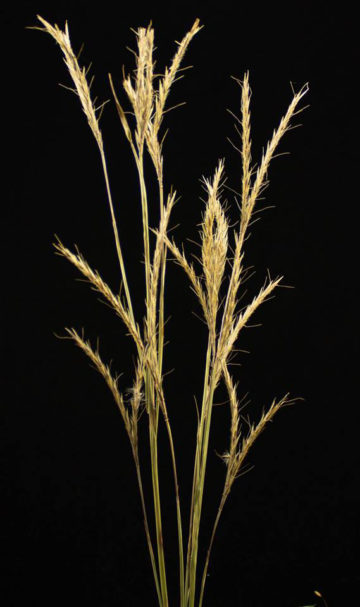
But thousands of miles away from the burning forests, most Texans are living, working, and driving on top of what used to be another very effective carbon sink: tall grass prairies. Miles of bluestem and Indian grass, switchgrass, and dropseed once covered 90 percent of the state, from the Panhandle to the Red River, down to the Gulf of Mexico.














