Orange County is located in Southern California, between Los Angeles and San Diego. It is known for its warm climate and busy roadways. This region sees steady traffic from residents, commuters, and visitors throughout the day. With so many vehicles on the road, car accidents are unfortunately common.
When serious crashes occur, people often seek help from an Orange County car accident lawyer to file a claim and obtain compensation for their losses. Many know that they can get economic and non-economic damages, but only a few know about punitive damages.
So what are punitive damages, and how can punitive damages lower the number of car accidents? Read on.
Understanding Punitive Damages
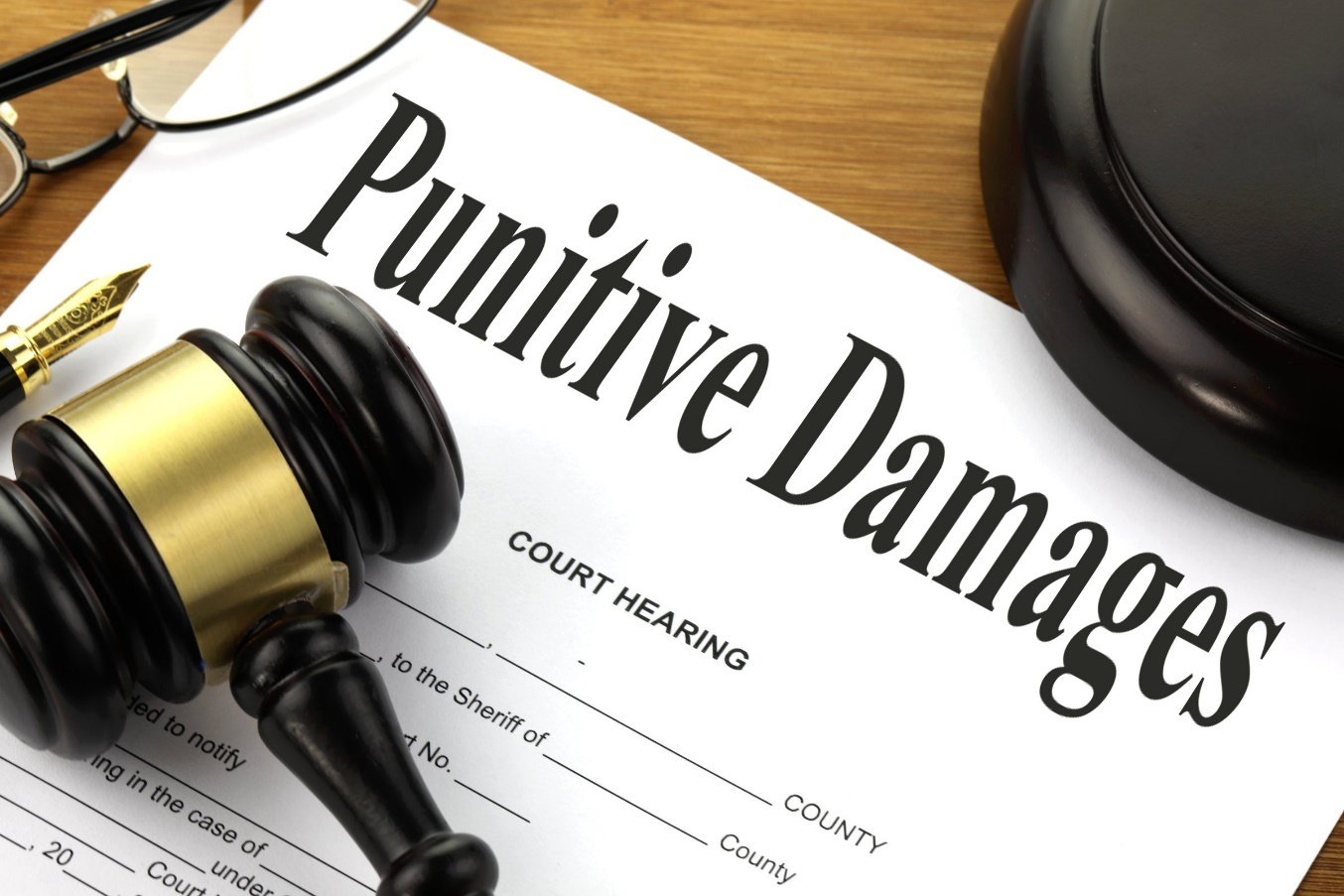
Punitive damages are monetary damages awarded by a court to punish a defendant for extremely reckless or intentional misconduct and to discourage similar behavior in the future.
Courts may consider punitive damages when a driver knowingly puts others at risk. Examples include driving under the influence, excessive speeding, street racing, aggressive road rage, or operating a vehicle despite known safety issues. These actions show a conscious disregard for the safety of others on the road.
Punitive damages, by imposing additional financial consequences, send a clear message that intentional misconduct is not acceptable.
Key Difference from Regular Damages
- Compensatory damages: pay the victim
- Punitive damages: punish the wrongdoer.
Not every car accident qualifies for punitive damages. Courts reserve them for cases involving especially dangerous or intentional conduct.
How Punitive Damages Reduce Car Accidents
Punitive damages are not just about punishment. Their broader goal is prevention. By increasing accountability for egregious behavior, they influence how drivers think and act on the road.
Deterrence Through Financial Consequences
One of the most effective ways punitive damages reduce car accidents is through deterrence. Punitive damages work on the human mind. The risk of facing a large financial judgment can discourage drivers from engaging in dangerous behaviors.
For example, drivers may think twice before driving under the influence, racing on public roads, or aggressively speeding through traffic. Unlike standard traffic tickets, punitive damages can have long-term financial effects, making this harmful behavior far less appealing.
This deterrent effect helps reduce repeat offenses and encourages safer driving habits across the community.
Promoting Accountability and Responsible Driving

Punitive damages reinforce the idea that driving is a responsibility, not a right. When drivers are held accountable for their unacceptable actions, it promotes a culture of responsibility on the road.
Drivers become more mindful of speed limits, traffic laws, and the dangers of distracted or impaired driving. Over time, this accountability contributes to fewer preventable accidents and safer roadways.
Insurance consequences also play a role. Drivers involved in cases with punitive damages may face higher premiums or loss of coverage, adding another reason to drive responsibly.
Reducing Repeat Offender Behavior
Repeat offenders pose a serious risk to public safety. Some drivers continue reckless behavior despite fines, warnings, or license suspensions.
Punitive damages increase the consequences for these individuals. The financial impact can be significant enough to force behavior changes, such as attending substance abuse programs, enrolling in defensive driving courses, or avoiding high-risk actions altogether.
By targeting repeat offenders, punitive damages help protect other drivers and reduce the likelihood of future accidents.
Encouraging Safer Corporate Practices
Punitive damages also influence businesses that operate vehicles, including delivery services and commercial fleets. When companies face potential liability for reckless driving, they are more likely to enforce safety standards.
This can lead to improved driver training, stricter hiring practices, routine vehicle maintenance, and closer monitoring of employee behavior. These measures help lower accident risks and improve road safety for everyone.
Legal Limits and Fair Application
As discussed, punitive damages are not awarded in every car accident case. Courts reserve them for situations involving extreme or intentional misconduct to ensure fairness.
This careful application preserves their effectiveness and prevents misuse. Ordinary driving mistakes typically do not qualify, ensuring that punitive damages remain a meaningful deterrent rather than an automatic penalty.
Long-Term Impact on Road Safety
Over time, punitive damages contribute to a broader culture of accountability. When reckless behavior carries serious consequences, it influences driver behavior beyond individual cases.
While punitive damages alone cannot eliminate car accidents, they work alongside traffic laws, enforcement, and public education to reduce dangerous driving. In high-traffic areas like Orange County, this legal tool can play an important role in improving overall road safety.
Final Thoughts
Just imagine a car driver making a malicious decision on a busy street. After causing an accident, the courts impose punitive damages that make the driver pause and reflect on their actions. This doesn’t just affect them; it sends a message to friends, family, and other drivers who hear about the case.
They begin to think twice before taking risks, understanding that dangerous choices carry real consequences. Over time, this ripple effect spreads through the community and encourages safer driving habits and helps make the roads a little safer for everyone. This is how punitive damages work.
Key Takeaways
- Punitive damages punish extreme and reckless driving behavior.
- They deter dangerous actions by increasing financial consequences.
- Accountability encourages safer driving habits.
- Repeat offenders face stronger pressure to change behavior.
- Businesses are motivated to improve vehicle safety standards.
- Punitive damages help reduce preventable car accidents over time.