
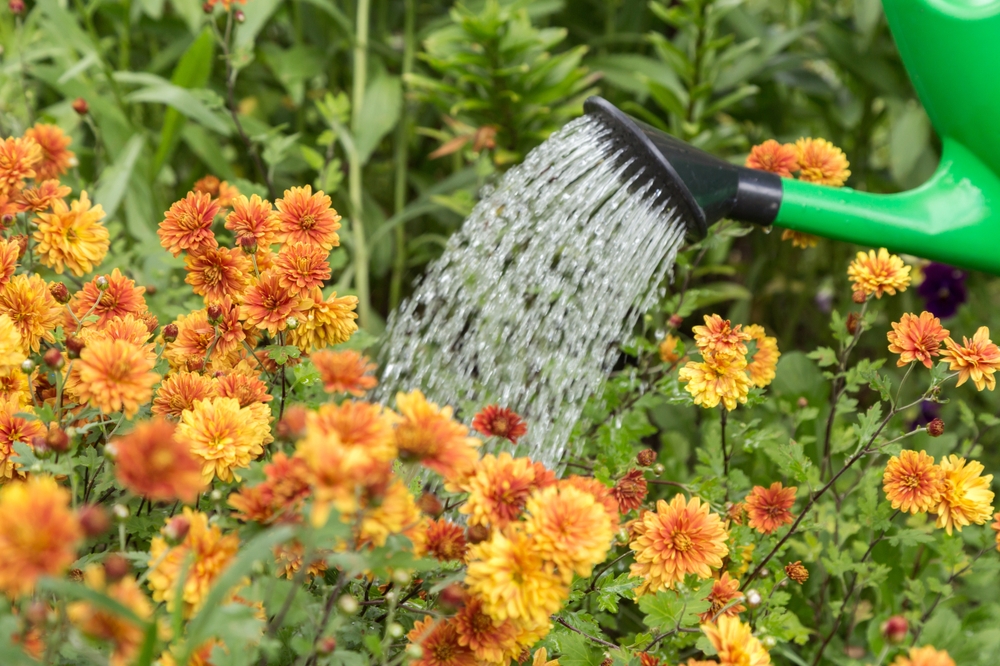
Late-summer heat can turn a perfectly reasonable garden into a collection of thirsty plants by lunchtime. The tricky part involves knowing how much water actually helps because a quick sprinkle across the soil can look productive while doing very little for the roots. During hot weather, most gardens need consistent moisture in the root zone, not an endless parade of shallow surface showers.
This matters even more when vegetables carry fruit, flowers keep opening, or newly planted perennials still settle into their surroundings. A tomato plant with drooping leaves may need water, but a plant can also droop temporarily during intense afternoon heat without suffering serious drought stress. The goal involves keeping soil moisture reasonably steady, checking what happens below the surface, and adjusting watering when weather conditions change.