
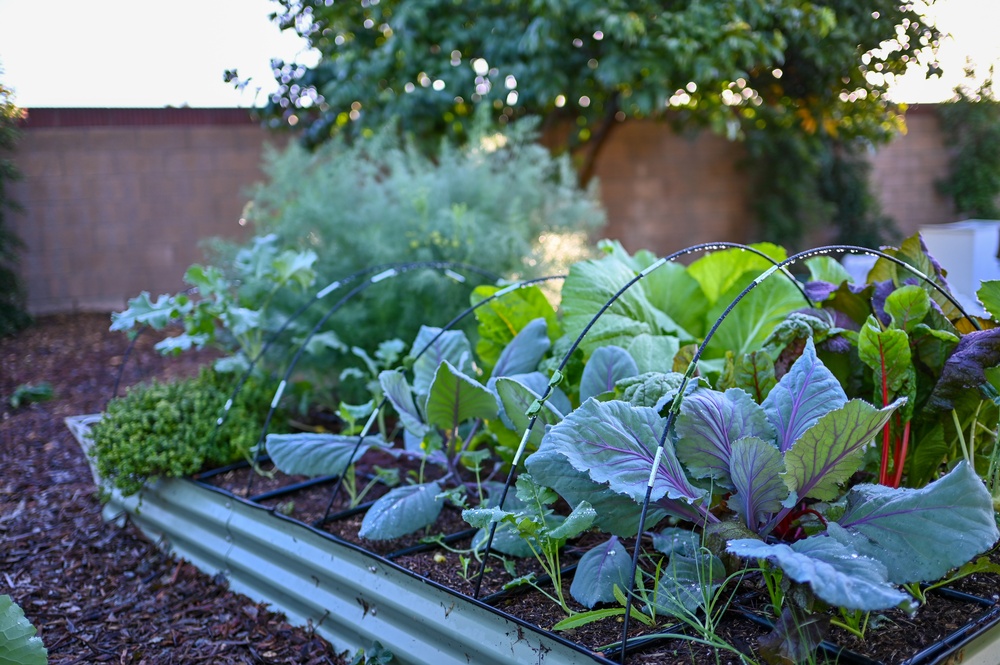
Food prices continue to push higher, and many households search for creative ways to stretch their grocery budgets. One solution keeps popping up in backyards, patios, balconies, and community garden plots across the country: growing food at home. A packet of seeds costs just a few dollars, while a single tomato at the grocery store might cost nearly as much. That math sounds pretty appealing.
Still, many new gardeners wonder whether homegrown produce actually saves money or simply creates a new hobby with its own expenses. The truth sits somewhere in the middle. Some gardeners harvest hundreds of dollars’ worth of food each season, while others spend more on supplies than they ever save. The key lies in choosing the right crops, managing costs, and setting realistic expectations from the start.

The Real Cost of Starting a Food Garden
Starting a food or vegetable garden requires some upfront spending, and those costs vary widely depending on the setup. A gardener with healthy soil and available yard space can spend very little, while someone building raised beds from scratch may invest several hundred dollars before planting a single seed. Seeds, seedlings, soil amendments, fertilizer, watering equipment, and garden tools all add to the initial bill. Many beginners also purchase decorative items that look attractive but contribute little to food production. A modest vegetable garden often costs between $50 and $300 to establish during the first season.
Those startup expenses sometimes discourage people when they compare garden costs to grocery store prices. However, many gardening investments last for years rather than one season. A quality shovel, garden fork, watering can, or raised bed continues producing value long after the first harvest. Experienced gardeners often save seeds, make compost, and propagate plants to reduce future costs. As a result, the second and third growing seasons usually deliver much better financial returns than the first.
Which Crops Deliver the Biggest Savings?
Not all vegetables offer the same financial payoff. Some crops cost very little at the grocery store, making them less attractive from a money-saving perspective. Potatoes, onions, and cabbage often fall into this category because stores sell them at relatively low prices year-round. Growing them can still feel rewarding, but the savings may remain modest.
Higher-value crops usually generate the biggest return on investment. Tomatoes, peppers, lettuce, herbs, cucumbers, green beans, and berries often cost significantly more at grocery stores and farmers’ markets. A single healthy tomato plant can produce 10 to 20 pounds of fruit during a growing season. Fresh herbs create especially impressive savings because grocery stores frequently charge several dollars for a small package. A few basil, parsley, or cilantro plants can provide months of harvests for a fraction of the retail cost.
What a Typical Garden Might Save in One Season
A realistic example helps put the numbers into perspective. Imagine a small backyard garden containing six tomato plants, a few pepper plants, several lettuce crops, herbs, cucumbers, and green beans. The gardener spends approximately $150 on supplies and plants during the first year. By the end of the season, that garden produces roughly $300 to $600 worth of fresh produce based on average grocery store prices.
In this scenario, savings range from modest to substantial depending on local food costs and harvest success. During future seasons, many startup expenses disappear because the gardener already owns tools and infrastructure. Annual costs might drop to $30 or $50 for seeds, compost, and fertilizer. If production remains similar, the garden could easily generate several hundred dollars in net savings each year. The exact amount varies by climate, gardening skill, crop selection, and growing conditions, but many dedicated gardeners report meaningful reductions in their produce bills.
The Hidden Factors That Affect Your Savings
Time plays a major role in the economics of gardening. Some people view gardening as an enjoyable hobby and value every minute spent outdoors. Others focus strictly on financial returns and wonder whether those hours could produce more income elsewhere. The answer depends entirely on personal goals and lifestyle preferences. Gardening offers benefits that extend far beyond the grocery budget.
Weather also influences results in ways gardeners cannot fully control. Heavy rain, drought, insects, plant diseases, and wildlife sometimes reduce harvests. A tomato crop that looks promising in June can encounter problems by August. Successful gardeners accept occasional setbacks and focus on long-term results rather than a single season. Diversifying crops helps reduce risk and increases the chances of bringing home plenty of fresh produce despite unexpected challenges.
Beyond Dollars: The Benefits You Can’t Put a Price On
Many gardeners start with the goal of saving money but quickly discover additional rewards. Fresh-picked produce often tastes dramatically better than store-bought alternatives that traveled hundreds or thousands of miles before reaching shelves. A homegrown tomato picked at peak ripeness delivers a flavor experience that many grocery store varieties simply cannot match.
Gardening also encourages healthier eating habits. When lettuce, peppers, beans, and herbs grow just steps from the kitchen, people often incorporate more vegetables into daily meals. Families with children frequently find that kids become more interested in eating vegetables after helping grow them. The physical activity, stress relief, and connection to nature add even more value. While these benefits do not appear on a financial spreadsheet, they contribute significantly to the overall return on investment.
The Smartest Way to Maximize Garden Savings
Gardeners who focus on savings should start small and expand gradually. A few containers of tomatoes, herbs, and lettuce often produce better financial results than a large, complicated garden that becomes difficult to manage. Choosing crops that the household actually eats prevents waste and ensures that harvests replace grocery purchases rather than supplement them.
Keeping costs under control matters just as much as growing productive plants. Reusing containers, making compost, saving seeds, and sharing resources with other gardeners all help increase savings over time. Many experienced gardeners treat gardening as a long-term project rather than a one-season experiment. With patience and smart planning, a food garden can become a reliable source of fresh produce and meaningful grocery savings year after year.
A Garden That Pays Back More Than Expected
Growing food at home will not eliminate grocery bills, and it will not make every gardener rich. However, a well-planned vegetable garden can absolutely reduce food costs while delivering fresher produce, healthier meals, and an enjoyable hobby. For many households, annual savings range from a few hundred dollars to much more once startup expenses fade into the background.
What crops have delivered the biggest savings in your garden, or are you considering starting a food garden this year? Share your thoughts and experiences in the comments!
You May Also Like…
10 Vegetables That Produce the Most Food for the Least Money
10 Vegetables That Practically Grow Themselves
Never Overcrowd Again: The Simple Guide to Spacing Your Vegetables for Bigger Harvests
The Dollar Store Gardening Finds That Actually Work
5 Budget-Friendly Gardening Tips That Actually Work
The post How Much Money Can You Really Save Growing Your Own Food? appeared first on Frugal Gardening.