Get all your news in one place.
100's of premium titles.
One app.
Start reading
The Conversation
The Conversation
Deborah Fuller, Professor of Microbiology, School of Medicine, University of Washington

How mRNA and DNA vaccines could soon treat cancers, HIV, autoimmune disorders and genetic diseases

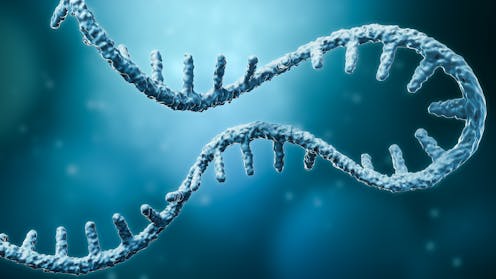
Nucleic acid vaccines use mRNA to give cells instructions on how to produce a desired protein. Libre de Droit/iStock via Getty Images

The two most successful coronavirus vaccines developed in the U.S. – the Pfizer and Moderna vaccines – are both mRNA vaccines. The idea of using genetic material to produce an immune response has opened up a world of research and potential medical uses far out of reach of traditional vaccines. Deborah Fuller is a microbiologist at the University of Washington who has been studying genetic vaccines for more than 20 years. We spoke to her about the future of mRNA vaccines for The Conversation Weekly podcast.

Below are excerpts from that conversation which have been edited for length and clarity.

Sign up to read this article
Read news from 100's of titles, curated specifically for you.
Already a member? Sign in here
Related Stories
Top stories on inkl right now
One subscription that gives you access to news from hundreds of sites
Already a member? Sign in here
Our Picks
Fourteen days free
Download the app
One app. One membership.
100+ trusted global sources.