The Language That Outlived Its Origin
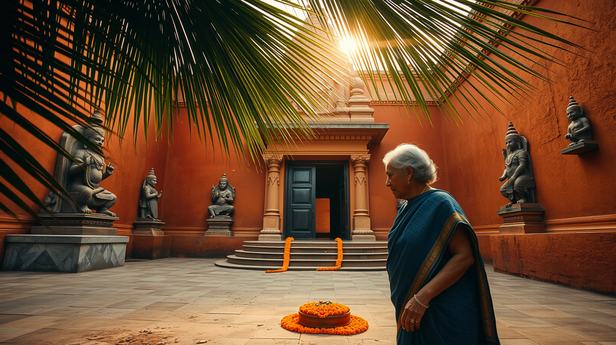
You hear it at the market in Port Louis before you see the stall. A woman bargaining over bitter gourd, her cadence rising and falling in Bhojpuri, not the clipped, television-inflected version that survives in pockets of eastern Uttar Pradesh and Bihar, but something older, more complete. A Bhojpuri that carries grammatical structures linguists say have eroded on the subcontinent over the last century. Mauritius received the language in the 1830s and 1840s, when the British colonial administration began shipping indentured labourers from the Gangetic plains to replace the newly emancipated enslaved workforce on the sugarcane estates. The people who arrived brought nothing the colonial system valued. They brought everything else: songs, the names of their gods, the particular way their tongue shaped a vowel.