At the end of the 19th century, long before starting to speak, Pablo Ruiz Picasso (1881-1973) was already drawing – and he grew up “capturing” everything he saw with a pencil.
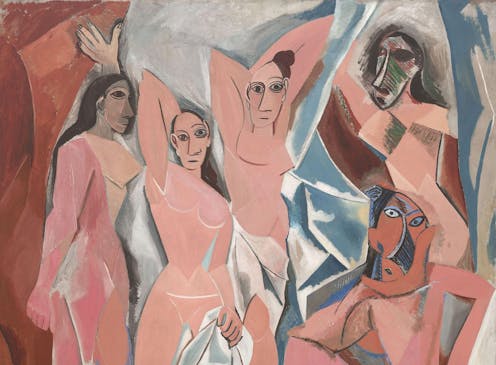
Through several of the drawings and sketches in pencil made by the young man from Malaga during his formative years in A Coruña (1891-1895), in the North of Spain, we can see clear foreshadowing of what became a revolution that spanned the arts, the limits of perception, communication and expression. The young Picasso’s work was an early form of cubism, an artistic and stylistic movement that officially began in 1907 with the famous painting Les Demoiselles d'Avignon (The Young Ladies of Avignon – in reference to an old and well-known street in Barcelona with brothels), painted by Picasso.