
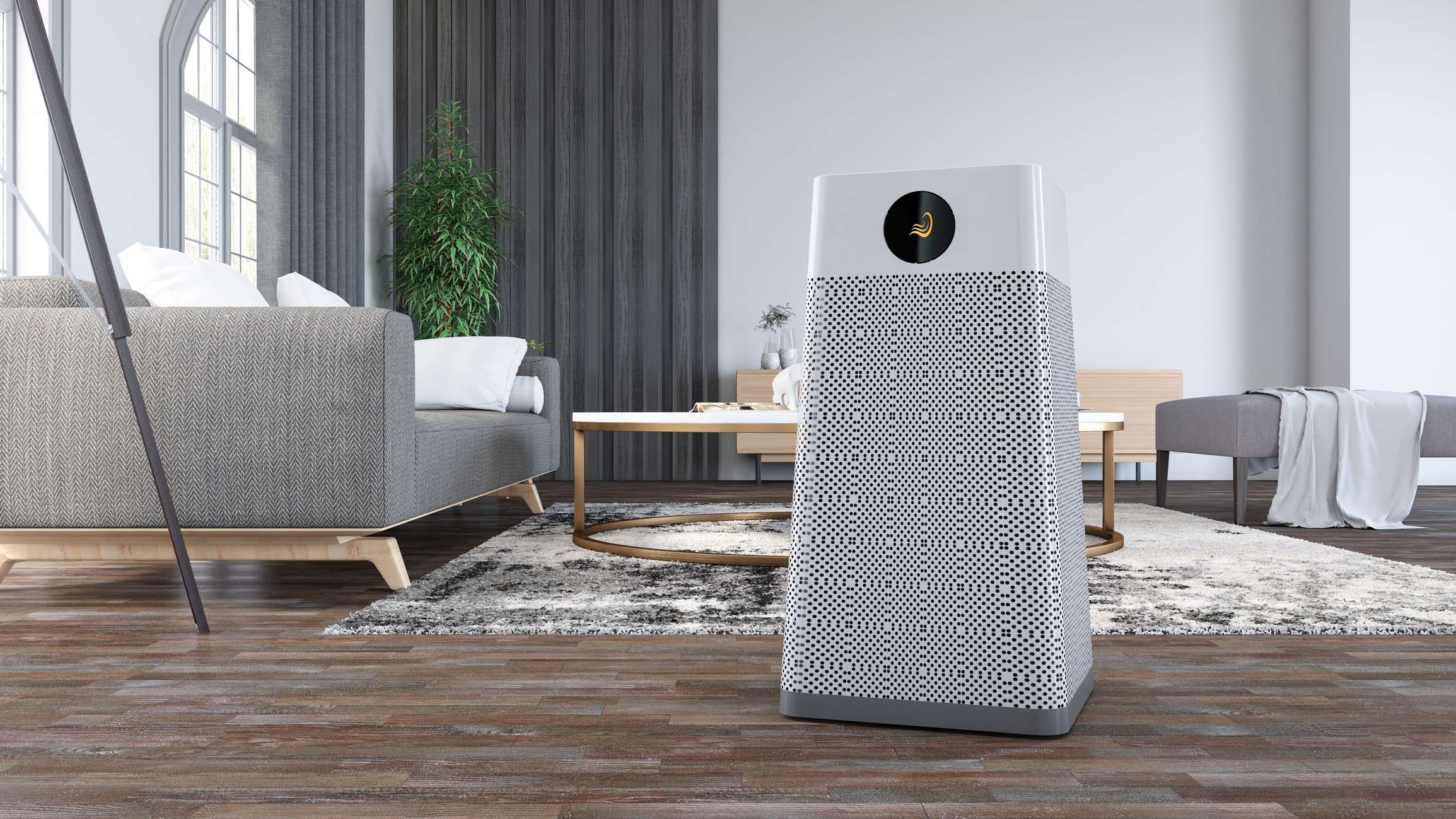
Domestic air purifiers are becoming increasingly popular — and for good reason. Indoor air can have up to five times higher levels of pollutants than the air outdoors, according to the U.S. Environmental Protection Agency. Investing in a device that removes dust, allergens, harmful chemicals and other unwanted airborne particles seems like a no-brainer. But exactly how do air purifiers work?
Most air purifiers have a relatively simple setup: a fan that sucks in air, and one or more filters. These filters — usually made from paper, fibers such as fiberglass, or a mesh — capture particles as air passes over them, before the clean air is recirculated into the living space. However, all air purifiers are not created equal.












