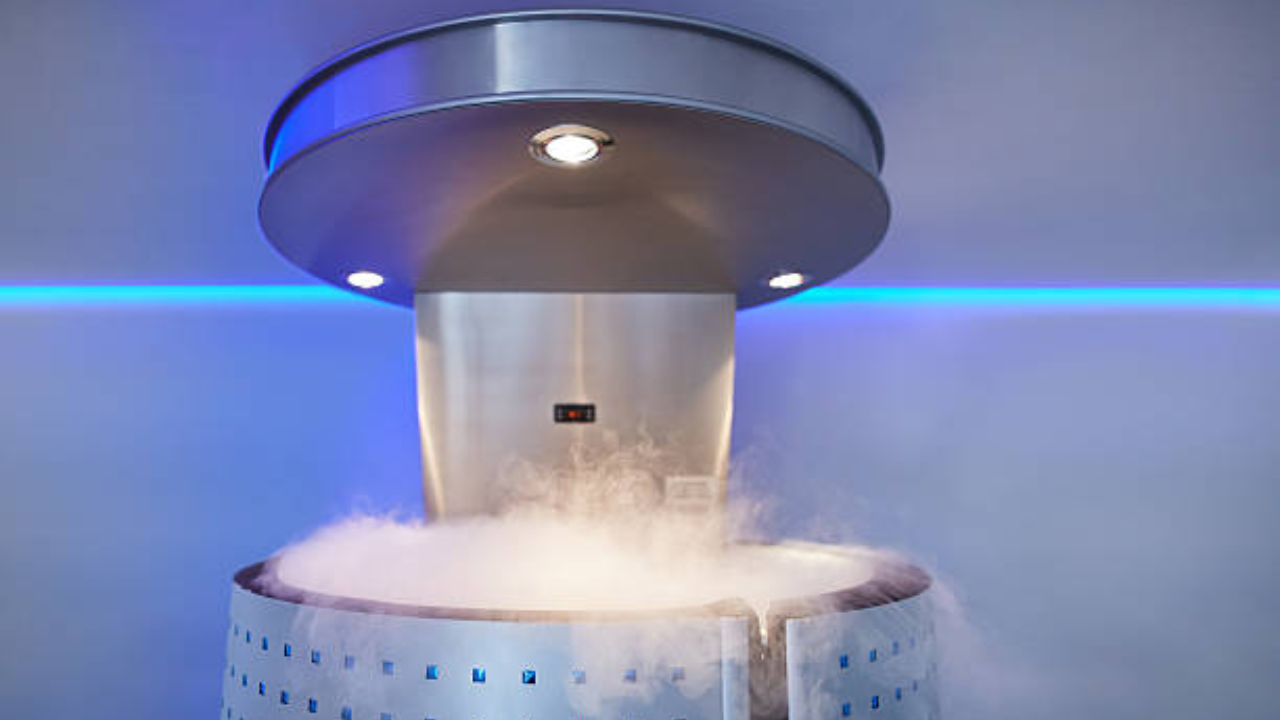
Cryotherapy, a treatment involving exposure to extremely cold temperatures, has gained attention not only for its physical health benefits but also for its potential in stress management and mental well-being. This therapy, often used in various forms like whole-body cryotherapy (WBC) or localized cryotherapy, utilizes temperatures ranging from -100°C to -160°C to elicit physiological responses that can positively impact stress levels and overall mental health.
Understanding the mechanisms behind cryotherapy's effects on stress management involves examining its impact on the nervous system and hormonal balance. When the body is exposed to cold temperatures during cryotherapy, it triggers a response from the autonomic nervous system (ANS). The ANS regulates involuntary bodily functions, including stress responses mediated by the sympathetic and parasympathetic branches. Cold exposure stimulates the sympathetic nervous system, leading to increased release of norepinephrine and adrenaline, hormones associated with the body's "fight-or-flight" response. This activation can temporarily boost alertness and mood, providing a natural counter to stress and fatigue.