Get all your news in one place.
100's of premium titles.
One app.
Start reading
The National (Scotland)
National
[email protected] | Hannah Emma Shedden

How could Scottish pensioners could be affected by Burnham's triple lock shake-up?

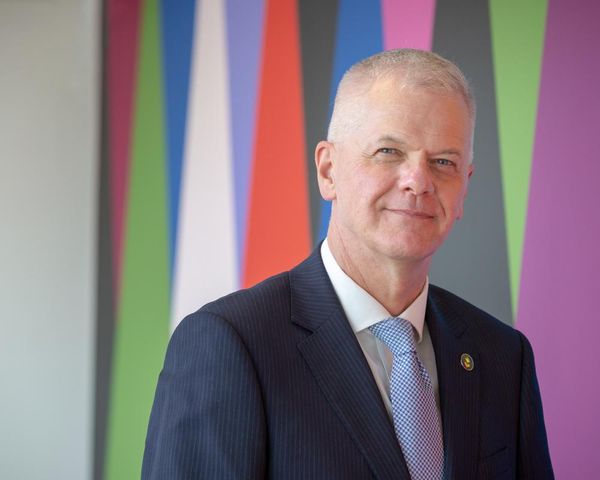
How could the proposals affect older Scottish people? (Image: PA)

WHAT is the triple lock, how does it affect Scotland, and why is Burnham using it to fund an English care service?

At the Labour Party Conference on Tuesday, the prime minister announced his intention to make changes to the triple lock, saying it would be scrapped in its current form to partly fund a National Care Service.
But this is despite Scotland already offering free personal care through its devolved system.

What actually is the triple lock? And what are Burnham's plans?

The triple lock is the system used to determine annual state pension increases. Each April, the pension rises by whichever is highest: inflation, average earnings growth, or 2.5%.

This year, the pension will increase in line with the average wage growth, which was the highest of the three, at 4.3% and will pay out £241.30 a week.

The cost of providing the pension over the next year is estimated at £154 billion, making it the most costly benefit in the UK.

The UK Government says replacing the current system with an "adjusted triple lock" could generate an extra £15bn a year by 2040 to help fund its proposed National Care Service.

Under the plan, the state pension would rise in line with inflation or 2.5% from 2030, breaking the triple lock’s automatic link with increases in average earnings.

But officials insist it could rise by more than this if needed in some years, to ensure it holds its value relative to earnings.

How will this affect Scotland?

If the UK Government changes or weakens the triple lock, the change would apply to Scottish pensioners because the state pension is reserved to Westminster, not devolved to Holyrood.

And under the reforms, Scottish pensioners could see lower future pension increases despite Scotland already having its own system of free personal care.

While Burnham has hailed the proposal as "a landmark policy", social care is already devolved, and Scotland has offered free personal care since 2002.

How do Burnham's social care plans compare to Scotland?

Burnham wants to create a service that is "free at the point of need", funded in part through changes to the triple lock.

The proposal is comparable to Scotland's system of free personal care, which has been in place since 2002. Currently, in Scotland, eligible older people do not pay for personal care services such as washing, dressing and help with everyday tasks.

Ministers at Holyrood have also pursued plans for a fully-fledged National Care Service, although proposals for the reform have faced delays and political opposition.

What has been the reaction to this announcement?

First Minister John Swinney said Burnham's plans were "a bad idea".

He argued that Scotland already provided personal care for older people "without punishing pensioners," while SNP deputy leader Keith Brown called on the Scottish Labour leader to "come clean" on where he stands on the triple lock policy.

Meanwhile, the Conservatives and Reform have both restated their support for the pension triple lock and criticised the news.

Not specifically addressing the proposal, Scottish Labour, Michael Marra said: "Andy is right to have honest conversations about the difficult issues and not avoid them like politicians usually do.

"We have the courage to fix the big problem and have people's backs."

Then in an interview on the BBC's Newsnight programme, Unite general secretary Sharon Graham criticised the plans, arguing Burnham should instead be focused on taxing the super rich.

Graham said: "I do think that going to the pensioners, pulling that lever of breaking the triple lock, I do think that is a difficulty because I don't think that is the place that you should go.

"I would have liked to have heard before we do anything on the triple lock, what we're going to do about the super rich and the wealth tax in Britain.

"The richest 50 families are worth £500 billion - pensioners get £12,500 a year. They're not the super rich, so I hope it's sealed until 2030, it's there until 2030.

"I hope more discussions can be had."

Sign up to read this article
Read news from 100's of titles, curated specifically for you.
Already a member? Sign in here
Related Stories
Top stories on inkl right now
One subscription that gives you access to news from hundreds of sites
Already a member? Sign in here
Our Picks
Fourteen days free
Download the app
One app. One membership.
100+ trusted global sources.