The Temple as an Economic Institution
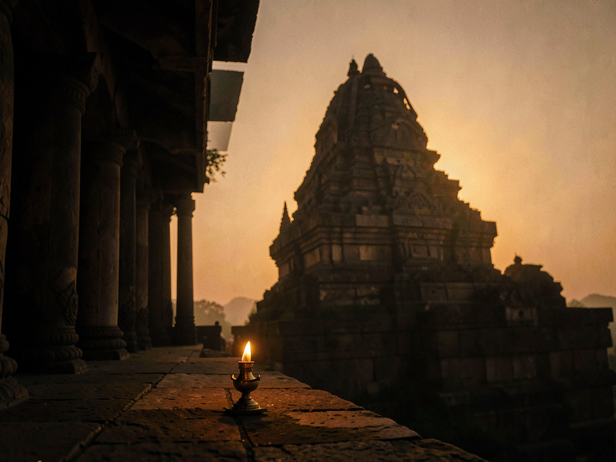
Before the British reorganised the subcontinent's revenue systems, a major temple was not primarily a place of prayer. It was a redistributive engine. Endowments called devadaya or devasthanam lands, granted by rulers, merchants, and local chieftains across dynasties from the Cholas to the Vijayanagara empire, funded everything the temple touched: the daily ritual cycle, the feeding of pilgrims, the maintenance of water tanks, the payment of hereditary servants, the sponsorship of dance, music, and scholarship. The Brihadeeswara temple at Thanjavur, built by Raja Raja Chola I and consecrated in 1010 CE, administered land grants across dozens of villages. The temple did not receive charity. It generated, managed, and redistributed wealth as a matter of constitutional function.