Get all your news in one place.
100's of premium titles.
One app.
Start reading
The Conversation
The Conversation
Lifestyle
Kate Dossett, Professor of American History, University of Leeds

How British theatre censorship laws have inadvertently created a rich archive of Black history

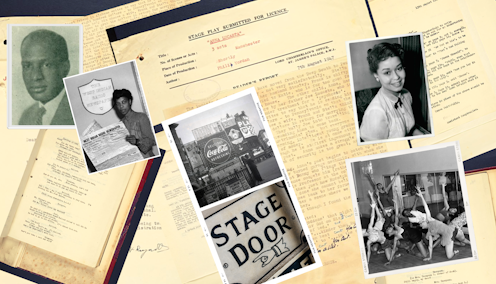
Readers reports, scripts and selected photographs. From top left Garland Anderson, Una Marson and Isabel Cooley who appeared in the ethnic Players Theatre Guild productions of Anna Lucasta. Alamy/Fair Use/Creative Commons

In an age of so-called “cancel culture” it’s important to remember that for much of British history it was the state, not the masses, who censored the work of artists.

Between 1737 and 1968 British theatre censorship laws required theatre managers to submit new plays intended for the professional stage to the Lord Chamberlain’s Office for examination and licensing. This was necessary under the Stage Licensing Act of 1737 and the Theatres Act of 1843.

Sign up to read this article
Read news from 100's of titles, curated specifically for you.
Already a member? Sign in here
Related Stories
Top stories on inkl right now
One subscription that gives you access to news from hundreds of sites
Already a member? Sign in here
Our Picks
Fourteen days free
Download the app
One app. One membership.
100+ trusted global sources.