
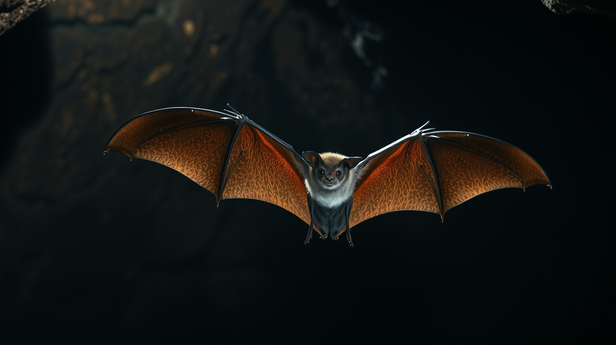
The Call Is a Weapon, Not Just a Map
The greater horseshoe bat (Rhinolophus ferrumequinum) emits calls at a precise 83 kHz and adjusts that frequency in real time as it closes in on a moth, compensating for the Doppler shift its own flight speed creates, the way a radar operator corrects for a moving target. This is not passive sensing. The bat is actively shaping sound into a hunting instrument, tuning its output pulse by pulse until the returning echo carries the exact information it needs: the flutter rate of the moth's wingbeats, which identifies the insect species before contact.












