The United States and Iran are once again caught in a dangerous military confrontation. The hostility between the two countries did not begin with the latest strikes and goes back long. For decades, Washington and Tehran have been locked in a bitter rivalry shaped by political distrust, regional conflicts and a history of foreign intervention.
Get breaking news anytime, anywhere. Download the TOI app now!
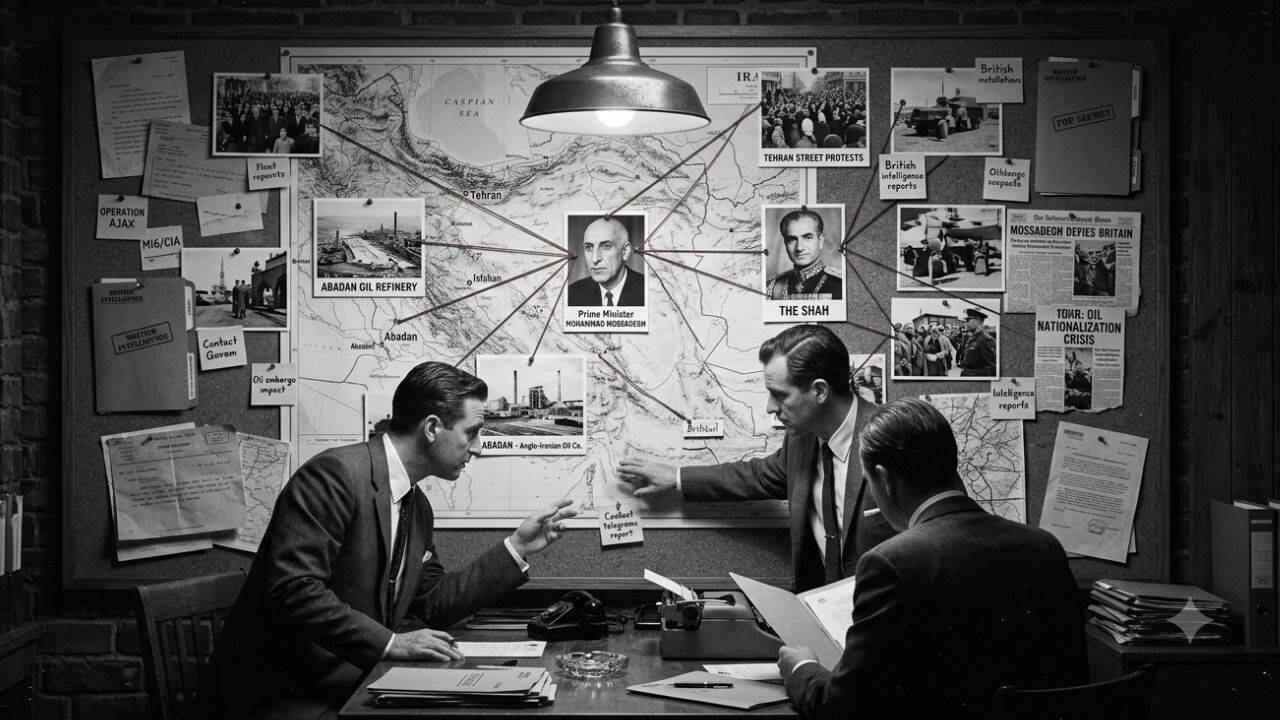
More than 70 years ago, the CIA helped organise a secret operation that removed Iran’s elected Prime Minister Mohammad Mossadegh and strengthened the rule of Shah Mohammad Reza Pahlavi.
That operation, known as Operation Ajax, became one of the earliest major examples of a US-backed regime change effort. While Washington viewed it as a Cold War victory at the time, its consequences shaped Iran’s politics for generations and contributed to the deep mistrust between the two countries.
The events of 1953 shaped Iran’s future, contributed to the rise of opposition against the Shah and became one of the reasons behind the mistrust that defines US-Iran relations today.
Oil dispute triggered crisis
The roots of the 1953 crisis went back to Iran’s oil industry. For decades, Britain had controlled a major part of Iran’s oil resources through the Anglo-Iranian Oil Company, which was one of Britain’s most important overseas assets. Many Iranians believed their country was not receiving a fair share of its natural wealth.
In 1951, Mohammad Mossadegh became the prime minister of Iran after gaining popularity through his nationalist policies. Soon after taking office, he moved to nationalise Iran’s oil industry, bringing it under Iranian control. The decision angered Britain, which depended heavily on the oil company.
Britain responded with economic pressure, including sanctions and restrictions on Iranian oil exports. British ships blocked access around the oil facilities at Abadan, one of Iran’s main oil centres. The impact was severe. Iran’s oil production fell sharply, the economy suffered and unemployment increased, Roosevelt Institute of American Study writes.