
Get all your news in one place.
100's of premium titles.
One app.
Start reading
The Conversation
The Conversation
Raúl Rivas González, Catedrático de Microbiología. Miembro de la Sociedad Española de Microbiología., Universidad de Salamanca

How a microbial infestation in Ireland gave us the modern day jack-o’-lantern

Bogdan Sonjachnyj/Shutterstock

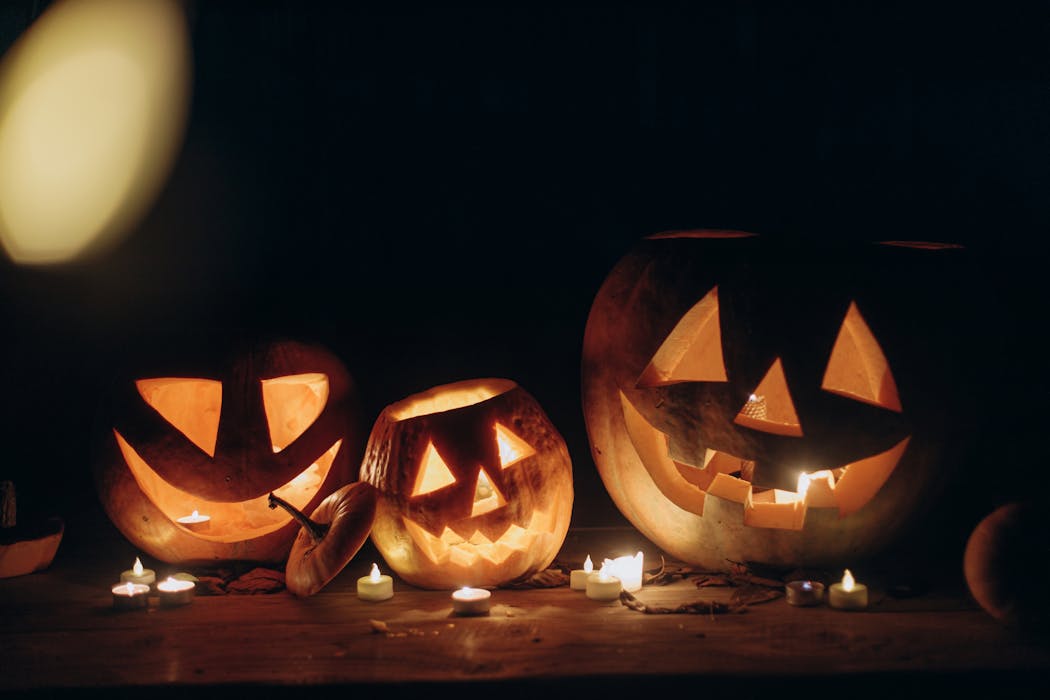
The greatest symbol of Halloween is, beyond a doubt, the jack-o’-lantern: a pumpkin with its innards scooped out, a grotesque, smiling face carved into it, and a candle inside. Its flickering light casts ghostly shadows and brings the carved face to life, enhancing the holiday’s distinctive air of mystery and festivity.

The type of pumpkin most commonly used for Halloween is Cucurbita pepo, typically the Connecticut field or Jack O'Lantern varieties, whose colour, rounded shape and tough rind make them ideal for carving. But pumpkins were not always used for this tradition. In the beginning, other vegetables were carved. Specifically, turnips.

Sign up to read this article
Read news from 100's of titles, curated specifically for you.
Already a member? Sign in here
Related Stories
Top stories on inkl right now
One subscription that gives you access to news from hundreds of sites
Already a member? Sign in here
Our Picks
Fourteen days free
Download the app
One app. One membership.
100+ trusted global sources.




