Europe continues to grapple with a persistent heatwave, with temperatures soaring to 40 degrees Celsius and above.
Scientists have confirmed it is the worst recorded in Europe, and the blistering conditions have disrupted everything from power generation to transport, via healthcare systems and infrastructure.
Clearly health matters are of paramount importance during these extreme weather conditions, but some everyday concerns are gaining traction online - like the protection of vinyl records.
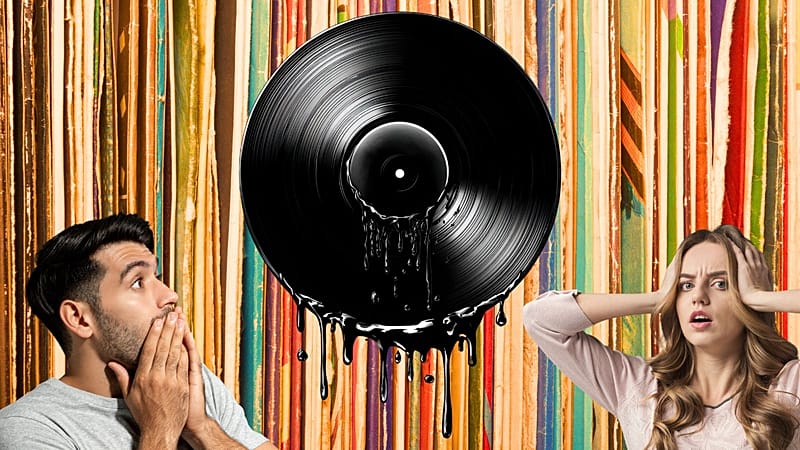
Indeed, music lovers on social media are expressing fears that their precious vinyl collections could be damaged by the heat.
How worried should collectors be, and can records suffer permanent damage from extreme heat? Let's put some fears to bed.
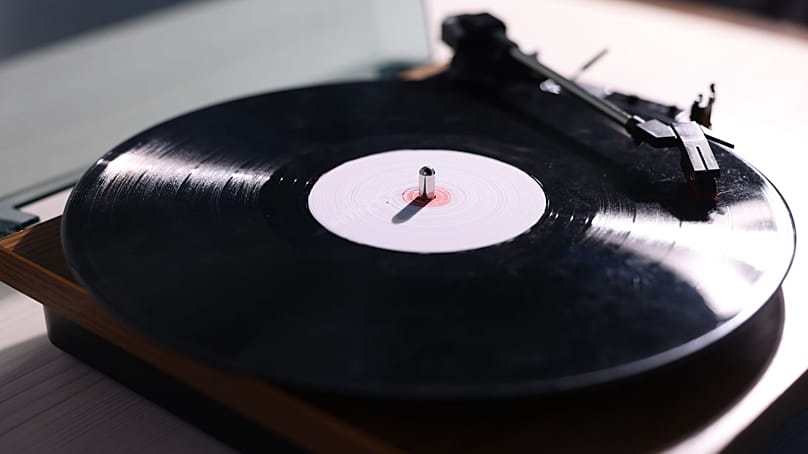
Vinyl records are made from polyvinyl chloride (PVC), a type of plastic known for its durability and which has a relatievly low melting point.
It’s true that excessive heat and sunlight exposure can impact the resilience of a record, and ideally, the ideal storage temperature is between 18-21°C. However, the risk of damage is still low at the 30-degree mark.
That risk of ruining a groove does increase between 35 and 45°C, and many may find that vinyls can begin to warp – ie: seem more flexible and bendy than usual.
Proper damage occurs between 50 and 60°C. When vinyls are subjected to those temperatures, warping is borderline inevitable and leads to skipping - and in some cases, complete unplayability.
So, how do you protect your records during a heatwave?
By following our five-step guide, that's how.
Step 1) Don’t panic. Vinyls melt at temperatures exceeding 100°C, so there’s no risk of you coming home to a PVC puddle any time soon.
Step 2) No direct sunlight and plenty of shade.
Step 3) Keep your records upright, not stacked on top of each other, which can result in deterioration.
Step 4) Protective sleeves are always a good idea, and try and avoid storing your collection in attics or basements, where temperatures fluctuate.
Step 5) This may be the most crucial one. Whatever you do, don’t put your records in the fridge, like some social media users are recommending. Damp is poison for records and their sleeves, and any temperature shock will lead to warping, cracking and mold.
There you have it. And while you’re protecting your cultural treasures, keep in mind that step two applies to you too. Stay safe out there.